

Market data show that in 2024, the global wood-plastic composite material market size reached 41.54 billion yuan, and the Chinese market size was 9.92 billion yuan. It is expected that by 2030, the global market size will soar to 71.273 billion yuan, with a compound annual growth rate of 9.41%. Among them, PE WPC, as an important branch, has a strong growth momentum. It is mainly composed of polyethylene and wood fiber, making full use of recycled plastics and waste wood fiber, greatly reducing the dependence on new resources and conforming to the current green development concept.
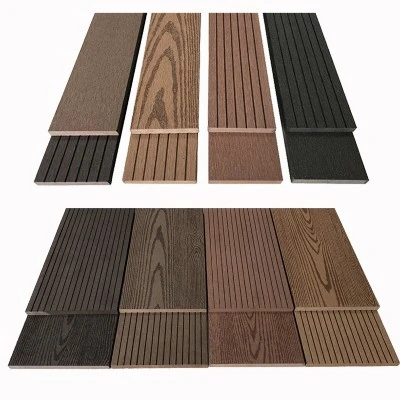
In terms of performance, PE WPC is moisture-proof, pest-resistant, and has excellent UV resistance. It does not fade or deform easily even after long-term outdoor use, and its durability far exceeds that of traditional wood, effectively reducing maintenance costs. This makes it widely used in home decoration, construction, and landscape architecture. In home decoration, PE WPC flooring, skirting boards and other products are easy to install and look natural; in construction, it is often used for exterior wall decoration, landscape facilities, etc., to enhance the overall quality of the building.
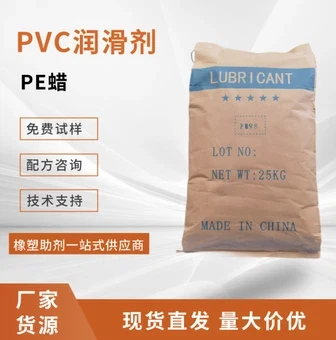
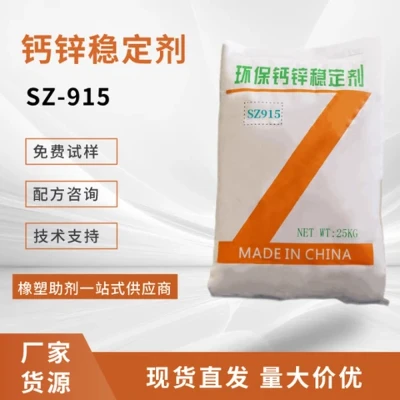
Innovation in technology is also continuously driving the development of PE WPC. Recently, some companies have developed new production processes, further enhancing the material's performance and production efficiency. At the same time, some scientific research teams are committed to optimizing formulations, enhancing the toughness and strength of the material, and expanding its application scenarios. Industry experts believe that in the future, PE WPC is expected to achieve new breakthroughs in automotive interiors, logistics packaging, and other fields, bringing more development possibilities to related industries, and continuously leading the innovation and transformation of materials.


