

PVC Stabilizer
Yancheng Zhongmai Rubber & Plastic Material Co., LTD., is a professional manufacturer for AC/NC foaming agent and WPC processing additives. The company is committed to research & development, production, sales as one. In 2017, the company newly developed ammonia-free blowing agent, it is widely used in WPC and leather industry, has been sold all over the country, exported to Turkey and other European and American countries,and wins a good reputation.

Why Choose Us?
01
High quality
Our main product is stabilizer, acrylic impact modifier agent, PVC processing aid, PVC foaming regulator, foaming agent, lubricant and other new tech chemical additives.
02
Rich experience
We are a professional manufacturer for AC/NC foaming agent and WPC processing additives with has more than 7 years of production work experience,
03
Advanced equipment
With the idea of intelligent production, scientific research and innovation, we introduce fully automatic environmental protection, efficient and energy-saving production lines.
04
Good service
We can provide production formula,free technology supporting for production,free sample,production cost budget, product customized OEM,and worker training service,etc.


What is PVC Stabilizer?
PVC stabilizers are additives that are added to PVC formulations to improve their stability and prevent degradation. PVC stabilizers work by interacting with the PVC molecules, preventing them from breaking down or reacting with other substances. This helps to maintain the properties of the PVC, such as its strength, flexibility, and color, over time.
Benefits of PVC Stabilizer
Increased thermal stability
PVC stabilizers, particularly heat stabilizers, confer increased thermal stability to PVC products. By preventing the detrimental effects of high temperatures, these stabilizers guarantee the material retains its structural integrity and mechanical properties even under challenging circumstances. This is especially vital for uses subjected to high temperatures, such as automotive parts and electrical insulation.
Enhanced UV resistance
UV stabilizers added to PVC formulations serve as a protective barrier against the detrimental effects of ultraviolet (UV) radiation, a leading cause of PVC degradation.
This advantage holds particular importance for outdoor uses, including PVC pipes, window profiles, and outdoor furniture, where prolonged exposure to sunlight can lead to color fading, embrittlement, and overall deterioration.
Extended service life
Incorporating stabilizers substantially prolongs the durability of PVC goods by counteracting degradation mechanisms triggered by heat, light, and environmental elements.
These stabilizers effectively increase the lifespan of PVC-based materials, thereby improving product performance and lessening the need for frequent replacements, making it a cost-effective solution for manufacturers and end-users alike.
Versatility in applications
The diverse types of PVC additives available cater to a wide range of applications and industry needs. Whether it’s the demanding requirements of the construction sector, the stringent standards of the automotive industry, or the unique challenges posed by outdoor applications, PVC stabilizers can be tailored to meet specific performance criteria. This versatility makes PVC a material of choice across various sectors.
Environmental impact
Certain modern PVC stabilizers have been designed to be eco-friendly, aiming to mitigate the ecological footprint associated with PVC goods. The advancement of lead-free and cadmium-free stabilizers demonstrates a dedication to sustainability, ensuring that PVC remains a viable and responsible choice in manufacturing practices.
Types of PVC Stabilizer
Lead PVC stabilizers
Lead Stabilizers or One-Pack Stabilizers are the most common types of PVC stabilizers that use lead compounds like lead oxide and lead stearate to add to the PVC material and make it more robust.
Tin PVC stabilizers
Tin stabilizer is made of tin stearate and is used in flexible PVC applications due to its superior flexibility and low-temperature performance.
Calcium-Zinc PVC stabilizers
These PVC stabilizers are made with a combination of calcium and zinc compounds, like calcium zinc stearate, and are used for flexible and rigid PVC applications. Calcium Zinc Stabilizers are one of the most common applications of PVC.
Mix metal solid & liquid stabilizer
Mixed metal stabilizers are formulated using high-purity raw materials and combinations of compounds like Barium, Cadmium, Lead, and other chemicals. These are generally used for building flexible pipes and leather clothing.
Application of PVC Stabilizer
Food packaging:
PVC stabilizers are crucial in food packaging applications. Some specially designed Calcium zinc stabilizers are employed to ensure the safety and longevity of food products. These stabilizers from PVC manufacturers protect PVC packaging from degradation caused by light exposure, heat, and oxidation, preserving the quality and freshness of the packaged food.
Medical equipment:
PVC is extensively used in medical equipment due to its excellent transparency, flexibility, and resistance to sterilization techniques. Stabilizers play a vital role in maintaining the properties of PVC medical devices, such as medical tubing, blood bags, and oxygen mask. Stabilizers like Calcium zinc-based provide the necessary heat stability and ensure the biocompatibility of PVC in contact with human tissues.
Wires and cables:
The electrical industry heavily relies on PVC for its insulation properties. PVC stabilizers help maintain the mechanical and electrical performance of PVC-insulated wires and cables. Stabilizers like lead and Calcium zinc-based enhance heat stability, reduce cable corrosion, and protect against electrical breakdown, ensuring the safe and efficient transmission of electricity.
Automotive interiors:
PVC stabilizers are widely used in the automotive industry for interior components, such as dashboards, door panels, and seat covers. Stabilizers like lead-based or Calcium zinc-based contribute to the heat resistance, weather ability, and flame retardancy of PVC. Additionally, they improve the material’s flexibility and reduce the risk of cracking, ensuring longevity and aesthetics in car interiors.
Construction materials:
PVC is a popular choice for construction applications, including pipes, window profiles, and flooring. Stabilizers are essential in these applications to provide durability, UV resistance, weather ability, and dimensional stability to withstand harsh outdoor conditions. They also enhance the fire resistance of PVC construction materials, making them safer for use in buildings.
Outdoor signage and advertising:
PVC-based materials are extensively used in outdoor signage, billboards, and advertising displays due to their durability and cost-effectiveness. Stabilizers protect PVC from degradation caused by sunlight, moisture, and temperature variations, ensuring the longevity and visual appeal of these outdoor advertising mediums.
Process of PVC Stabilizer
Raw material sourcing
Raw materials used in PVC stabilizers typically include metal oxides or hydroxides, and organic compounds such as polyols. Zinc oxide is a common metal oxide, while pentaerythritol is a frequently used polyol. Suppliers are vetted to ensure purity and suitability.
01
Mixing and blending
These ingredients are precisely measured and mixed to achieve the correct proportions. They are then blended to form a homogenous mixture, ensuring uniform distribution of each component.
02
Compounding
The mixture undergoes compounding, where it is further processed to be integrated seamlessly with PVC. This step may involve heating the mixture to induce the necessary chemical reactions.
03
Pelletizing
Post-compounding, the stabilizer is formed into pellets. This form is more manageable and is preferred for ease of distribution and incorporation into PVC manufacturing processes.
04
Quality control
Lastly, quality control tests are conducted on the stabilizer pellets. Tests confirm attributes like thermal stability and composition accuracy. Results must meet industry standards and regulations before release into the market.
05

PVC products should be stored and handled correctly to ensure their longevity. Exposure to sunlight, heat, and moisture can affect the performance of PVC stabilizers. Proper storage and handling practices, such as storing products in a cool and dry place away from direct sunlight, can help preserve the aesthetics and performance of PVC products.
Factors to Consider When Choosing Stabilizers
Application requirements: Determine the specific environmental conditions, processing temperatures, and performance criteria your PVC products need to meet.
Regulatory compliance: Ensure that the chosen stabilizer complies with local and international regulations, especially concerning environmental and health standards.
End-user safety: Consider the safety implications of stabilizers, particularly in applications involving direct contact with food, medical devices, or children’s products.
Long-term performance: Evaluate the stabilizer’s ability to maintain pvc’s mechanical properties, color stability, and overall durability throughout its expected lifespan.

PVC Stabilizers Market Trends/Drivers:
Emphasis on health and safety regulations
The focus on minimizing toxic additives in PVC manufacturing is driving the adoption of safer stabilizers, which are compliant with international standards. This demand for compliant stabilizers is reflected in a growing market share for non-toxic alternatives, expected to witness a substantial CAGR in the coming years. Regulatory compliance is also spurring innovation in stabilizer formulations that meet both safety and performance criteria.
Significant innovations in material science
Innovations in the field of material science are unlocking new potential for PVC stabilizers. High-performance stabilizers that offer improved thermal resistance and durability are now under development, with several already on the market. This innovation surge is motivated by industrial needs for more resilient, long-lasting PVC products in sectors like construction, healthcare, and automotive. Cutting-edge research is opening doors for stabilizers that can offer enhanced material characteristics while being cost-effective, thereby meeting the dual objectives of quality and affordability.
Mergers and collaborations
The PVC stabilizer market is experiencing a wave of consolidations and strategic partnerships. These strategic movements are essential in driving the market forward as they pool together technical expertise and widen resource availability. For instance, collaborations between raw material suppliers and stabilizer manufacturers are not only expanding the product line but are also improving the overall efficiency and sustainability of PVC stabilizers. This is contributing to the market growth significantly.
Future Outlook
The future outlook for the PVC stabilizers market remains positive, driven by the continued demand for these specializedadditives across various industries that utilize PVC-based products, including building and construction,automotive, andpackaging.
The expanding building and construction sector, driven by the need for durable, long-lasting, and weather-resistant PVC-based materials, presents significant opportunities for the PVC stabilizers market. As the global construction industry continues to grow, the demand for PVC-containing building products, such as window frames, siding, pipes, and roofing, will also increase. The need for PVC stabilizers that can enhance the thermal and UV stability of these construction materials, ensuring their longevity and performance, creates opportunities for manufacturers to provide innovative and tailored PVC stabilizer solutions to this market segment.
The automotive industry also offers lucrative opportunities for the PVC stabilizers market, as the demand for durable, aesthetically pleasing, and environmentally-responsible PVC-based components for vehicle interiors and exteriors continues to rise. Manufacturers that can develop PVC stabilizer formulations that meet the unique requirements of the automotive sector, such as improved thermal resistance, enhanced weatherability, and reduced environmental impact, can gain a competitive advantage in this market segment.
Furthermore, the expanding packaging and consumer goods industries present opportunities for the PVC stabilizers market, as the need for PVC-based materials that can maintain their appearance and performance over time increases. Manufacturers that can provide PVC stabilizer solutions tailored to the specific requirements of these industries, including improved color retention, enhanced flexibility, and reduced migration of additives, can capture a larger share of this market segment.
Ongoing research and development efforts to enhance the performance,cost-effectiveness, and environmental sustainability of PVC stabilizers will be crucial in unlocking new application areas and driving further market expansion. Manufacturers that can adapt to the evolving needs of various industries and provide innovative,customer-centric solutions will be well-positioned to succeed in the competitive PVC stabilizers market.
How do PVC Stabilizers Differ from CPVC Stabilizers?
1. Type of stabilizers
PVC stabilizers are primarily lead-based, tin-based, or calcium-zinc as well as organic-based, whereas CPVC stabilizers are heavy metal-free, calcium-organic or organic-based but presently people are using Methyl and Butyl tin mostly. The heavy metals used in PVC lead stabilizers have become a concern due to their toxicity and potential environmental harm. CPVC stabilizers, on the other hand, are more sustainable and environmentally friendly, making them the better choice.
2. Manufacturing
PVC stabilizers are typically added during the manufacturing process in the form of PVC superpacks as well as individual stabilizers during compounding, while CPVC stabilizers are added as CPVC addpacks manufactured by a CPVC add packs manufacturer.
The manufacturing process for PVC involves polymerizing vinyl chloride monomer (VCM) into PVC resin, which is then processed into pipes and fittings. The process for manufacturing CPVC is similar, but an additional chlorination step is required to achieve the desired properties. Another difference between the two materials is their colour. PVC is typically white or gray, while CPVC is usually a light yellow colour. Overall, the manufacturing differences between PVC and CPVC are relatively minor, with the primary difference being the chlorination step required to produce CPVC.
3. Chemical structure
PVC is a polymer made from vinyl chloride monomer, whereas CPVC is a polymer made from chlorinated vinyl chloride polymer through chlorination. The difference in their chemical structure makes them incompatible with some of the stabilizers.
4. Temperature resistance
CPVC is a more heat-resistant material than PVC, making it more suitable for use in high-temperature applications. This also means that CPVC stabilizers must be more heat-resistant than PVC stabilizers to ensure effective protection.
5. Applications
PVC is commonly used in constructing pipes, windows, and siding, while CPVC is used for hot water pipes, fire sprinkler systems, and industrial applications. The specific applications of these materials require different stabilizers to ensure their performance and longevity.
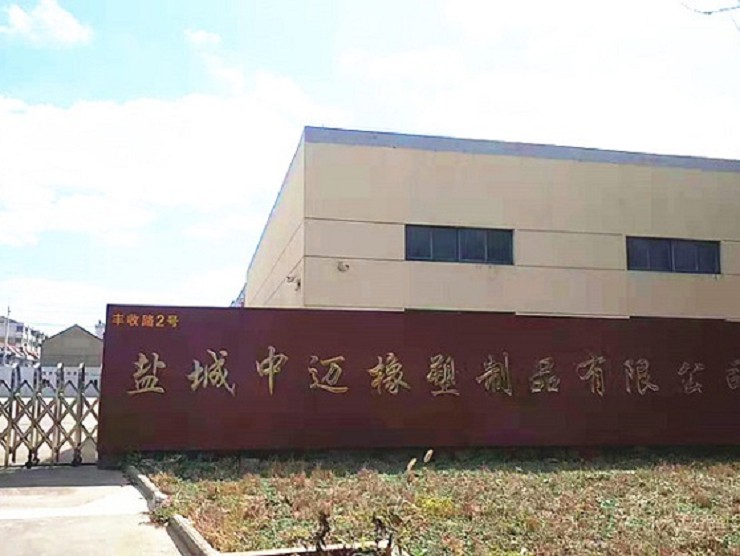
Our Factory
Yancheng Zhongmai Rubber & Plastic Material Co., LTD., is a professional manufacturer for AC/NC foaming agent and WPC processing additives. The company is committed to research & development, production, sales as one.


Our Certificate


FAQ
As one of the leading PVC stabilizer suppliers in China, we warmly welcome you to buy high quality PVC stabilizer at competitive price from our factory. For free sample, contact us now.
pvc film stabilizer, pvc light stabilizer, pvc transparent stabilizer