

Lubricant Agent
Yancheng Zhongmai Rubber & Plastic Material Co., LTD., is a professional manufacturer for AC/NC foaming agent and WPC processing additives. The company is committed to research & development, production, sales as one. In 2017, the company newly developed ammonia-free blowing agent, it is widely used in WPC and leather industry, has been sold all over the country, exported to Turkey and other European and American countries,and wins a good reputation.

Why Choose Us?
01
High quality
Our main product is stabilizer, acrylic impact modifier agent, PVC processing aid, PVC foaming regulator, foaming agent, lubricant and other new tech chemical additives.
02
Rich experience
We are a professional manufacturer for AC/NC foaming agent and WPC processing additives with has more than 7 years of production work experience,
03
Advanced equipment
With the idea of intelligent production, scientific research and innovation, we introduce fully automatic environmental protection, efficient and energy-saving production lines.
04
Good service
We can provide production formula,free technology supporting for production,free sample,production cost budget, product customized OEM,and worker training service,etc.


What is Lubricant Agent?
A lubricant (sometimes shortened to lube) is a substance that helps to reduce friction between surfaces in mutual contact, which ultimately reduces the heat generated when the surfaces move. It may also have the function of transmitting forces, transporting foreign particles, or heating or cooling the surfaces.
Benefits of Lubricant Agent
1.Can help reduce friction and wear on PVC pipes and fittings.
2.Can make it easier to connect and disconnect PVC pipes and fittings.
3.Can help protect PVC pipes and fittings from corrosion.
4.Can improve the flow of liquids through PVC pipes and fittings.
5.Is generally safe to use with most types of PVC pipes and fittings.
Types of Lubricant Agent
External lubricants
PVC external lubricants serve the purpose of creating a lubricating thin layer at the interface between the plastic melt and metal. These lubricants have limited compatibility with polymers, making them prone to migration from the melt to the exterior. As a result, they effectively reduce friction and enhance the overall processing of PVC.
Internal lubricants
PVC internal lubricants are characterized by their strong compatibility with polymers. They work by reducing the cohesion between polymer molecules within the polymer matrix. This reduction in internal friction heat generation enhances the melt fluidity of the plastic melt, further improving the processing of PVC.
Application of Internal Lubricant
Piping and tubing
PVC lubricant prevents wear and tear on pipelines and tubing, making them more reliable and longer lasting.
Manufacturing
PVC lubricant helps reduce friction and improve assembly and manufacturing processes.
Aerospace
PVC lubricant keeps aircraft parts moving smoothly, reducing the need for maintenance and improving efficiency.
Components of Lubricant Agent
Base oil
Depending on its formulation, the base oil can make up 70% to 90% of a lubricant’s overall composition. If you’re not starting with a quality base oil, you’re putting your ag equipment or fleet in jeopardy. Base oils range from conventional mineral oils (categorized in the industry as Group I or II) to highly refined synthetics (Group III and IV).
The biggest differentiator in the makeup of synthetic oil is that in the refining process, more wax molecules are removed from synthetic oils than from more conventional oils. This produces an oil that is more uniform, shear stable and less susceptible to oxidation and crystallization. Less oxidation in an oil means slower sludge buildup, which lengthens the lifespan of your oil and extends drain intervals. And less crystallization means that in cold weather, the wax molecules aren’t clumping together causing thicker oil and decreased flowability. Reduced crystallization also means better engine protection and cold start operation.
Viscosity modifier
A viscosity modifier enables a lubricant’s thickness to adapt to different temperatures, especially warm weather. Products without the proper amount of quality viscosity modifier are at risk of becoming too thick at cold startup, and too thin at high operating temperatures. Both of these factors create the risk of your oil not protecting your engine like it should. The multi-viscosity element also prevents you from having to change oil seasonally.
Additive package
Additives are a smaller percentage yet crucial part of a quality lubricant. It’s what sets lubricants apart from each other and a lack of additives can be the culprit of your operation missing out on productivity.
Process of Lubricant Agent


Choice of base oil: The first step in the manufacture of lubricants is the selection of a suitable base oil or combination of base oils. Base oils can be mineral oils (derived from petroleum) or synthetic oils (chemically synthesized). The choice of base oil depends on the desired properties of the final lubricant.
Composition of attachments: Various additives are made and added to the base oil to improve the lubricant and its performance. These additives can include anti-wear agents, viscosity modifiers, detergents, antioxidants, corrosion inhibitors and more. Additive composition is a critical step in creating lubricants tailored to specific applications.
Mixture: Selected base oils and additive packages are mixed in precise proportions to achieve the desired lubricant composition. The mixing process can be carried out in batches or continuously using special equipment to ensure uniform mixing.
Quality control: Rigorous quality control procedures are applied to test the lubricant and its properties such as viscosity, chemical composition and various performance characteristics. This ensures that the lubricant meets the required specifications and performance standards.
Filtering and refining: Lubricants can be filtered and refined to remove dirt and grime that can affect performance. This is especially important for high quality lubricants.
Packaging: Once the lubricant has passed quality control tests and been refined, it is ready for packaging. Depending on the target market, lubricants are usually packaged in different containers such as bottles, drums, drums or bulk containers.
Distribution: Finished lubricants are marketed to a variety of customers and markets, including automotive, industrial, marine, aerospace and many others. Lubricants can be sold directly to end users, through distributors or through retail channels.
How to Maintain Lubricant Agent
Lubricant condition does not only change when in service, but it can also change when in storage. Any exposure to dust, dirt, water, or other particles during the storage process could result in lubricant contamination, making that lubricant less effective in service. Similarly, prolonged exposure to adverse conditions such as extreme temperatures can alter key lubricant characteristics. That’s why storage in properly sealed containers and dedicated storage areas with the right ambient conditions is critically important.
Whenever possible, lubricants should be stored indoors, ideally in an area that is air-conditioned and that can maintain constant temperatures. The floor should be level and oil resistant and the storage area should be well ventilated. The area should also have shelving that adequately protects all containers. For example, the viscosity index improver polymer additives in crankcase oils can degrade in sunlight, so these oils should not be stored in clear containers exposed to sunlight.
Storage isn’t the only time the lubricant is susceptible to contamination – proper lubricant handling is equally important. Maintenance personnel should implement good handling practices to ensure cleanliness, including the use of regularly maintained lubrication trolleys and dispensers. The maintenance team should also properly clean the lubrication points prior to application to minimize the risk of contamination.
Whether your lubricants are stored indoors or outside, environmental conditions can reduce their shelf life. The fluids are vulnerable to contamination by dust and dirt. Fluctuating temperatures cause a reaction known as thermal siphoning, in which air moves in and out of the container’s head space and the atmosphere — even in sealed containers with no oil going in or out. Moisture and airborne particles travel with the air, resulting in contamination and degradation of the oil. Extreme hot or cold temperatures can lead to chemical degradation as well.
Ideally, lubricants should be stored indoors, if possible, where the environment can be better controlled. A clean, dry environment kept at a stable, moderate temperature is best. Do not, for example, store lubricants near sources of heat or steam.
If outdoor storage cannot be avoided, lubricants should be sheltered as much as possible from environmental conditions that may degrade them. For example, a roof or tarpaulin can help shelter lubricants from precipitation as well as from the heat generated by direct sunlight. In addition, placing containers on blocks or racks can help protect them from ground moisture.
Understand your needs: Before selecting PVC lubricants, determine the challenge you are facing while processing. Is your PVC resin too thick? Does it get stuck to the equipment? Do you often notice cracks? Is the finish not desired? Determine the target problem.
Define your needs: Once you have defined your target problem, you can assess whether you need an internal or an external lubricant. If your problems are due to the PVC resin, you should look into internal resins. However, if your problems are faced during processing, external lubricants may be more appropriate.
Consult with an expert: You can consult with experts and lubricant manufacturers to determine which lubricant may be more appropriate for your problem.
Review the types and products: The table given above on the types of lubricants is just a short gist. There are various lubricants available in the market and each lubricant affects the final product. Therefore, do a comprehensive review of all products available and suitable for your problem. Narrow your options until you find the right PVC lubricant.
Check compliance: There are strict regulations on the use, disposal and distribution of lubricants. Depending on your country and region, check whether your desired product complies with the regulatory guidelines. Eliminate options that do not comply with the guidelines.
Trial and error: You will have to do some trial and error to determine the right additive dosage, processing temperature and so forth. This will affect the flow properties of your final PVC product. You will find the right PVC lubricant only through trials.
Continue optimization: Just because you have found the right product does not mean you need not look for a better product. Optimization is a continuous process and can help you improve the quality of your product.
What Happens if You Use the Lubricants Incorrectly?
Excessive Internal Lubrication can lead to unusually faster extrusion rate, leading to poor plasticization, a decrease in quality, and poor surface properties of PVC.
There can also be many processing issues leading to defects in the product and a reduction in the impact strength of the product.
Insufficient lubrication can increase the shear load, leading to corrosion damage such as crackling and pitting.
Moreover, under lubrication can lead to loss of mechanical properties and even degradation of PVC.
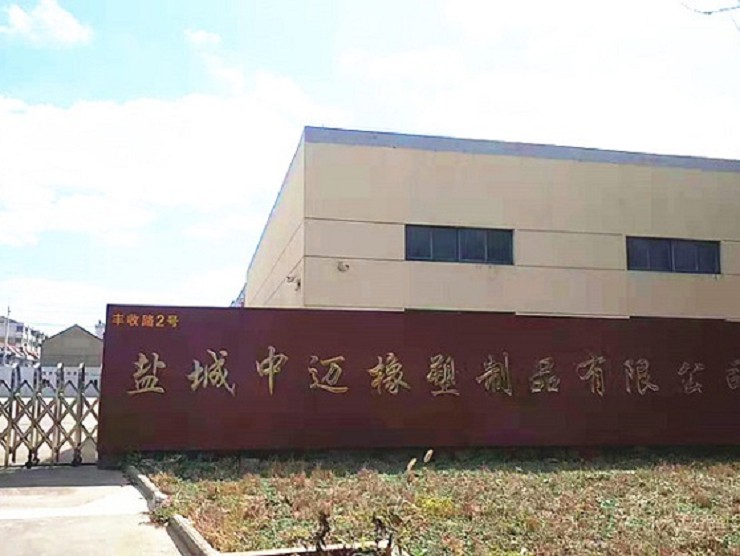
Our Factory
Yancheng Zhongmai Rubber & Plastic Material Co., LTD., is a professional manufacturer for AC/NC foaming agent and WPC processing additives. The company is committed to research & development, production, sales as one.


Our Certificate


FAQ
As one of the leading lubricant agent suppliers in China, we warmly welcome you to buy high quality lubricant agent at competitive price from our factory. For free sample, contact us now.