

PVC Lead Stabilizer
Yancheng Zhongmai Rubber & Plastic Material Co., LTD., is a professional manufacturer for AC/NC foaming agent and WPC processing additives. The company is committed to research & development, production, sales as one. In 2017, the company newly developed ammonia-free blowing agent, it is widely used in WPC and leather industry, has been sold all over the country, exported to Turkey and other European and American countries,and wins a good reputation.

Why Choose Us?
01
High quality
Our main product is stabilizer, acrylic impact modifier agent, PVC processing aid, PVC foaming regulator, foaming agent, lubricant and other new tech chemical additives.
02
Rich experience
We are a professional manufacturer for AC/NC foaming agent and WPC processing additives with has more than 7 years of production work experience,
03
Advanced equipment
With the idea of intelligent production, scientific research and innovation, we introduce fully automatic environmental protection, efficient and energy-saving production lines.
04
Good service
We can provide production formula,free technology supporting for production,free sample,production cost budget, product customized OEM,and worker training service,etc.


What is PVC Lead Stabilizer?
Lead stabilizers are considered as the most cost-effective form of heat stabilizers for PVC plastics. PVC compounds when stabilized with lead stabilizers show excellent heat and light stability, exceptional mechanical and electrical properties and display a wider processing range. This class of heat stabilizers is widely used in wire and cable applications and for manufacturing pressurized PVC pipes and fittings.
Benefits of PVC Lead Stabilizer
Enhancing heat resistance
One of the primary challenges in industrial applications is the exposure of PVC to high temperatures. During the manufacturing process, PVC is subjected to heat, which can cause thermal degradation if not properly stabilized. Lead stabilizers play a crucial role in enhancing the heat resistance of PVC, preventing it from breaking down or losing its properties at elevated temperatures. This is particularly important in applications such as piping and wiring, where PVC must maintain its integrity under thermal stress.
Improving durability
Lead stabilizers also improve the overall durability of PVC products. By providing long-term stability, these stabilizers ensure that PVC maintains its mechanical properties, such as flexibility, strength, and resistance to wear and tear. This durability is essential in applications where PVC is exposed to harsh conditions, such as in construction and automotive industries. The use of lead stabilizers results in PVC products that can withstand the rigors of their environments, offering reliable performance over extended periods.
UV protection
Another significant challenge for PVC products is exposure to UV radiation, which can cause the material to degrade over time. Lead stabilizers offer critical UV protection, reducing the impact of UV rays on PVC and thereby extending the lifespan of products used outdoors. This UV resistance is especially important for applications such as outdoor signage, roofing, and window profiles, where prolonged exposure to sunlight can lead to material failure. By incorporating lead stabilizers, manufacturers can produce PVC products that are more resilient to UV damage, ensuring they remain functional and visually appealing for longer.
Cost-effectiveness
In addition to enhancing performance, lead stabilizers provide a cost-effective solution for stabilizing PVC. Their ability to improve heat resistance, durability, and UV protection makes lead-stabilized PVC a preferred choice in various applications. The cost-effectiveness of lead stabilizers is particularly beneficial in large-scale industrial operations, where the affordability of materials can significantly impact overall production costs. By using lead stabilizers, manufacturers can produce high-quality PVC products without incurring excessive expenses, making it an economical option for many industries.
Types of PVC Lead Stabilizer
Calcium-based lead stabilizers
Calcium-based lead stabilizers are a popular choice for building materials, cables, and profiles as they offer excellent heat stability and good mechanical properties. They are also known to be cost-effective compared to other lead stabilizers.
Organic lead stabilizers
Organic lead stabilizers are popularly used in plumbing, electrical insulation, and roofing materials. They offer better processability to PVC compared to their inorganic counterparts and are generally more stable at high temperatures. They also offer superior resistance to UV radiation, making them perfect for outdoor applications.
Inorganic lead stabilizers
Inorganic lead stabilizers are popularly used in PVC films, sheets, and cables. They offer excellent heat and light stability properties, which are crucial in applications where the PVC product is exposed to sunlight or high temperatures.
Mixed-metal lead stabilizers
Mixed-metal lead stabilizers contain lead along with other metals such as calcium, zinc, and tin. These stabilizers offer excellent long-term performance, good heat stability, and low toxicity.
Epoxidized soybean oil (ESBO) lead stabilizers
Epoxidized soybean oil (ESBO) lead stabilizers are becoming increasingly popular due to their low toxicity and more stringent regulations concerning lead. They are used in applications such as flooring, roofing, and automotive seating.
Barium-based lead stabilizers
Barium-based lead stabilizers are widely used in PVC applications such as cables and flooring, where they offer better stabilization properties and reduced toxicity compared to traditional lead stabilizers.
Tin-based stabilizers
Tin-based stabilizers are a popular alternative to lead stabilizers due to their superior thermal stability and non-toxicity. They are widely used in applications such as window profiles, pipes, and cables.
Tribasic lead sulfate
Tribasic lead sulfate is a commonly used lead-based stabilizer. It is known for its excellent heat stability and lubricating properties. It is often used in rigid PVC applications such as pipes, window profiles, and siding. However, it is also known for its toxicity and environmental impact.
Dibasic Lead Phosphite
Dibasic lead phosphite is another commonly used lead-based stabilizer. It is known for its excellent heat stability and lubricating properties. It is often used in flexible PVC applications such as cables, flooring, and roofing membranes. However, it is also known for its toxicity and environmental impact.
Lead Stearate
Lead stearate is a lead-based stabilizer that is often used in combination with other stabilizers. It is known for its excellent lubricating properties and is often used in flexible PVC applications such as cables, flooring, and roofing membranes. However, it is also known for its toxicity and environmental impact.

PVC pipes: Lead stabilizer are essential for pvc pipes, ensuring durability and resistance to environmental factors like heat and chemicals, ideal for water distribution and sewage systems.
PVC profiles: They are commonly used in the manufacturing of pvc profiles, including window frames, door frames, and decking materials. Lead stabilizer enhance the resistance of these profiles to weathering, making them suitable for outdoor applications.
Cable insulation: In the electrical industry, lead stabilizer are used to insulate electrical cables and wires. They protect the pvc coating from deterioration due to the heat generated by electrical currents, ensuring the safety and longevity of these products.
PVC films: Lead stabilizer contribute to the clarity, flexibility, and durability of PVC films. These films are used in various applications such as packaging, shrink-wrap, and decorative laminates.
Construction materials: Within the construction industry, lead stabilizers are utilized in materials like vinyl siding, roofing membranes, and flooring. They help PVC-based construction materials withstand harsh environmental conditions and maintain their performance over time.
How To Maintain PVC Lead Stabilizer
Storage condition
The storage condition of the lead stabilizer is an essential factor to maintain its quality. Lead stabilizer are hygroscopic, which means they absorb moisture quickly, causing the destabilization of the product. Therefore, it's essential to keep the stabilizers in a dry environment, away from any moisture sources. The recommended storage temperature is between 20°c to 25°c, and the humidity should be below 65%. It's also crucial to avoid any exposure to sunlight and direct heat sources.
Packaging
The packaging is another factor that affects the quality of the lead stabilizer. The packaging should be airtight to prevent any moisture and air from entering the container. A sealed container prevents the calcium zinc stabilizer from oxidizing, which affects its efficiency. Moreover, ensure that the package is made of a material that's compatible with the lead stabilizer to prevent any interaction or contamination.

With the increasing demand for PVC products, the industry is actively investing in research and development endeavors aimed at discovering novel methods to stabilize PVC without relying on lead. One particularly promising avenue of exploration is in the realm of nanotechnology, which explores the utilization of nanoparticles to hence the properties of PVC.
Researchers have found that nanoparticles such as titanium dioxide and zinc oxide can be used as effective stabilizers for PVC, providing comparable or even better performance than lead stabilizers. Additionally, these nanoparticles have low toxicity and are considered safe for the environment.
Another area of research is the development of bio-based stabilizers, which are derived from renewable resources such as vegetable oils and animal fats. These stabilizers have shown promising results in laboratory tests and could provide a sustainable alternative to lead stabilizers.
How do Lead Stabilizers help in the Growth of the PVC Stabilizer Market?
According to analysis, the lead stabilizers segment is estimated to dominate the market during the forecast period. They have been extensively used in the manufacturing of PVC pipes, profiles, cables, and packaging materials for many years due to their ability to control PVC degradation during processing and long-term usage. Compared to other types of stabilizers, lead stabilizers have better color retention, high thermal stability, and are more cost-effective. These benefits have led to their widespread use in regions with less strict lead content regulations, as they make PVC processing easier, minimizing production downtime, and increasing manufacturer productivity. Industries such as construction and automobiles benefit from this efficiency.
Furthermore, lead stabilizers pose a risk to the environment and human health, and growing concerns about the negative effects of lead exposure have led to restrictions on their use. As a result, alternative stabilizers based on calcium, zinc, or organotin are gaining popularity as they offer comparable performance and address sustainability and regulatory compliance issues.
Difference Between PVC and Lead-Free PVC
The main difference between PVC and lead-free PVC is the presence of lead. PVC yarn generally contains lead stabilizers, which can leach out of the material and cause environmental damage. Lead is a toxic heavy metal that can cause neurological and developmental problems, especially in children. Lead-free PVC eliminates the risk of lead formation.
PVC is not biodegradable and can persist for hundreds of years in the environment. When burned or improperly disposed of, PVC can release toxic chemicals into the air and water. Lead-free PVC is more environmentally friendly because it contains no lead and can be recycled.
PVC and lead-free PVC can have similar properties, but there are some differences. Lead stabilizers can improve PVC’s properties such as thermal stability, weather resistance, and processability. However, lead-free PVC can achieve similar properties by using additional stabilizers such as calcium, zinc and tin.
Due to the use of additional stabilizers, lead-free PVC can cost more than conventional PVC. However, the cost difference is not significant, and the benefits of using lead-free PVC outweigh the costs.
The Testing Method of Heat Stabilizer
Plastic additives can be tested to improve the accuracy of the amount of heat stabilizer added to make it easier to add some difficult additives, testing methods can be divided into the static method and dynamic method.
1.Static method
Test tube method: Mixed into a powder, mounted in a test tube, heated to observe the discoloration.
Hot baking method: Made into tablets, in an oven, heated to observe the discoloration.
Hot pressing method: Make into tablets, heat and age in a hot press, observe the discoloration and measure the performance.
2.Dynamic method
Processing flow meter: The change of curve.
Roll pressing method: Mixing on double rolls for a long time, taking samples periodically, observing the discoloration and measuring the performance.
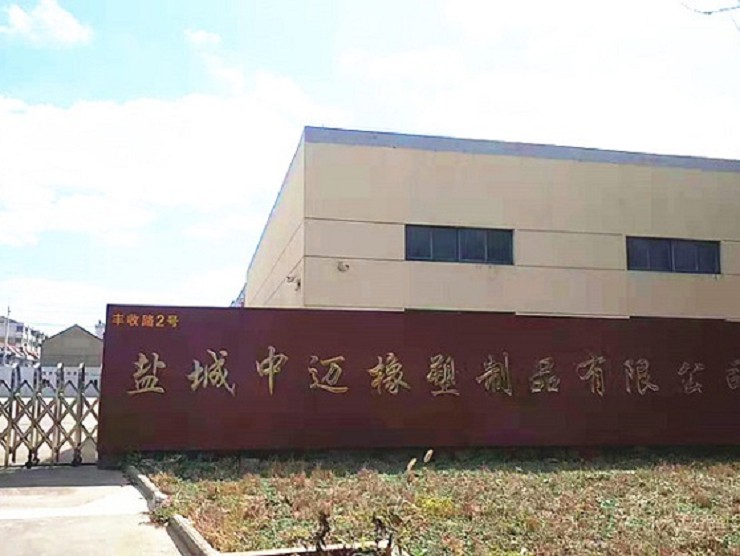
Our Factory
Yancheng Zhongmai Rubber & Plastic Material Co., LTD., is a professional manufacturer for AC/NC foaming agent and WPC processing additives. The company is committed to research & development, production, sales as one.


Our Certificate


FAQ
As one of the leading PVC lead stabilizer suppliers in China, we warmly welcome you to buy high quality PVC lead stabilizer at competitive price from our factory. For free sample, contact us now.
PVC Roof Tile Lead Stabilizer, PVC Pb Stabilizer, pvc lead stabilizer