

PVC Ca Zn Stabilizer
Yancheng Zhongmai Rubber & Plastic Material Co., LTD., is a professional manufacturer for AC/NC foaming agent and WPC processing additives. The company is committed to research & development, production, sales as one. In 2017, the company newly developed ammonia-free blowing agent, it is widely used in WPC and leather industry, has been sold all over the country, exported to Turkey and other European and American countries,and wins a good reputation.

Why Choose Us?
01
High quality
Our main product is stabilizer, acrylic impact modifier agent, PVC processing aid, PVC foaming regulator, foaming agent, lubricant and other new tech chemical additives.
02
Rich experience
We are a professional manufacturer for AC/NC foaming agent and WPC processing additives with has more than 7 years of production work experience,
03
Advanced equipment
With the idea of intelligent production, scientific research and innovation, we introduce fully automatic environmental protection, efficient and energy-saving production lines.
04
Good service
We can provide production formula,free technology supporting for production,free sample,production cost budget, product customized OEM,and worker training service,etc.


What is PVC Ca Zn Stabilizer?
Calcium zinc stabilizers provide excellent weather resistance to PVC products, protecting them from degradation caused by exposure to UV radiation, moisture, and other environmental factors. This property is particularly beneficial for outdoor applications, where durability and colour retention are essential.
Benefits of PVC Ca Zn Stabilizer
High thermal stability
These stabilizers offer effective heat stabilization, allowing PVC to withstand elevated temperatures without significant degradation.
01
Color retention
They contribute to maintaining the color stability of PVC products by minimizing discoloration caused by thermal degradation.
02
Mechanical properties
Calcium zinc stabilizers help preserve the mechanical strength, flexibility, and impact resistance of pvc, ensuring the durability and performance of finished products.
03
Weather resistance
They enhance the pvc's resistance to weathering, uv radiation, and environmental exposure, making it suitable for outdoor applications.
04
Cost-effectiveness
Calcium zinc stabilizers are often preferred for their cost-effectiveness compared to other stabilizer systems.
05
Types of PVC Ca Zn Stabilizer
General-purpose grades: Balanced combination of heat stability, weatherability, and processing performance.
High-heat stability grades: Excellent heat stability during PVC processing at elevated temperatures.
Weatherability grades: Enhance the resistance of PVC products to outdoor weathering, UV radiation, and environmental factors.
Transparent grades: Maintain the clarity and transparency of PVC while providing necessary stabilization.
Low-volatile organic compound (VOC) grades: Minimizing the emission of volatile organic compounds during PVC processing or in the final product.
Food-contact grades: Complies with regulatory requirements for PVC products intended for food-contact applications.
Application of PVC Ca Zn Stabilizer
One of the primary applications of calcium zinc stabilizers is in the manufacturing of PVC pipes and fittings. These stabilizers provide excellent heat stability and UV resistance, making them ideal for outdoor applications. They also improve the mechanical properties of PVC pipes and fittings, making them more durable and long-lasting. Calcium zinc stabilizers are also free of heavy metals, making them environmentally friendly.
Calcium zinc stabilizers are also used in the manufacturing of PVC-insulated wires and cables. They improve the thermal stability of PVC, which is important for various service temperature of wires and cables application. Additionally, they help to reduce the amount of smoke and toxic gases produced during a fire, making them a safer option for electrical applications.
Calcium zinc stabilizers help to improve the durability and impact resistance of PVC, making it suitable for a wide range of outdoor applications such as PVC profiles and sheets. They provide excellent colour, good stability, ensuring that the PVC products maintain their appearance over time.
In the manufacturing of PVC flooring products, these stabilizers improve the mechanical properties of the flooring, making it more resistant to wear and tear. The excellent heat stability provided by calcium zinc stabilizers ensures that the flooring maintains its shape and appearance over time. Additionally, they provide good electrical insulation properties, making them ideal for use in commercial and industrial settings.
Calcium zinc stabilizers also support the manufacturing of medical devices made from PVC. These stabilizers are biocompatible and do not contain any heavy metals, making them safe for use. Additionally, All materials being used here are approved for the use in medical applications and food contact plus the heat stability provided by the stabilizers also makes the devices more long-lasting. Calcium zinc stabilizers, with other additives and calcium stearates, are an essential ingredient in the manufacturing of PVC products.
Components of PVC Ca Zn Stabilizer
Heat stabilizers
These components act like a thermal shield for PVC, making sure that even when the heat is rising substantially, the material retains its structural integrity and mechanical properties.
Light stabilizers
Protecting PVC from ultraviolet (UV) radiation is crucial for outdoor applications. Light stabilizers prevent UV-induced degradation, which can lead to color fading, embrittlement and overall deterioration of the material.
Lubricants
Lubricants are added to PVC formulations to make the processing a lot easier and enhance the flow of the material during manufacturing as well. Moreover, they contribute to the stability of the PVC matrix.
Antioxidants
Antioxidants are incorporated to inhibit the oxidation of PVC. They prevent harmful chemical reactions (oxidation) from happening inside the material. Hence, maintaining the material’s resistance to oxidative degradation.

To maximize the benefits of calcium zinc stabilizers for PVC formulations, it is important to follow certain considerations and best practices.
1.Optimal dosage and usage: Follow dosage guidelines for optimal performance without compromising pvc properties.
2.Compatibility: Consider compatibility with other additives and processing conditions.
3.Regulatory compliance: Adhere to regulatory requirements and obtain necessary certifications.
Challenges and Solutions in Application
However, the substitution of PVC Ca/Zn stabilizer for lead-based stabilizers is not without its challenges. Traditional PVC production equipment was designed to accommodate the use of lead-based stabilizers. Even with the addition of sufficient lubricants, it can be difficult to prevent the further melting of the epoxy resin within the allotted time frame. This disrupts the existing lubrication balance, leading to excessive consumption of thermal stabilizers in the homogenization stage of the PVC melt. As a result, the desired viscosity and elasticity for rigid PVC production may not be achieved. Addressing these issues is crucial for the successful application of PVC Ca/Zn stabilizers.

Ca-Zn stabilizers were first introduced in the 1970s as a substitute for lead-based stabilizers in the wire and cable industry. However, these early stabilizers were far from perfect, faced challenges with maintaining color and processing efficiency.
Through persistent research and technological advancements, the limitations were gradually overcome. Today’s Ca-Zn stabilizers not only provide excellent color and improved processing but also offer exceptional thermal stability, making them a top choice for PVC applications.
Future Prospects
The future of Ca/Zn stabilizers looks promising. With the increasing focus on sustainability and technological advancements, manufacturers are continually innovating to develop sophisticated Ca/Zn formulations that can cater to a broader range of PVC applications.
Furthermore, the integration of nanotechnology presents exciting opportunities to enhance the performance of these stabilizers even further. The use of nanostructured materials could potentially increase their efficiency, offering cost-effective solutions with lower usage levels.
The increasing global demand for eco-friendly stabilizers points towards a bright future for Ca/Zn stabilizers, ensuring their role will only become more critical as the PVC industry evolves.
How To Make Calcium And Zinc Stabilizers Play A Full Role
The green and environmental protection of the calcium-zinc stabilizer formula: It is necessary to pay attention to whether the content of heavy metals (lead, cadmium, tin, barium) can meet the product and meet the requirements of the new national standard.
Calcium-zinc stabilizer has strong internal lubricating effect, so more external lubricants need to be added.
Ca-Zn stabilizer thermal stability than the lead salt is weaker, narrower processing window, higher control requirements. 4. Pay attention to the mold cleaning cycle during the operation process. The addition of calcium and zinc stabilizer lubricants is likely to increase the precipitation and affect the mold cleaning cycle. It has a greater impact on large-scale production, and it is necessary to strictly select stabilizers. If it is its own stabilizer, it needs to be matched with PE wax or oxidized wax with good lubricating effect in the middle and late stages . The vacuum degree must be strictly controlled to reduce precipitation and prolong the cleaning time of the mold.
Lead-Based Stabilizers Vs Calcium/Zinc-Based Stabilizers
|
Criteria |
Lead Based Stabilizers |
Calcium/Zinc Based Stabilizers |
|
Environmental Impact |
Concerns about toxicity and contamination |
More environmentally friendly product |
|
Toxicity and Health |
Poses significant health risk |
Safer alternative |
|
Thermal Stability |
Historically known for effective stability |
Improved formulations for heat stability |
|
Weather Resistance |
Reasonable, but effectiveness can vary |
Provides excellent weather resistance |
|
Regulatory compliance |
Have environmental Concerns |
Compliant with current stan |
In essence, understanding calcium/zinc-based one-pack stabilizers unveils a world of sustainable, high-performance solutions. Technological advancements have made calcium/zinc stabilizers competitive in terms of performance and cost, offering a safer and more sustainable solution for PVC applications.
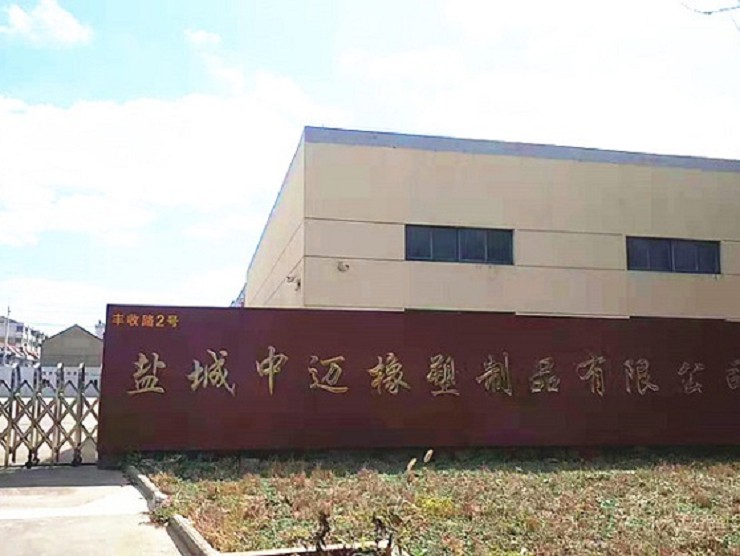
Our Factory
Yancheng Zhongmai Rubber & Plastic Material Co., LTD., is a professional manufacturer for AC/NC foaming agent and WPC processing additives. The company is committed to research & development, production, sales as one.


Our Certificate


FAQ
As one of the leading PVC ca zn stabilizer suppliers in China, we warmly welcome you to buy high quality PVC ca zn stabilizer at competitive price from our factory. For free sample, contact us now.
Wire and Cable Stabilizer, pvc stabilizer, pvc ca zn stabilizer