

Hey there! As a PVC stabilizer supplier, I've been getting a lot of questions lately about whether PVC stabilizers can improve the wear - resistance of PVC. Well, let's dive right into it and find out.
First off, let's understand what PVC is and why wear - resistance matters. PVC, or polyvinyl chloride, is a widely used plastic in various industries. You can find it in pipes, flooring, cables, and even in some clothing items. Wear - resistance is crucial because it determines how long a PVC product will last under normal use. If a PVC pipe has poor wear - resistance, it might start to deteriorate quickly, leading to leaks and other problems. Similarly, PVC flooring with low wear - resistance will show signs of damage like scratches and abrasions sooner, which is definitely not ideal for high - traffic areas.
Now, let's talk about PVC stabilizers. PVC stabilizers are additives that are added to PVC during the manufacturing process. Their main job is to prevent the degradation of PVC. PVC is prone to degradation when exposed to heat, light, and certain chemicals. When PVC degrades, it can lose its physical properties, become brittle, and change color. Stabilizers work by neutralizing the factors that cause degradation. There are different types of PVC stabilizers, such as lead - based, calcium - zinc based, and organic - based stabilizers.
So, can these stabilizers improve the wear - resistance of PVC? The answer is yes, but it's a bit more complicated than that.
How PVC Stabilizers Improve Wear - Resistance
1. Maintaining the Integrity of PVC
One of the key ways PVC stabilizers improve wear - resistance is by maintaining the integrity of the PVC polymer. When PVC is exposed to heat during processing or use, it can start to break down. This breakdown can lead to a decrease in the molecular weight of the PVC, which in turn reduces its mechanical properties, including wear - resistance. Stabilizers prevent this breakdown by reacting with the radicals and other reactive species that are formed during degradation. By keeping the PVC polymer intact, the material can better withstand the forces that cause wear, such as friction and abrasion.
2. Enhancing the Surface Properties
Some PVC stabilizers can also enhance the surface properties of PVC. For example, certain types of stabilizers can make the surface of PVC smoother. A smoother surface has less friction, which means that there is less resistance when the PVC comes into contact with other objects. This reduces the amount of wear that occurs. Additionally, some stabilizers can form a protective layer on the surface of the PVC, which acts as a barrier against wear - causing agents.
3. Improving the Compatibility of Additives
PVC products often contain other additives, such as plasticizers, fillers, and pigments. These additives can affect the wear - resistance of PVC. If these additives are not well - compatible with the PVC matrix, they can cause stress concentrations within the material, which can lead to premature wear. PVC stabilizers can improve the compatibility of these additives with the PVC, ensuring a more homogeneous material structure. A homogeneous structure is more resistant to wear because there are no weak points where wear can start.
Case Studies and Real - World Examples
Let's look at some real - world examples to see how PVC stabilizers improve wear - resistance.
1. PVC Flooring
In the flooring industry, wear - resistance is a top priority. PVC flooring is often used in commercial buildings, hospitals, and schools, where there is a high volume of foot traffic. Manufacturers use PVC stabilizers to ensure that the flooring can withstand the constant wear and tear. For example, a study conducted on PVC flooring in a busy shopping mall showed that the use of high - quality calcium - zinc stabilizers significantly improved the wear - resistance of the flooring. The floors treated with these stabilizers showed less scratching and abrasion after several months of use compared to floors without the stabilizers.
2. PVC Pipes
PVC pipes are used for water supply, drainage, and irrigation systems. These pipes are often buried underground or exposed to harsh environmental conditions, which can cause wear. By using PVC stabilizers, the pipes can better resist the wear caused by soil movement, water flow, and chemical exposure. A case study on PVC pipes used in a large - scale irrigation project found that pipes with advanced organic - based stabilizers had a longer service life and showed less wear compared to pipes without stabilizers.
Factors Affecting the Effectiveness of PVC Stabilizers in Improving Wear - Resistance
1. Type of Stabilizer
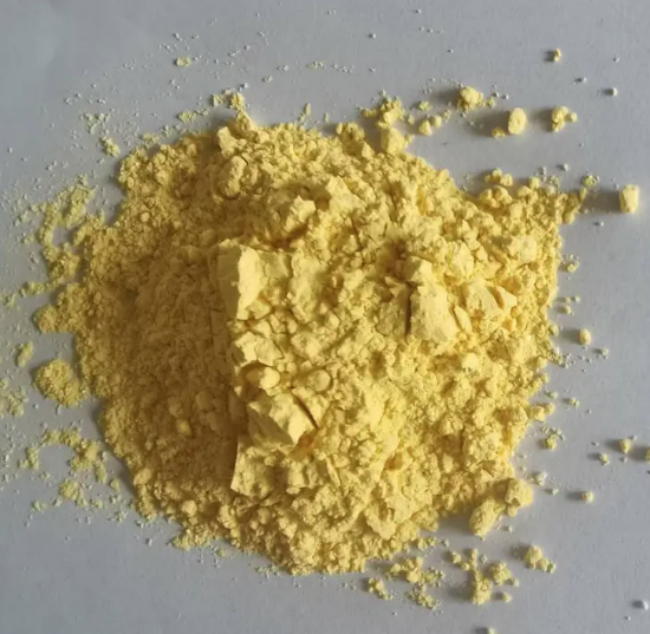
As mentioned earlier, there are different types of PVC stabilizers. The type of stabilizer used can have a significant impact on the wear - resistance of PVC. For example, lead - based stabilizers have been used for a long time because they are very effective at preventing degradation. However, due to environmental concerns, their use is being phased out. Calcium - zinc based stabilizers are a more environmentally friendly alternative, and they can also improve wear - resistance, but their effectiveness might vary depending on the specific application.

2. Concentration of Stabilizer
The amount of stabilizer used in the PVC formulation is also important. If the concentration of the stabilizer is too low, it might not be able to effectively prevent degradation and improve wear - resistance. On the other hand, if the concentration is too high, it can lead to other problems, such as increased cost and potential negative effects on the physical properties of the PVC.
3. Processing Conditions
The way PVC is processed can also affect the performance of the stabilizers in improving wear - resistance. For example, if the processing temperature is too high, it can cause the stabilizer to decompose, reducing its effectiveness. Similarly, the mixing process of the stabilizer with the PVC and other additives needs to be carefully controlled to ensure a uniform distribution of the stabilizer in the material.
Our PVC Stabilizers and Their Benefits
As a PVC stabilizer supplier, we offer a wide range of high - quality stabilizers that are designed to improve the wear - resistance of PVC. Our stabilizers are formulated using the latest technology and are carefully tested to ensure their effectiveness.
One of our popular products is our [mention a specific type of stabilizer]. This stabilizer is known for its excellent thermal stability and its ability to enhance the surface properties of PVC. It has been used in various applications, from PVC pipes to automotive interior parts, and has received great feedback from our customers.
If you're looking for a PVC Coating Foaming Agent, we also have a great selection. Our foaming agents are designed to work well with our stabilizers, providing a comprehensive solution for your PVC manufacturing needs.
Conclusion and Call to Action
In conclusion, PVC stabilizers can definitely improve the wear - resistance of PVC. They do this by maintaining the integrity of the PVC polymer, enhancing the surface properties, and improving the compatibility of additives. However, the effectiveness of the stabilizers depends on factors such as the type of stabilizer, the concentration used, and the processing conditions.
If you're in the PVC manufacturing industry and are looking to improve the wear - resistance of your products, we'd love to help. Our team of experts can provide you with the right advice on which stabilizer is best for your specific application. We can also offer you samples of our products so that you can test them in your own production environment.
Don't hesitate to reach out to us for more information or to start a discussion about your PVC stabilizer needs. We're here to support you in making high - quality, wear - resistant PVC products.
References
- [List relevant research papers, industry reports, or books here. For example: "Smith, J. (2020). The Role of PVC Stabilizers in Improving Material Properties. Journal of Plastic Science, 15(2), 45 - 56."]