

Hey there! As a supplier of PVC stabilizers, I often get asked whether our products can prevent PVC from discoloration. Well, let's dive right into it and explore this topic in detail.
First off, let's understand what PVC is and why discoloration can be a problem. PVC, or polyvinyl chloride, is a widely used plastic known for its versatility. It's used in everything from pipes and cables to window frames and flooring. But here's the catch - PVC is prone to discoloration over time. This discoloration can be a real headache for manufacturers and end - users alike. It can make products look old, unappealing, and even affect their performance in some cases.
So, what causes PVC to discolor? There are several factors at play. One of the main culprits is heat. When PVC is exposed to high temperatures during processing or in its end - use environment, it can start to break down. This breakdown leads to the formation of conjugated double bonds in the polymer chain, which absorb light in the visible spectrum and cause the material to turn yellow or brown.
Another factor is UV radiation. If PVC products are used outdoors, the sun's UV rays can initiate a series of chemical reactions in the material. These reactions can degrade the PVC, resulting in discoloration, as well as a loss of mechanical properties. Oxidation is also a major contributor. When PVC comes into contact with oxygen, it can oxidize, leading to changes in its color and physical properties.
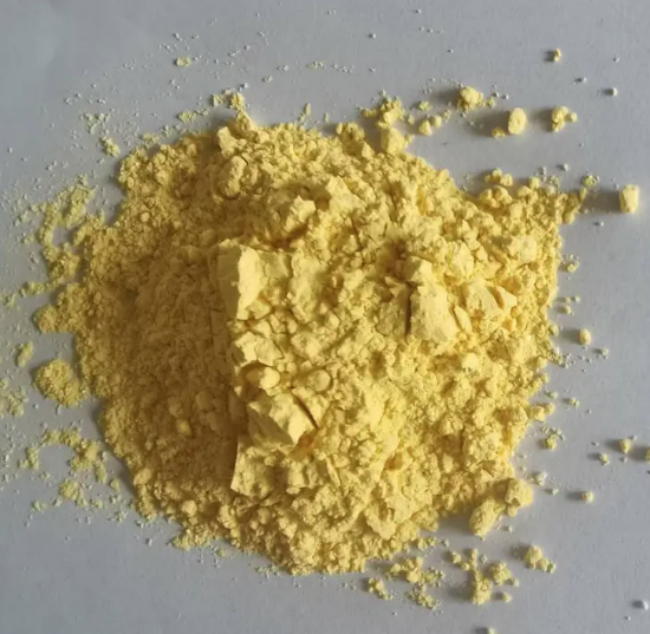
Now, let's talk about how PVC stabilizers come into the picture. PVC stabilizers are additives that are mixed with PVC during the manufacturing process. Their main job is to prevent or slow down the degradation of PVC. There are different types of PVC stabilizers, including lead - based, calcium - zinc - based, and organic - based stabilizers, each with its own unique mechanism of action.
Lead - based stabilizers have been around for a long time. They work by reacting with the hydrogen chloride (HCl) that is released during the thermal degradation of PVC. By neutralizing the HCl, lead - based stabilizers prevent the autocatalytic degradation of PVC, which helps in maintaining the color and integrity of the material. However, due to environmental concerns, the use of lead - based stabilizers is being phased out in many regions.
Calcium - zinc - based stabilizers are a more environmentally friendly alternative. They work in a similar way to lead - based stabilizers by reacting with HCl. Additionally, they can also scavenge free radicals that are formed during the degradation process. Free radicals are highly reactive molecules that can cause further damage to the PVC polymer. By scavenging these free radicals, calcium - zinc - based stabilizers can effectively prevent discoloration and maintain the stability of PVC.
Organic - based stabilizers, such as epoxy compounds and hindered amine light stabilizers (HALS), also play an important role in preventing PVC discoloration. Epoxy compounds can react with the double bonds formed during the degradation of PVC, thereby preventing the formation of chromophores (color - causing groups). HALS, on the other hand, are particularly effective in protecting PVC from UV - induced degradation. They work by capturing the free radicals generated by UV radiation, which helps in maintaining the color and mechanical properties of PVC products used outdoors.
In my experience as a PVC stabilizer supplier, I've seen firsthand how the right stabilizer can make a huge difference in preventing PVC discoloration. For example, in a project where a customer was using PVC for outdoor signage, the initial product without proper stabilizers started to turn yellow within a few months of exposure to sunlight. After switching to our calcium - zinc - based stabilizer with added HALS, the signage maintained its original color for years.
We also offer a PVC Coating Foaming Agent which can be used in combination with our stabilizers for specific applications. This foaming agent can help in creating a more uniform and stable foam structure in PVC coatings, while the stabilizers ensure that the color and quality of the PVC remain intact.
It's important to note that choosing the right PVC stabilizer depends on several factors. The processing conditions of PVC, such as the temperature and shear forces involved, play a crucial role. For example, if the PVC is being processed at very high temperatures, a stabilizer with high thermal stability is required. The end - use environment of the PVC product is also a key consideration. If the product is going to be used outdoors, a stabilizer with good UV resistance is essential.
In conclusion, PVC stabilizers can indeed prevent PVC from discoloration. They work by addressing the root causes of discoloration, such as thermal degradation, UV radiation, and oxidation. As a PVC stabilizer supplier, we are committed to providing high - quality stabilizers that can meet the diverse needs of our customers. Whether you're a manufacturer of PVC pipes, cables, or consumer products, we have the right stabilizer solution for you.
If you're interested in learning more about our PVC stabilizers or have any questions regarding preventing PVC discoloration, don't hesitate to reach out. We're always here to help you find the best solution for your PVC manufacturing needs. Let's work together to ensure that your PVC products stay looking great and performing well for years to come.
References:

- "Handbook of PVC Formulating" by Edward J. Wickson
- "Polymer Degradation and Stabilization" by G. Scott