

As a supplier of White Foaming Agents, I often encounter questions from customers regarding the safety and applicability of our products in food - related applications. In this blog, I aim to provide a comprehensive analysis of whether white foaming agents can be used in food products.
Understanding White Foaming Agents
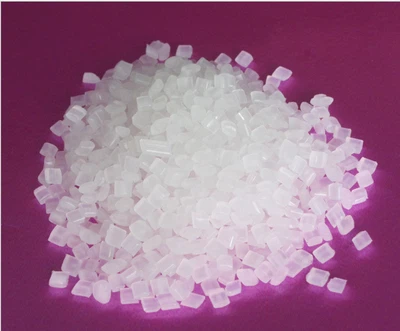
White foaming agents are substances that are designed to produce foam when added to a system. They work by reducing the surface tension of a liquid, allowing gas bubbles to form and be stabilized. Our White Foaming Agent is a high - quality product with specific chemical and physical properties that make it suitable for a variety of industrial applications.
Regulatory Considerations
When it comes to using any substance in food products, regulatory approval is paramount. Different countries and regions have their own regulatory bodies and standards for food additives. In the United States, the Food and Drug Administration (FDA) is responsible for ensuring the safety of food additives. The European Union has its own set of regulations under the European Food Safety Authority (EFSA).
In general, if a white foaming agent is to be used in food products, it must meet strict safety criteria. It should not pose any health risks such as toxicity, allergenicity, or the potential to form harmful by - products during cooking or storage. Our company is committed to complying with all relevant regulations. We conduct extensive research and testing to ensure that our products meet the safety standards set by different regulatory bodies.
Types of White Foaming Agents and Their Suitability for Food
There are various types of white foaming agents, and their suitability for food use depends on their chemical composition. Some common types include surfactants, proteins, and polymers.
Surfactants are widely used as foaming agents. However, not all surfactants are safe for food use. Some synthetic surfactants may contain impurities or have chemical structures that are not considered food - grade. On the other hand, natural surfactants such as those derived from plant sources may be more suitable for food applications. Our white foaming agents are carefully formulated to ensure that they are made from safe and approved ingredients.

Proteins, such as egg white proteins and soy proteins, are well - known natural foaming agents used in food. They can create stable foams and are generally recognized as safe (GRAS) by regulatory authorities. Our research team is exploring the possibility of incorporating protein - based components into our white foaming agents to enhance their food - grade suitability.
Polymers can also act as foaming agents. Some polymers are used in the food industry for their film - forming and stabilizing properties. However, the use of polymers in food requires careful evaluation to ensure that they do not leach into the food or cause any adverse effects.
Benefits of Using White Foaming Agents in Food
If a white foaming agent is deemed safe for food use, it can offer several benefits. Firstly, it can improve the texture of food products. For example, in baked goods, a foaming agent can create a lighter and fluffier texture, making the product more appealing to consumers. In dairy products such as whipped cream, a foaming agent can help to create a stable and long - lasting foam.
Secondly, white foaming agents can be used to control the density of food products. This is particularly important in products such as ice cream, where the right amount of air incorporation can improve the mouthfeel and reduce the cost of production.
Potential Risks
Despite the potential benefits, there are also some potential risks associated with using white foaming agents in food. As mentioned earlier, the chemical components of the foaming agent may be toxic or allergenic. Additionally, some foaming agents may react with other ingredients in the food, leading to the formation of harmful substances.
To mitigate these risks, our company invests heavily in research and development. We conduct thorough toxicological studies and compatibility tests to ensure that our white foaming agents are safe and do not interact negatively with other food ingredients.
Applications in the Food Industry
Although the use of white foaming agents in food is subject to strict regulations, there are still some approved applications. For example, in the production of confectionery products, a white foaming agent can be used to create a light and airy texture in marshmallows and meringues.
In the beverage industry, foaming agents can be used to create a stable foam on top of carbonated drinks or beer. Our Foaming Agent For PP Board has similar properties to some food - grade foaming agents, and our R & D team is constantly looking for ways to adapt our technology to meet the needs of the food industry.
Environmental and Sustainability Considerations
In addition to safety and performance, environmental and sustainability considerations are becoming increasingly important in the food industry. Our Environmental Friendly PP Foaming Masterbatch reflects our commitment to developing products that are not only effective but also environmentally friendly. When it comes to food - grade white foaming agents, we are exploring the use of renewable and biodegradable raw materials.
Conclusion and Call to Action
In conclusion, white foaming agents can potentially be used in food products, but only if they meet the strict safety and regulatory requirements. Our company is at the forefront of developing high - quality white foaming agents that are safe, effective, and environmentally friendly.
If you are interested in learning more about our white foaming agents for food or other applications, we encourage you to get in touch with us. We are more than happy to have in - depth discussions about your specific needs and how our products can meet them. Whether you are a food manufacturer, a researcher in the food industry, or a distributor, we look forward to the opportunity to work with you and provide the best solutions.
References
- Food and Drug Administration (FDA). "Food Additives: Overview." Available from official FDA resources.
- European Food Safety Authority (EFSA). "Guidelines on Food Additive Safety." Official EFSA publications.
- Scientific reviews on the use of foaming agents in food from peer - reviewed journals such as the Journal of Food Science and Technology.