

Hey there! As a supplier of PVC Pb Stabilizers, I often get asked about how these stabilizers work in PVC films. Well, let's dive right into it and break down the science behind it in a way that's easy to understand.
What is PVC and Why Does it Need Stabilizers?
First off, PVC, or polyvinyl chloride, is a super popular plastic. You can find it in all sorts of stuff - from pipes to window frames, and of course, PVC films. But here's the thing: PVC isn't the most stable material on its own. When it's exposed to heat during processing or over time in use, it can start to break down. This breakdown can lead to all sorts of problems like discoloration, loss of mechanical properties, and even the release of harmful hydrochloric acid (HCl).
That's where PVC Pb Stabilizers come in. They act as the guardians of PVC, protecting it from these issues and ensuring that the PVC films we make are of high quality and have a long lifespan.
How PVC Pb Stabilizers Work
1. Neutralizing HCl
One of the main ways PVC Pb Stabilizers work is by neutralizing the hydrochloric acid (HCl) that's released when PVC breaks down. When PVC is heated, the chlorine atoms in the polymer chain can start to break off, forming HCl. This acid can then catalyze further degradation of the PVC, creating a vicious cycle.
Lead-based stabilizers contain lead compounds, like lead salts. These lead salts react with the HCl to form lead chloride. This reaction not only removes the harmful HCl from the system but also stops the self - catalyzed degradation of PVC. For example, lead stearate is a common component in many PVC Pb Stabilizers. It reacts with HCl as follows:
[2HCl + Pb(C_{18}H_{35}O_{2}){2}\rightarrow PbCl{2}+ 2C_{18}H_{36}O_{2}]
The lead chloride formed is relatively stable and doesn't contribute to further degradation of the PVC.
2. Substituting Unstable Chlorine Atoms
Another important function of PVC Pb Stabilizers is to substitute the unstable chlorine atoms in the PVC polymer chain. During the synthesis of PVC, there can be some structural irregularities where the chlorine atoms are more easily detached. These unstable chlorine atoms are the starting points for the degradation process.
Lead stabilizers can react with these unstable chlorine atoms and replace them with more stable groups. This makes the PVC polymer chain more resistant to heat and other environmental factors. For instance, some lead stabilizers can insert lead-containing groups into the PVC chain, which are less likely to break off and cause degradation.
3. Antioxidant Properties
PVC can also be affected by oxidation, especially when exposed to air and heat. Oxidation can lead to the formation of carbonyl groups in the PVC, which can cause discoloration and a decrease in mechanical properties.
Many PVC Pb Stabilizers have antioxidant properties. They can react with the free radicals that are formed during the oxidation process and prevent them from reacting with the PVC polymer. This helps to maintain the integrity of the PVC film and keep it looking good for longer.
Types of PVC Pb Stabilizers and Their Applications in PVC Films
PVC Slow Plasticizing Stabilizer
We offer a PVC Slow Plasticizing Stabilizer that's great for certain types of PVC films. This stabilizer is designed to slow down the plasticizing process of PVC. In some applications, a slow plasticizing rate is desirable as it allows for better control during processing. For example, in the production of thick PVC films, a slow plasticizing stabilizer can ensure that the film has a more uniform structure and better mechanical properties.
High Performance Lead Stabilizer
Our High Performance Lead Stabilizer is a top - of - the - line product. It offers excellent heat stability and can withstand high processing temperatures without losing its effectiveness. This is crucial for PVC films that are used in applications where they will be exposed to high heat, such as in some industrial settings or in outdoor applications where the sun can heat up the film.
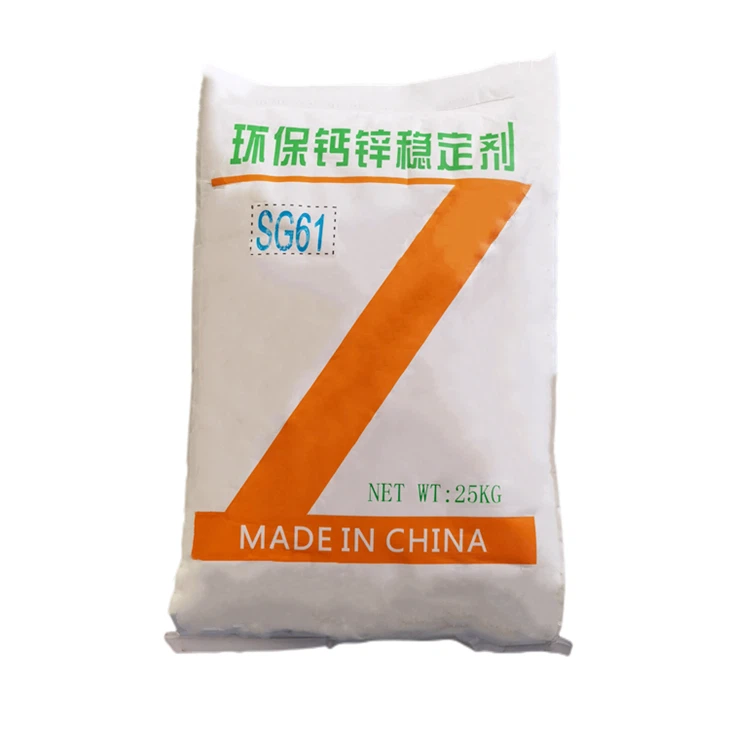
White Powder Lead Stabilizer for PVC Trunking
The White Powder Lead Stabilizer for PVC Trunking is specifically formulated for PVC trunking applications. While it's not strictly for films, it shows the versatility of our lead stabilizers. However, the same principles of heat and chemical stability apply. In PVC films, a similar type of stabilizer can be used to ensure that the film has good electrical insulation properties and is resistant to environmental factors.

Benefits of Using Our PVC Pb Stabilizers in PVC Films
- Improved Heat Resistance: Our stabilizers allow PVC films to be processed at higher temperatures without degrading. This means that manufacturers can use more efficient processing methods and produce films with better properties.
- Enhanced Durability: By preventing the degradation of PVC, our stabilizers extend the lifespan of PVC films. This is especially important for outdoor applications where the films are exposed to sunlight, heat, and moisture.
- Cost - Effectiveness: Using our high - quality stabilizers can reduce the need for re - processing or replacement of PVC films due to degradation. This ultimately saves money for manufacturers and end - users.
How to Choose the Right PVC Pb Stabilizer for Your PVC Films
Choosing the right stabilizer depends on several factors. First, consider the processing conditions. If you're using high - temperature processing methods, you'll need a stabilizer that can withstand those temperatures, like our High Performance Lead Stabilizer.
Next, think about the end - use of the PVC film. If it's for an outdoor application, you'll want a stabilizer that offers good UV resistance and long - term durability. For applications where a slow plasticizing rate is required, our PVC Slow Plasticizing Stabilizer would be a great choice.
Finally, consider the regulatory requirements in your region. While lead stabilizers are widely used, some areas may have restrictions on their use. Make sure to check the local regulations before making a decision.
Contact Us for Your PVC Pb Stabilizer Needs
If you're in the market for high - quality PVC Pb Stabilizers for your PVC films, we're here to help. Our team of experts can assist you in choosing the right stabilizer for your specific needs. Whether you're a small - scale manufacturer or a large - scale industrial producer, we have the products and knowledge to support you.
Don't hesitate to reach out to us to start a conversation about your PVC stabilizer requirements. We're looking forward to working with you to create the best PVC films possible.
References
- "Plastics Additives Handbook" by Hans Zweifel
- "Polyvinyl Chloride (PVC): Properties, Processing, and Applications" by various authors