

Hey there! I'm an AC foaming agent supplier, and I've seen firsthand how crucial it is to store this stuff properly. If you don't, you can end up with a foaming agent that's lost its oomph or, even worse, become a safety hazard. So, in this blog, I'm gonna share some tips on how to store AC foaming agent like a pro.
Why Proper Storage Matters
First off, let's talk about why proper storage is such a big deal. AC foaming agent is a chemical compound that's used to create foam in a variety of applications, like MPP Power Cable Protection Tube Blowing Agent, Foaming Agent For Microfoam Skirting Line, and MPP Power Pipe Foaming Masterbatch. It's sensitive to factors like temperature, humidity, and light, and if it's not stored correctly, these factors can cause it to break down or react with other substances.
When an AC foaming agent breaks down, it can lose its ability to produce foam effectively. This means you might not get the desired results in your manufacturing process, which can lead to wasted time, materials, and money. Additionally, a degraded foaming agent can potentially release harmful gases or cause other safety issues, so it's not something to take lightly.
Temperature Control
One of the most important aspects of storing AC foaming agent is temperature control. Most AC foaming agents have a recommended storage temperature range, and it's crucial to keep them within this range. Generally, AC foaming agents should be stored in a cool, dry place.
High temperatures can cause the foaming agent to decompose more quickly. This is because heat can speed up chemical reactions, and the decomposition of the foaming agent can lead to a loss of its foaming properties. On the other hand, extremely low temperatures can cause the foaming agent to solidify or become more viscous, which can also affect its performance.
I'd recommend storing AC foaming agent in a storage facility with climate control. If you don't have access to a climate-controlled storage area, try to find a place that's shaded from direct sunlight and has good ventilation. Avoid storing the foaming agent near sources of heat, like heaters or industrial equipment that generates a lot of heat.
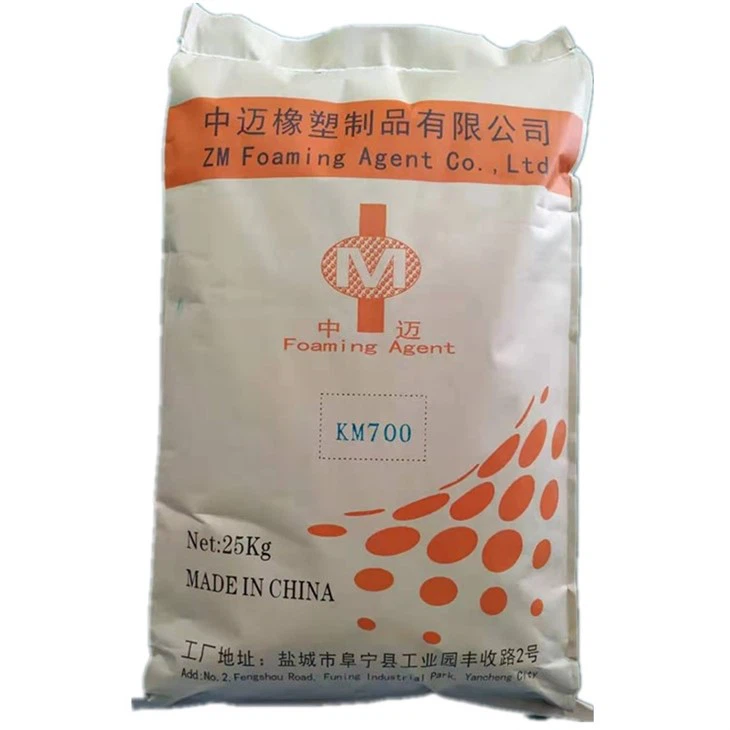

Humidity Management
Humidity is another factor that can have a big impact on the quality of AC foaming agent. Moisture can cause the foaming agent to clump together or react with other substances, which can affect its performance. To prevent this, it's important to store the foaming agent in a dry environment.
You can use dehumidifiers in your storage area to keep the humidity levels in check. Also, make sure the containers holding the foaming agent are tightly sealed to prevent moisture from getting in. If you notice any signs of moisture inside the container, like condensation or clumping, it's a good idea to take action immediately. You might need to transfer the foaming agent to a new, dry container or take steps to dry out the existing container.
Light Exposure
Light, especially ultraviolet (UV) light, can also cause problems for AC foaming agent. UV light can break down the chemical bonds in the foaming agent, leading to a degradation of its properties. To protect the foaming agent from light, store it in opaque containers or in a storage area that's not exposed to direct sunlight.
If you're using clear or translucent containers to store the foaming agent, consider covering them with a light-blocking material, like a black plastic sheet. This can help reduce the amount of light that reaches the foaming agent and extend its shelf life.
Container Selection
The type of container you use to store AC foaming agent is also important. You should choose a container that's made of a material that's compatible with the foaming agent. For example, some foaming agents can react with certain plastics or metals, so it's important to do your research and select the right container.
The container should also be able to withstand the recommended storage conditions. It should be airtight to prevent moisture and air from getting in, and it should be strong enough to prevent leaks or spills. Make sure the container has a secure lid or closure to keep the foaming agent safely inside.
Handling and Transportation
Proper handling and transportation are also key to ensuring the quality of AC foaming agent during storage. When moving the foaming agent, be careful not to shake or jostle the containers too much. Rough handling can cause the foaming agent to separate or react with itself, which can affect its performance.
During transportation, make sure the containers are properly secured to prevent them from tipping over or getting damaged. If you're transporting the foaming agent over long distances, consider using insulated or climate-controlled transport vehicles to maintain the recommended temperature and humidity levels.
Labeling and Organization
Labeling your AC foaming agent containers is a simple but important step. Clearly label each container with the name of the foaming agent, the date of receipt, and any other relevant information, like the batch number. This can help you keep track of the age of the foaming agent and ensure that you're using the oldest stock first.
Organize your storage area in a way that makes it easy to access the foaming agent. Keep similar products together and arrange them in a logical order. This can save you time when you need to retrieve the foaming agent for use in your manufacturing process.
Regular Inspections
It's a good idea to conduct regular inspections of your stored AC foaming agent. Check for any signs of damage to the containers, such as cracks or leaks. Look for changes in the appearance of the foaming agent, like discoloration, clumping, or a change in texture. If you notice any of these signs, it could indicate that the foaming agent has been compromised, and you should take appropriate action.
You might also want to test the foaming agent periodically to ensure that it's still performing as expected. There are various tests you can do, depending on the specific application of the foaming agent. These tests can help you catch any issues early and take steps to address them before they cause problems in your manufacturing process.
Conclusion
Storing AC foaming agent properly is essential for maintaining its quality and performance. By following these tips on temperature control, humidity management, light exposure, container selection, handling, transportation, labeling, organization, and regular inspections, you can ensure that your foaming agent stays in top condition.
If you're in the market for high-quality AC foaming agent or have any questions about storage or usage, I'd love to have a chat with you. Feel free to reach out to me for more information and to discuss your specific needs. We can work together to find the best solutions for your manufacturing process.
References
- Chemical Safety Guidelines for Industrial Chemicals
- Manufacturer's Recommendations for AC Foaming Agent Storage