

Hey there! As a PVC stabilizer supplier, I've been in the game for quite a while, and I know how crucial it is to test the quality of PVC stabilizers. In this blog, I'll share some practical ways to do just that.
First off, let's understand why testing PVC stabilizer quality is so important. PVC, or polyvinyl chloride, is a widely used plastic in various industries, from construction to automotive. PVC stabilizers are added to PVC to prevent its degradation during processing and use. A poor - quality stabilizer can lead to issues like discoloration, reduced mechanical properties, and shorter product lifespan. So, getting it right is a big deal.
Visual Inspection
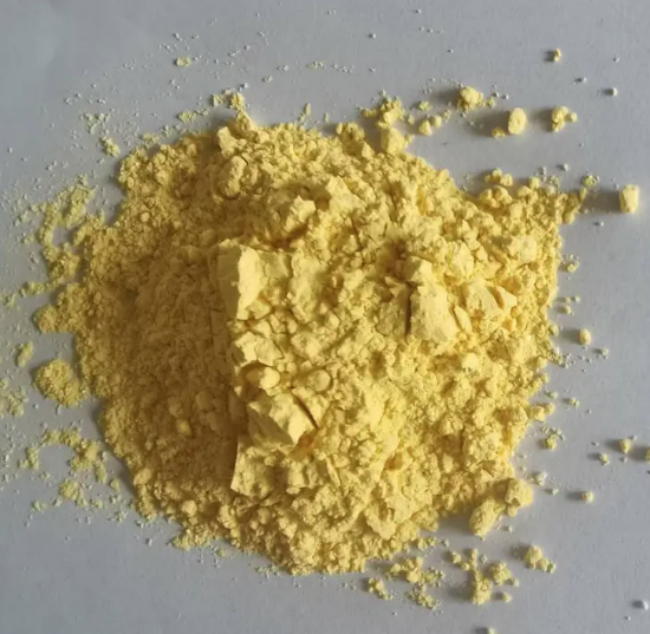
One of the simplest ways to start testing is through visual inspection. When you receive a batch of PVC stabilizers, take a good look at them. Check for any signs of contamination, such as foreign particles or discoloration. A high - quality PVC stabilizer should have a consistent color and texture. If you notice any clumps or an off - color, it could be a red flag.
For example, if you're used to seeing a pure white powder for a particular type of stabilizer and you get a batch that has a yellowish tint, something might be off. This could be due to improper storage or a problem in the manufacturing process.
Thermal Stability Testing
Thermal stability is a key property of PVC stabilizers. PVC is processed at high temperatures, and the stabilizer needs to keep it from breaking down. One common method for testing thermal stability is the Congo Red test.
In this test, a small sample of PVC with the stabilizer is heated in a test tube. A strip of Congo Red paper is placed at the top of the tube. As the PVC degrades, it releases hydrogen chloride gas. The hydrogen chloride reacts with the Congo Red paper, changing its color from red to blue. The time it takes for this color change to occur is an indication of the thermal stability of the PVC - stabilizer system. The longer it takes, the better the stabilizer is at preventing degradation.
Another way to test thermal stability is through dynamic thermal stability testing. This involves using a torque rheometer. The PVC and stabilizer are mixed in the rheometer and heated while the torque (resistance to mixing) is measured over time. A good stabilizer will keep the torque relatively stable for a longer period, indicating that the PVC is not degrading rapidly.
Color Stability Testing
Color is an important aspect of PVC products. No one wants a white PVC window frame to turn yellow over time. To test color stability, we can use accelerated aging tests.
One such test is the xenon arc lamp test. In this test, samples of PVC with the stabilizer are exposed to a xenon arc lamp, which simulates sunlight. The samples are checked at regular intervals for any color changes. A high - quality stabilizer will help the PVC maintain its original color for a long time.
We can also use a simple oven aging test. The PVC samples are placed in an oven at a specific temperature for a set period. After that, we compare the color of the aged samples with the original ones. If there's a significant color difference, the stabilizer might not be doing its job well.
Compatibility Testing
PVC stabilizers need to be compatible with other additives in the PVC formulation. For example, if you're using a PVC Coating Foaming Agent PVC Coating Foaming Agent, the stabilizer should work well with it.
To test compatibility, we can make small batches of PVC with different combinations of additives and the stabilizer. Then, we check for any signs of phase separation, such as the formation of distinct layers or the appearance of haze. If there's a problem with compatibility, it can affect the mechanical properties and the overall quality of the PVC product.
Mechanical Property Testing
The mechanical properties of PVC products are also affected by the quality of the stabilizer. We can test properties like tensile strength, impact strength, and hardness.
For tensile strength testing, we cut PVC samples into dumbbell - shaped specimens and pull them in a tensile testing machine until they break. The maximum force the sample can withstand before breaking is its tensile strength. A good stabilizer will help maintain the tensile strength of the PVC over time.
Impact strength can be tested using a Charpy or Izod impact tester. A notched PVC sample is struck with a pendulum, and the energy absorbed during the impact is measured. A high - quality stabilizer will help the PVC resist impact better.
Hardness testing can be done using a durometer. The durometer measures the resistance of the PVC to indentation. A stable PVC - stabilizer system should maintain its hardness even after aging.
Heavy Metal Content Testing
Some PVC stabilizers contain heavy metals like lead, cadmium, and mercury. These heavy metals can be harmful to the environment and human health. So, it's important to test the heavy metal content in PVC stabilizers.

We can use techniques like atomic absorption spectroscopy (AAS) or inductively coupled plasma - mass spectrometry (ICP - MS). These methods can accurately measure the amount of heavy metals in the stabilizer. If the heavy metal content exceeds the regulatory limits, the stabilizer is not suitable for use, especially in applications where environmental and health concerns are important.
Cost - Benefit Analysis
When evaluating the quality of PVC stabilizers, it's also important to consider the cost - benefit ratio. A high - quality stabilizer might be more expensive upfront, but it can save money in the long run by reducing product failures and rework.
For example, if a cheaper stabilizer causes a high rate of product rejection due to poor color or mechanical properties, the overall cost can be much higher than using a more expensive but better - performing stabilizer.
Conclusion
Testing the quality of PVC stabilizers is a multi - faceted process. By using a combination of visual inspection, thermal stability testing, color stability testing, compatibility testing, mechanical property testing, and heavy metal content testing, we can get a comprehensive understanding of the quality of a stabilizer.
As a PVC stabilizer supplier, I'm always here to help you choose the right stabilizer for your needs. If you're in the market for PVC stabilizers and want to know more about our products or have any questions about testing, feel free to reach out. We can have a chat and figure out the best solution for your PVC processing requirements.
Let's work together to make sure your PVC products are of the highest quality!
References
- "Plastics Additives Handbook" by Hans Zweifel
- ASTM standards related to PVC testing
- Industry research papers on PVC stabilizer technology