

Is Wire and Cable Stabilizer Affected by Humidity?
As a seasoned supplier of wire and cable stabilizers, I've witnessed firsthand the crucial role these stabilizers play in the performance and longevity of wire and cable products. One question that often arises in our industry is whether wire and cable stabilizers are affected by humidity. In this blog post, I'll delve into this topic, exploring the scientific aspects and practical implications based on our extensive experience in the field.
Understanding Wire and Cable Stabilizers
Before we discuss the impact of humidity, it's essential to understand what wire and cable stabilizers are and why they are used. Wire and cable stabilizers are additives that are incorporated into the polymer materials used in wire and cable insulation and jacketing. Their primary function is to prevent the degradation of the polymer due to various factors such as heat, light, and chemical exposure. By stabilizing the polymer, these additives help maintain the mechanical and electrical properties of the wire and cable over time, ensuring reliable performance in different environments.
There are several types of wire and cable stabilizers, including lead-based, calcium-zinc-based, and organic tin-based stabilizers. Each type has its own set of properties and advantages, and the choice of stabilizer depends on factors such as the specific application, environmental conditions, and regulatory requirements.
The Role of Humidity in Polymer Degradation
Humidity refers to the amount of water vapor present in the air. High humidity levels can have a significant impact on the performance of polymers used in wire and cable applications. Water molecules can penetrate the polymer matrix, causing swelling, plasticization, and hydrolysis. Swelling can lead to dimensional changes in the wire and cable, which may affect its fit and performance. Plasticization can reduce the mechanical strength and hardness of the polymer, making it more susceptible to damage. Hydrolysis, on the other hand, is a chemical reaction in which water breaks down the polymer chains, leading to a loss of molecular weight and a decrease in the polymer's mechanical and electrical properties.
In addition to these direct effects, humidity can also exacerbate the degradation caused by other factors such as heat and oxygen. For example, high humidity can increase the rate of oxidation of the polymer, leading to the formation of carbonyl groups and other degradation products. These degradation products can further weaken the polymer and reduce its resistance to environmental stress.
Impact of Humidity on Wire and Cable Stabilizers
Now, let's discuss how humidity affects wire and cable stabilizers. The impact of humidity on stabilizers depends on several factors, including the type of stabilizer, the chemical composition of the polymer, and the environmental conditions.
- Lead-based stabilizers: Lead-based stabilizers are one of the most commonly used stabilizers in wire and cable applications. They are known for their excellent heat stability and low cost. However, lead-based stabilizers can be affected by humidity, especially in the presence of acidic or alkaline substances. Water can react with lead compounds to form lead hydroxide or other lead salts, which can reduce the effectiveness of the stabilizer and lead to the degradation of the polymer.
- Calcium-zinc-based stabilizers: Calcium-zinc-based stabilizers are a more environmentally friendly alternative to lead-based stabilizers. They are generally less affected by humidity compared to lead-based stabilizers. However, in high humidity environments, calcium-zinc-based stabilizers can absorb water, which can lead to the formation of hydroxide compounds. These hydroxide compounds can react with the polymer or other additives in the formulation, potentially affecting the performance of the wire and cable.
- Organic tin-based stabilizers: Organic tin-based stabilizers are known for their excellent heat and light stability. They are less susceptible to hydrolysis compared to other types of stabilizers, making them a good choice for applications in high humidity environments. However, organic tin-based stabilizers can be expensive, and their use is restricted in some regions due to environmental concerns.
Mitigating the Impact of Humidity
To mitigate the impact of humidity on wire and cable stabilizers, several strategies can be employed:

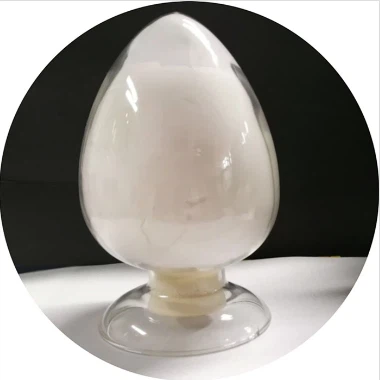
- Proper storage: Wire and cable stabilizers should be stored in a dry environment to prevent moisture absorption. They should be kept in sealed containers and away from sources of water vapor.
- Formulation optimization: The formulation of the wire and cable insulation and jacketing materials can be optimized to improve their resistance to humidity. This can include the use of additives such as moisture scavengers, which can absorb water and prevent it from reacting with the polymer or stabilizer.
- Coating and encapsulation: Applying a protective coating or encapsulation to the wire and cable can help prevent moisture from reaching the polymer and stabilizer. This can be particularly effective in outdoor or high humidity applications.
- Regular maintenance and inspection: Regular maintenance and inspection of wire and cable systems can help detect and address any signs of degradation caused by humidity. This can include checking for signs of swelling, discoloration, or mechanical damage.
Our Product Offerings
At our company, we offer a wide range of wire and cable stabilizers that are designed to provide excellent performance in different environmental conditions, including high humidity environments. Our Soft Sole Stabilizer is a calcium-zinc-based stabilizer that offers good heat and light stability, as well as resistance to humidity. It is suitable for use in a variety of wire and cable applications, including soft sole products.
Our Stabilizer For Vesicle Products is another high-quality stabilizer that is specifically designed for use in vesicle products. It provides excellent stability and performance, even in high humidity environments.
In addition, we also offer Stabilizers That Can Replace Organotin. These stabilizers offer a more environmentally friendly alternative to organotin-based stabilizers, while still providing excellent heat and light stability.
Conclusion
In conclusion, humidity can have a significant impact on the performance of wire and cable stabilizers and the overall performance of wire and cable products. The type of stabilizer, the chemical composition of the polymer, and the environmental conditions all play a role in determining the extent of the impact. By understanding the mechanisms of polymer degradation and the behavior of stabilizers in high humidity environments, we can take appropriate measures to mitigate the impact of humidity and ensure the reliable performance of wire and cable systems.
If you are in the market for high-quality wire and cable stabilizers, we invite you to contact us for more information. Our team of experts is ready to assist you in selecting the right stabilizer for your specific application and provide you with the support you need to ensure the success of your project.
References
- Mark, J. E., & Erman, B. (2007). Science and Technology of Rubber. Academic Press.
- Wypych, G. (2012). Handbook of Fillers, Second Edition. ChemTec Publishing.
- Zweifel, H., Maier, H., & Schiller, M. (2012). Plastics Additives Handbook. Hanser Publishers.