

Hey there! I'm a supplier of wall board blowing agents, and I've been diving deep into the industry for quite some time. Today, I want to have a chat about the alternatives to wall board blowing agents. This topic has been getting a lot of buzz lately, especially as more folks are looking for eco - friendly, cost - effective, and high - performance options.
First off, let's understand why we even need alternatives. Traditional wall board blowing agents might have some drawbacks. Some of them can be harmful to the environment, with high global warming potential (GWP). Others might be volatile organic compounds (VOCs), which can affect indoor air quality and pose health risks to us humans. And let's not forget about cost. Sometimes, the regular agents can be pricey, and that's a big concern for both manufacturers and end - users.
One option that's been on the rise is physical blowing agents. These are substances that form gas bubbles in the wall board material through a physical change, like vaporization or expansion. One common physical blowing agent is carbon dioxide (CO₂). CO₂ is non - toxic, non - flammable, and has a very low GWP compared to many of the traditional agents. It's also readily available, which can keep the costs down. You can inject CO₂ into the wall board mixture during the manufacturing process. As the pressure is released, the CO₂ expands, creating those tiny bubbles that give the wall board its lightweight and insulating properties. However, one drawback of using CO₂ is that it can be tricky to control the bubble size and distribution. If the bubbles are too big or unevenly distributed, it can affect the overall quality of the wall board.
Another physical blowing agent you might consider is water. Yeah, you heard me right, good old H₂O! Water can be used, especially in foamed gypsum wall boards. When water is added to the gypsum mixture, it reacts with the calcium sulfate hemihydrate in the gypsum, producing heat. This heat causes the water to evaporate and turn into steam, which acts as a blowing agent. One of the best things about using water is that it's completely safe and eco - friendly. It's also extremely cheap. But the catch is that the process requires careful control of temperature and humidity. If the conditions aren't right, the wall board can end up with defects, like cracking or uneven density.
Now, let's talk about chemical blowing agents. These are substances that decompose and release gas when heated. One chemical blowing agent alternative to the traditional wall board ones is azodicarbonamide - based agents. They decompose to release nitrogen gas, which is inert and doesn't contribute to ozone depletion or global warming as much as some other gases.
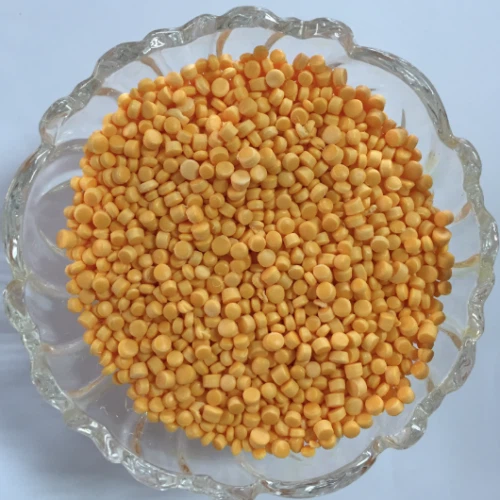
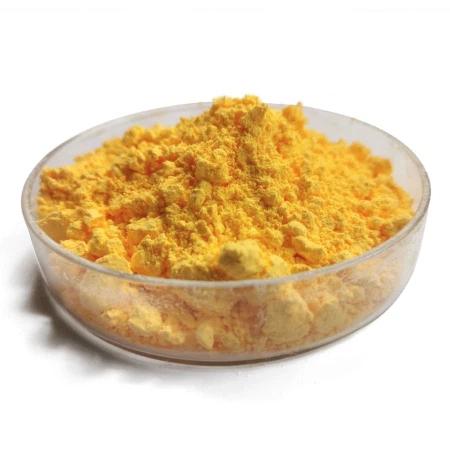
For more specific types of blowing agents that you might find useful in different applications within the wall board and related industries, check out MPP Power Pipe Foaming Masterbatch. This is great for power pipe applications where you need a well - controlled foaming process. Also, PVC Foam Frame Powder Blowing Agent is ideal if you're working on PVC foam frames. And if you're looking for a more standard option, take a look at Conventional Style AC Blowing Agent.
Biodegradable blowing agents are also a super interesting alternative. These are agents made from natural or renewable resources. For example, some agents are derived from plant - based materials. They break down over time in the environment, reducing their long - term impact. They can also be a great selling point for eco - conscious consumers. But currently, the technology for biodegradable blowing agents is still in its early stages. There are some challenges in terms of scalability and ensuring consistent performance.
Another approach to consider is mechanical foaming. Instead of using chemical or physical blowing agents, you can use mechanical means to introduce air into the wall board mixture. You can use special equipment, like high - speed mixers or foam generators, to create a stable foam. Mechanical foaming can be a very clean and simple process. It doesn't require the use of any additional chemicals, which means you can avoid the environmental and health risks associated with some agents. However, the foam created through mechanical means might not be as stable or uniform as the ones from chemical or physical agents. You need to have the right equipment and expertise to make it work well.
So, what should you choose? Well, it depends on a few factors. If you're really focused on the environment, then CO₂, water, or biodegradable blowing agents might be your top picks. But if cost - effectiveness is your main concern, water and mechanical foaming could be the way to go. And if you need a high - performance, well - controlled foaming process, chemical blowing agents might still be the best option.
It's important to do your own testing and research. Work closely with your suppliers and manufacturers to understand the pros and cons of each alternative. You should also keep an eye on emerging technologies in the field. The blowing agent industry is constantly evolving, and new and better alternatives are likely to come out in the future.
If you're in the market for wall board blowing agents or interested in exploring these alternatives, I'd love to have a chat with you. Whether you're a manufacturer looking for a more sustainable option or a contractor wanting to offer better products to your clients, I can help you find the right solution. Reach out and let's start a conversation about how we can meet your needs, and you can share any requirements you may have to see if we can achieve the best results together.
References:
- Industry reports on wall board manufacturing
- Scientific studies on blowing agents and their alternatives
- Publications on sustainable construction materials