

Hey there! As a supplier of PVC Ca Zn stabilizer, I've seen firsthand how humidity can mess with these stabilizers. In this blog, I'll break down the effects of humidity on PVC Ca Zn stabilizer, and why it's super important for you to understand this if you're in the PVC business.
Let's start with the basics. PVC Ca Zn stabilizer is a key ingredient in PVC products. It helps to keep the PVC stable, especially when it's being processed at high temperatures. Without a good stabilizer, PVC can break down, change color, or lose its mechanical properties. But humidity can throw a wrench in this whole process.
One of the most immediate effects of humidity on PVC Ca Zn stabilizer is the absorption of moisture. These stabilizers are often in a powder or granular form, and they can easily soak up water from the air. When this happens, the stabilizer particles can clump together. Imagine you've got a bag of sugar that's been left open in a humid room. It goes from nice, free - flowing granules to big, sticky lumps. The same thing can happen to PVC Ca Zn stabilizer.
These clumps are a big problem during the manufacturing process. In a PVC production line, the stabilizer needs to be evenly mixed with the PVC resin. If it's clumped up, it won't disperse properly. This uneven distribution can lead to inconsistent quality in the final PVC products. Some parts of the product might have too much stabilizer, while other parts might not have enough. And that can affect everything from the product's appearance to its performance.
Another issue is the chemical reaction that can occur when the stabilizer absorbs moisture. The Ca Zn stabilizer contains various chemical components that are designed to work in a dry environment. When water gets in, it can trigger unwanted chemical reactions. For example, some of the metal salts in the stabilizer might start to hydrolyze. This hydrolysis can change the chemical structure of the stabilizer, reducing its effectiveness.
Once the stabilizer's effectiveness is reduced, the PVC product becomes more vulnerable during processing and in its final use. During processing, the PVC might start to degrade more quickly at high temperatures. You might see discoloration, like yellowing or darkening of the PVC. And in the long - term, the product might become more brittle, have a shorter lifespan, or be more prone to environmental damage.
Now, let's talk about how humidity affects different types of PVC products that use our Ca Zn stabilizer.
For Product Brighter Stabilizer, which is often used in applications where a bright and clear appearance is crucial, humidity can be a real headache. If the stabilizer clumps or loses its effectiveness due to moisture, the PVC product might end up with a hazy or dull look. This is a big no - no in industries like packaging or consumer goods, where the visual appeal of the product is a major selling point.
PVC Artificial Leather Stabilizer is another important product in our lineup. PVC artificial leather needs to be soft, flexible, and durable. Humidity - affected stabilizer can lead to a loss of flexibility in the leather. It might become stiff and crack over time. This is a huge issue for industries that use PVC artificial leather in furniture, automotive interiors, or fashion items.
And then there's SPC Floor Composite Material Additives. SPC floors need to be strong, stable, and resistant to wear and tear. If the Ca Zn stabilizer is compromised by humidity, the floors might not have the same level of stability. They could warp or buckle more easily, which is a nightmare for installers and end - users alike.
So, what can you do to protect your PVC Ca Zn stabilizer from humidity? First of all, proper storage is key. Keep the stabilizer in a dry, cool place. Use sealed containers or bags to prevent moisture from getting in. If you're in a particularly humid area, you might even want to use desiccants in the storage area. These are materials that can absorb moisture from the air, helping to keep the environment around the stabilizer dry.
During the manufacturing process, it's also important to control the humidity in the production area. You can use dehumidifiers to keep the air dry. And make sure to use the stabilizer as soon as possible after opening the package. The longer it's exposed to the air, the more likely it is to absorb moisture.
If you're still having issues with humidity affecting your PVC products, don't hesitate to reach out. As a supplier, we've got a lot of experience dealing with these problems. We can offer you advice on storage, handling, and even recommend products that are more resistant to humidity.

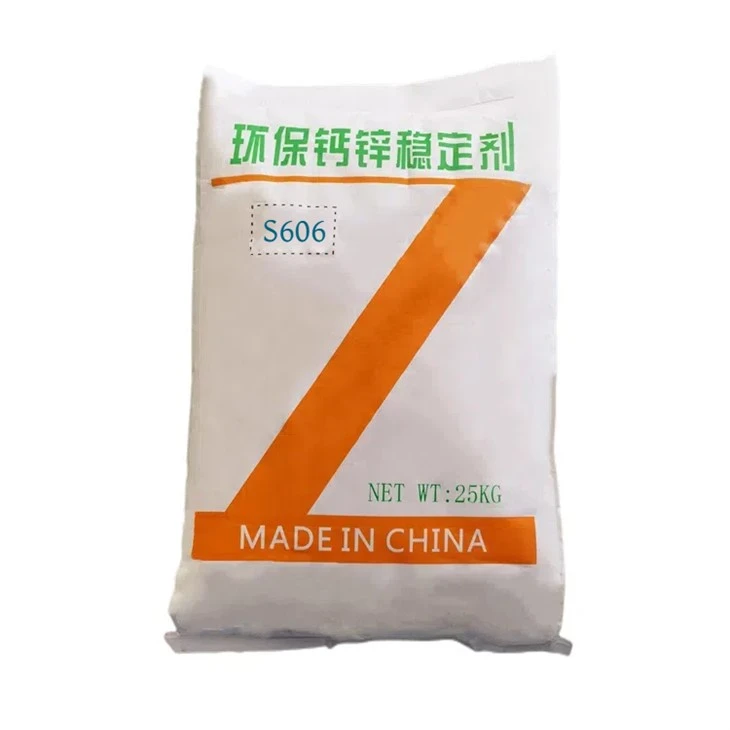
If you're in the market for high - quality PVC Ca Zn stabilizer, or if you want to learn more about how to deal with humidity - related issues, we're here to help. Whether you're a small - scale manufacturer or a large industrial company, we can provide you with the right products and support. Just get in touch with us, and we'll start a conversation about how we can work together to ensure the success of your PVC production.
References
- "Plastics Additives Handbook" by Hans Zweifel. This book provides in - depth information about different types of plastic additives, including PVC stabilizers, and how environmental factors can affect them.
- Industry research papers on PVC processing and the impact of humidity on plastic additives. These papers can be found in scientific databases and are written by experts in the field.