

In recent years, the Wood - Plastic Composite (WPC) industry has witnessed significant growth, driven by its wide - ranging applications in construction, automotive, and consumer goods sectors. As a leading WPC Blowing Agent supplier, we are at the forefront of observing and participating in the latest research and development trends in this field.
1. Environmental Sustainability
One of the most prominent trends in the research and development of WPC blowing agents is the increasing focus on environmental sustainability. Traditional blowing agents often contain chemicals that can be harmful to the environment and human health. For example, some chlorofluorocarbons (CFCs) and hydrochlorofluorocarbons (HCFCs) were once widely used but are now restricted due to their ozone - depleting properties.
In response, researchers are actively exploring alternative blowing agents that are more environmentally friendly. Bio - based blowing agents are emerging as a promising solution. These agents are derived from renewable resources such as plant oils, starches, and sugars. They have a lower carbon footprint compared to their petroleum - based counterparts. For instance, some bio - based blowing agents can be produced through fermentation processes, which significantly reduce the reliance on fossil fuels.
Another aspect of environmental sustainability is the reduction of volatile organic compounds (VOCs) in blowing agents. High levels of VOCs can cause indoor air pollution and have negative impacts on human health. Newer WPC blowing agents are being developed to have low or zero VOC emissions, making them more suitable for indoor applications such as furniture and interior decoration. As a supplier, we are committed to providing environmentally friendly WPC blowing agents to meet the growing demand from eco - conscious customers.
2. High - Performance Blowing Agents
In addition to environmental concerns, there is a continuous demand for high - performance blowing agents in the WPC industry. High - performance blowing agents can improve the physical and mechanical properties of WPC products. For example, they can enhance the foam structure, resulting in better insulation, soundproofing, and mechanical strength.
One area of research is the development of blowing agents with a narrow decomposition temperature range. A narrow decomposition temperature range allows for more precise control of the foaming process, which is crucial for achieving consistent product quality. By carefully selecting and formulating blowing agents, manufacturers can produce WPC foams with uniform cell sizes and densities.
Moreover, researchers are working on developing blowing agents that can provide high expansion ratios. A higher expansion ratio means that less raw material is needed to produce a given volume of foam, which can reduce production costs and improve the efficiency of the manufacturing process. Our company is dedicated to researching and supplying high - performance blowing agents that can meet the strict requirements of various WPC applications.
3. Compatibility with Different Polymers
WPCs are composed of a mixture of wood fibers and polymers. Different polymers have different chemical and physical properties, which can affect the performance of blowing agents. Therefore, developing blowing agents that are compatible with a wide range of polymers is an important research direction.
For example, some WPCs use polyvinyl chloride (PVC) as the polymer matrix. In this case, PVC Soft Foam Agent For White Plastic is a specialized blowing agent that is designed to work well with PVC. It can produce fine - celled foams with excellent softness and whiteness, making it ideal for applications such as white plastic products.
On the other hand, synthetic leather is another important application of WPCs. Synthetic Leather Blowing Agent is formulated to be compatible with the polymers used in synthetic leather production. It can create a uniform foam structure that mimics the texture and feel of natural leather.
Similarly, for snow boards, which require high - performance materials, AC Foaming Agent For Snow Board is developed to be compatible with the specific polymers used in snow board manufacturing. It can provide the necessary mechanical strength and light weight for snow boards.
4. Processability and Cost - Effectiveness
The processability of blowing agents is also a key consideration in research and development. Blowing agents should be easy to handle, mix, and disperse in the WPC matrix. They should also be able to work well with existing manufacturing equipment without requiring significant modifications.
In addition, cost - effectiveness is an important factor for manufacturers. Developing blowing agents that can provide high performance at a reasonable cost is essential for the competitiveness of the WPC industry. Researchers are exploring ways to optimize the formulation of blowing agents to reduce production costs without sacrificing performance. For example, by using more cost - effective raw materials or improving the production process, the overall cost of blowing agents can be reduced.

As a WPC blowing agent supplier, we understand the importance of processability and cost - effectiveness. We strive to develop products that are easy to use and offer excellent value for money to our customers.

5. Customization for Specific Applications
The WPC industry has a wide range of applications, each with its own unique requirements. Therefore, there is a growing trend towards the customization of blowing agents for specific applications.

For example, in the construction industry, WPC products are often used for exterior cladding, decking, and fencing. These applications require blowing agents that can provide good weather resistance, UV stability, and mechanical strength. In contrast, in the automotive industry, WPC parts need to be lightweight, have good acoustic properties, and meet strict safety standards.
By working closely with our customers, we can develop customized blowing agents that are tailored to their specific needs. This not only helps our customers to improve the performance of their products but also enhances their competitiveness in the market.
Conclusion
The research and development of WPC blowing agents are evolving rapidly, driven by factors such as environmental sustainability, high - performance requirements, polymer compatibility, processability, and customization. As a leading supplier of WPC blowing agents, we are constantly investing in research and development to stay ahead of these trends.
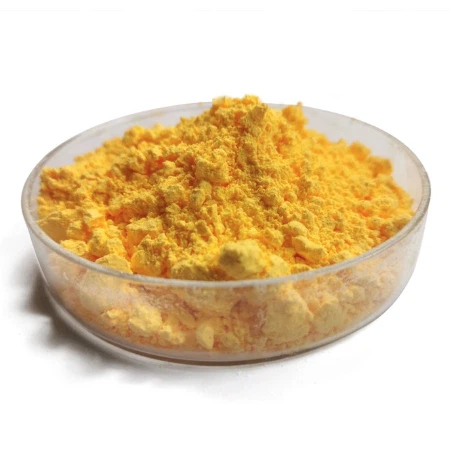
We are committed to providing our customers with high - quality, environmentally friendly, and cost - effective blowing agents. Whether you are in the construction, automotive, or consumer goods industry, we have the expertise and products to meet your needs. If you are interested in our WPC blowing agents or would like to discuss your specific requirements, please feel free to contact us for procurement and negotiation.
References
- "Advances in Foaming Agents for Polymer Composites" - Journal of Polymer Science
- "Environmental Impact of Blowing Agents in the WPC Industry" - Environmental Science and Technology
- "High - Performance Blowing Agents for Wood - Plastic Composites" - Composites Science and Technology