

In the dynamic landscape of the PVC industry, PVC stabilizers play a crucial role in enhancing the performance and durability of PVC products. As a dedicated PVC stabilizer supplier, understanding effective marketing strategies is essential to stand out in the market, attract customers, and drive business growth. In this blog post, I will delve into various marketing strategies that can be employed to promote PVC stabilizers effectively.
1. Market Research and Targeting
Before implementing any marketing strategy, it is vital to conduct thorough market research. This involves understanding the current market trends, customer needs, and competitive landscape. By analyzing market data, we can identify potential target segments and tailor our marketing efforts accordingly.
For instance, different industries have varying requirements for PVC stabilizers. The construction industry may demand stabilizers with high heat resistance and weatherability for outdoor applications, while the packaging industry may prioritize food - grade stabilizers. By segmenting the market based on industry, application, and customer size, we can create targeted marketing campaigns that resonate with specific customer groups.
2. Product Differentiation
In a competitive market, product differentiation is key to attracting customers. Our PVC stabilizers should offer unique features and benefits compared to competitors' products. This could include superior performance, better environmental friendliness, or cost - effectiveness.
For example, we can develop stabilizers that are free from heavy metals, meeting the growing demand for environmentally friendly products. By highlighting these unique selling points (USPs) in our marketing materials, such as brochures, websites, and product catalogs, we can effectively communicate the value of our products to potential customers.
3. Content Marketing
Content marketing is an effective way to establish thought leadership in the PVC stabilizer industry and build trust with customers. We can create valuable content such as blog posts, whitepapers, case studies, and videos that provide in - depth information about PVC stabilizers, their applications, and industry trends.
For example, a blog post titled "The Role of PVC Stabilizers in Sustainable Construction" can educate customers about how our stabilizers contribute to sustainable building practices. By sharing this content on our website, social media platforms, and industry forums, we can attract organic traffic and engage with potential customers. Additionally, whitepapers can be used as lead - generation tools by offering them in exchange for contact information.
4. Social Media Marketing
Social media platforms provide a powerful channel to reach a wide audience and build brand awareness. We can use platforms such as LinkedIn, Twitter, and Facebook to share industry news, product updates, and educational content.
On LinkedIn, we can join relevant industry groups and participate in discussions to establish our brand as an authority in the PVC stabilizer field. Twitter can be used to share quick updates and engage with customers in real - time. Facebook can be a platform for sharing visually appealing content, such as product images and videos.
Moreover, social media advertising can be used to target specific demographics and interests. For example, we can run targeted ads on LinkedIn to reach decision - makers in the PVC manufacturing industry.
5. Trade Shows and Exhibitions
Participating in trade shows and exhibitions is an excellent opportunity to showcase our PVC stabilizers to a large number of potential customers in person. We can set up an attractive booth, display our products, and conduct product demonstrations.
Trade shows also provide a platform for networking with industry professionals, competitors, and potential partners. By engaging in face - to - face conversations, we can build relationships, understand customer needs better, and generate leads.
For example, at a major PVC industry trade show, we can offer free samples of our stabilizers to visitors and provide detailed information about their performance and applications.
6. Customer Relationship Management (CRM)
A strong CRM system is essential for managing customer relationships effectively. By collecting and analyzing customer data, we can understand their purchasing behavior, preferences, and feedback.
We can use this information to personalize our marketing communications, offer targeted promotions, and provide excellent customer service. For example, sending personalized emails to customers on their birthdays or anniversary of their first purchase can enhance customer loyalty.
7. Strategic Partnerships
Forming strategic partnerships with other companies in the PVC value chain can expand our market reach and enhance our product offerings. For example, we can partner with PVC resin manufacturers to co - develop new products or with PVC product manufacturers to provide integrated solutions.
These partnerships can also help us access new distribution channels and gain credibility in the market. By leveraging the resources and expertise of our partners, we can create mutually beneficial opportunities for growth.
8. Online Advertising
Online advertising channels such as search engine marketing (SEM) and display advertising can be used to increase brand visibility and drive traffic to our website. With SEM, we can bid on relevant keywords related to PVC stabilizers so that our ads appear at the top of search engine results pages (SERPs).
Display advertising can be used to target potential customers based on their browsing behavior and interests. For example, we can display banner ads on industry - related websites to reach a specific audience.
9. Product Certification and Standards
Obtaining relevant product certifications and adhering to industry standards can enhance the credibility of our PVC stabilizers. Certifications such as ISO 9001 for quality management and REACH compliance for environmental safety can give customers confidence in our products.
We should prominently display these certifications on our website, product packaging, and marketing materials. This can be a significant selling point, especially for customers who are more conscious about product quality and environmental impact.
10. Customer Testimonials and Referrals
Positive customer testimonials and referrals are powerful marketing tools. We can encourage satisfied customers to share their experiences and feedback. These testimonials can be featured on our website, social media pages, and marketing brochures.
Referral programs can also be implemented to incentivize existing customers to refer new customers. For example, offering a discount on their next purchase for each successful referral can motivate customers to spread the word about our PVC stabilizers.
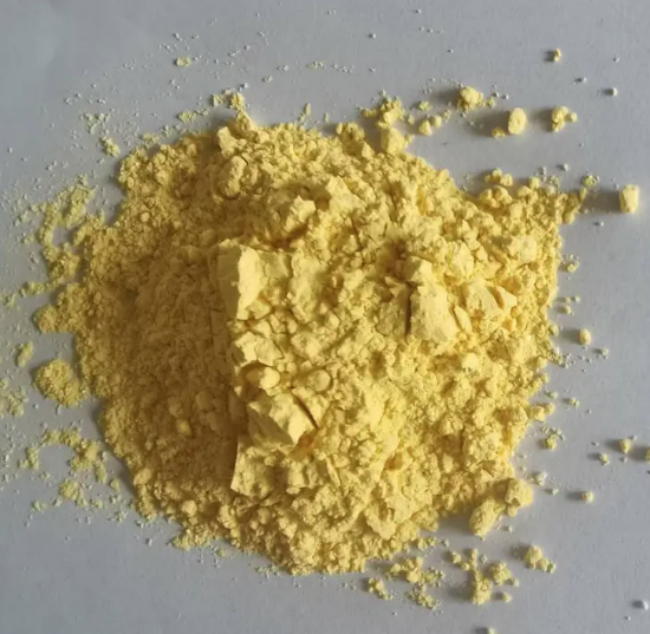
In addition to these strategies, we can also promote our PVC Coating Foaming Agent, which is an important product in our portfolio. By highlighting its unique features and benefits in our marketing campaigns, we can attract customers who are looking for high - quality foaming agents for PVC coatings.
In conclusion, implementing a comprehensive marketing strategy is essential for a PVC stabilizer supplier to succeed in the competitive market. By combining these strategies and continuously adapting to market changes, we can increase brand awareness, generate leads, and drive sales. If you are interested in our PVC stabilizers or PVC Coating Foaming Agent, please feel free to contact us to discuss your specific requirements and explore potential business opportunities.

References
- Kotler, P., & Armstrong, G. (2019). Principles of Marketing. Pearson.
- Jobber, D., & Ellis - Chadwick, F. (2012). Principles and Practice of Marketing. McGraw - Hill Education.