

Hey there! As a supplier of PVC Foam Pipe Foaming Agent, I've seen firsthand the importance of safety when working with these products. In this blog, I'm gonna share some key safety precautions you should take when using PVC foam pipe foaming agents.
Understanding the Foaming Agent
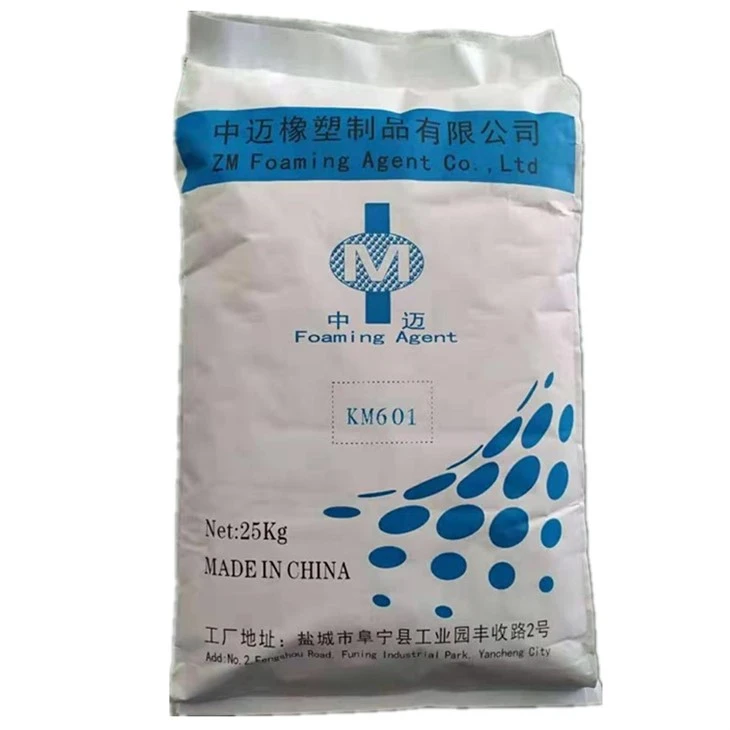
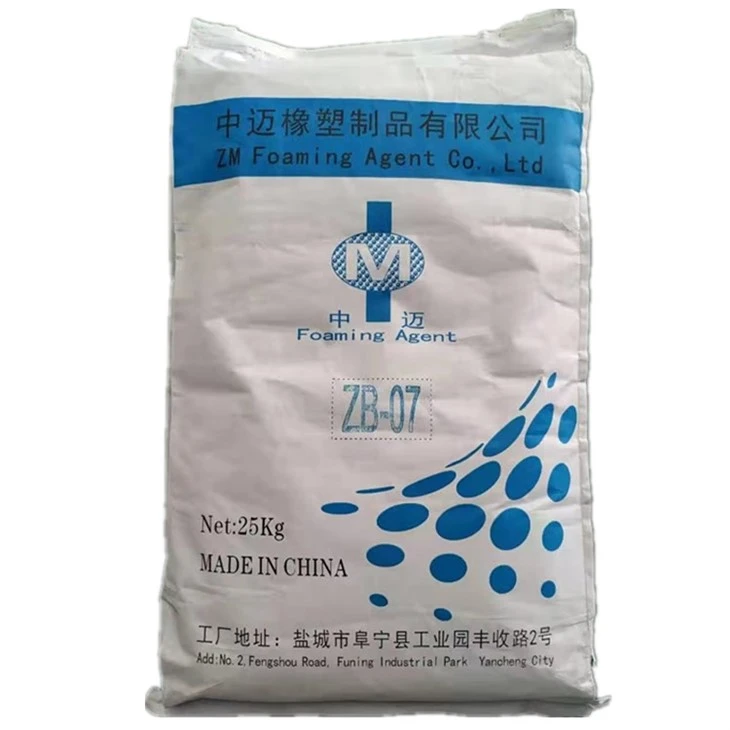
First off, let's get a bit of background. PVC foam pipe foaming agents are used to create a cellular structure in PVC pipes, making them lighter, more insulating, and cost - effective. There are different types out there, like the White Particle Foaming Agent. This one is known for its environmental - friendliness and its ability to produce high - quality foam in PVC pipes.
Storage Safety
Proper storage is crucial. You should store the foaming agent in a cool, dry place. High temperatures can cause the agent to decompose prematurely, which not only affects its performance but can also be dangerous. For example, if it decomposes rapidly, it might release gases in an uncontrolled way.
Keep the agent away from direct sunlight and sources of heat. Also, make sure the storage area is well - ventilated. If there are any leaks or spills, the fumes can build up in a poorly ventilated space, posing a health risk. And of course, store the agent in its original, sealed containers. This helps to prevent contamination and keeps the product stable.
Handling Precautions
When handling the PVC foam pipe foaming agent, always wear appropriate personal protective equipment (PPE). This includes gloves, safety goggles, and a dust mask. The agent can be an irritant to the skin, eyes, and respiratory system. Gloves will protect your hands from direct contact, and safety goggles will prevent any particles from getting into your eyes. A dust mask is essential to avoid inhaling any fine particles.
Be careful when pouring or transferring the foaming agent. Try to do it slowly and steadily to prevent spills. If a spill does occur, clean it up immediately. Use absorbent materials like sand or sawdust to soak up the agent, and then dispose of it properly according to local regulations.
Mixing and Processing
During the mixing process, follow the manufacturer's instructions carefully. The ratio of the foaming agent to the PVC resin is critical. Using too much or too little can lead to poor foam quality or even safety issues. For example, an excessive amount of the agent might cause over - foaming, which can lead to pipe deformation or even bursting during the production process.
Make sure the mixing equipment is clean and in good working condition. Any residue from previous batches can contaminate the new mixture and affect the performance of the foaming agent. Also, during the processing, keep an eye on the temperature and pressure. High temperatures can accelerate the decomposition of the agent, so you need to control the process parameters accurately.
Ventilation
Good ventilation is a must in the production area. When the foaming agent decomposes during the foaming process, it releases gases. These gases can be harmful if inhaled in large quantities. Install proper ventilation systems, such as exhaust fans, to remove the gases from the working area.
Regularly check the ventilation system to ensure it's working effectively. If you notice any strange odors or a build - up of fumes, stop the process immediately and check the ventilation.
Fire and Explosion Safety
PVC foam pipe foaming agents can be flammable or combustible under certain conditions. Keep them away from open flames, sparks, and other sources of ignition. Make sure there are fire extinguishers nearby, and the staff is trained on how to use them.
If you're using electrical equipment in the production area, ensure it's properly grounded and in good condition. Electrical malfunctions can create sparks, which can be a fire hazard.
Training and Education
All employees involved in the handling, mixing, and processing of the PVC foam pipe foaming agent should receive proper training. They need to know about the properties of the agent, the safety precautions, and what to do in case of an emergency.
Regular safety meetings and refresher courses are also a good idea. This helps to keep safety at the forefront of everyone's mind and ensures that new employees are also well - informed.
Other Related Foaming Agents
We also offer other types of foaming agents, like the Particle Blowing Agent For PP Products and the Foam Wall Board NC Foaming Agent. Although they are used for different applications, many of the safety precautions are similar. However, always check the specific safety data sheets for each product to understand their unique characteristics and requirements.
Contact for Purchase
If you're in the market for high - quality PVC foam pipe foaming agents or any of our other foaming products, don't hesitate to reach out. We're here to provide you with the best products and ensure you have all the information you need to use them safely.
References
- General safety guidelines for chemical handling in industrial settings.
- Manufacturer's product manuals and safety data sheets for PVC foam pipe foaming agents.