

Hey there! As a supplier of PVC lead stabilizers, I often get asked about the dosage of PVC lead stabilizer in PVC formulation. It's a crucial topic because getting the dosage right can significantly impact the performance and quality of the final PVC products. So, let's dive into it and figure out what the appropriate dosage should be.
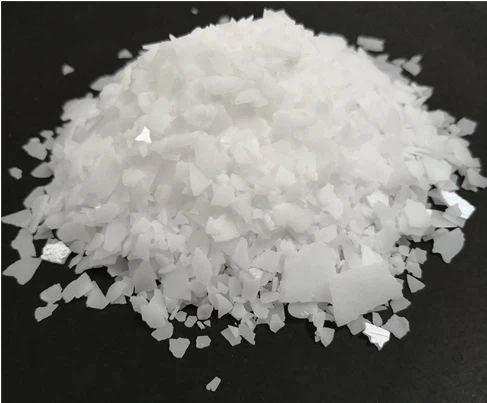

First off, let's understand why we use PVC lead stabilizers in the first place. PVC, or polyvinyl chloride, is a widely used plastic material, but it has a major drawback - it's not very stable when exposed to heat, light, or certain chemicals. That's where lead stabilizers come in. They help to prevent the degradation of PVC, which can lead to discoloration, brittleness, and a loss of mechanical properties. By adding the right amount of lead stabilizer, we can ensure that the PVC products maintain their quality and performance over time.
Now, determining the dosage of PVC lead stabilizer isn't a one - size - fits - all situation. There are several factors that come into play.
Factor 1: Type of PVC Resin
Different types of PVC resins have different characteristics and requirements. For example, suspension PVC and emulsion PVC may need different dosages of lead stabilizer. Suspension PVC is more commonly used in rigid applications like pipes and profiles. It usually requires a relatively lower dosage of lead stabilizer compared to emulsion PVC, which is often used in flexible applications such as cables and flooring. Generally, for rigid suspension PVC, the dosage of lead stabilizer can range from 0.5 to 3 parts per hundred parts of resin (phr). On the other hand, for flexible emulsion PVC, the dosage might be a bit higher, say around 1 to 5 phr.
Factor 2: Processing Conditions
The way the PVC is processed also affects the stabilizer dosage. If the processing involves high temperatures or long processing times, more stabilizer will be needed. For instance, in injection molding, where the PVC is melted and forced into a mold at high pressure, the temperature can be quite high. This means that we need to add more lead stabilizer to protect the PVC from thermal degradation. In contrast, in calendering, where the PVC is passed through a series of rollers at a relatively lower temperature, the dosage of lead stabilizer can be adjusted accordingly.
Factor 3: End - Use Application
The final application of the PVC product is another important factor. If the PVC product is going to be used in an environment with high exposure to sunlight, heat, or chemicals, a higher dosage of lead stabilizer is required. For example, Lead Stabilizer For Wall Panels used in outdoor settings need to have good weather resistance. So, we might increase the dosage of lead stabilizer to ensure that the wall panels don't deteriorate over time. Similarly, PVC products used in industrial applications where they are exposed to harsh chemicals may also need a higher dosage.
Factor 4: Other Additives
The presence of other additives in the PVC formulation can interact with the lead stabilizer and affect its dosage. For example, some lubricants can reduce the effectiveness of the lead stabilizer, so we may need to increase the dosage. On the other hand, certain antioxidants can work synergistically with the lead stabilizer, allowing us to use a lower dosage.
Let's take a look at some common PVC applications and the typical dosages of lead stabilizer:
PVC Pipes
PVC pipes are widely used for water supply, drainage, and sewer systems. For rigid PVC pipes, the dosage of lead stabilizer is usually around 1 - 2 phr. This dosage helps to prevent the pipes from degrading during the extrusion process and also ensures their long - term durability in the ground or above - ground installations.
PVC Profiles
Profiles are used in window frames, door frames, and other architectural applications. The dosage of lead stabilizer for PVC profiles is similar to that of pipes, around 1 - 2 phr. This helps the profiles to maintain their shape, color, and mechanical properties over time, even when exposed to different weather conditions.
PVC Cables
In the case of PVC cables, the dosage of lead stabilizer can be a bit higher, around 2 - 4 phr. Cables are often exposed to heat generated by the electrical current flowing through them, as well as environmental factors. A higher dosage of lead stabilizer is needed to protect the PVC insulation from degradation and to ensure the safety and reliability of the cables.
PVC Flooring
For PVC flooring, the dosage of lead stabilizer depends on whether it's a rigid or flexible flooring. Rigid PVC flooring may require 1 - 2 phr, while flexible PVC flooring can need 2 - 5 phr. This helps the flooring to resist wear and tear, as well as maintain its appearance and flexibility over time.
Now, as a supplier of High Performance Lead Stabilizer and PVC Pb Stabilizer, I understand that finding the right dosage can be a bit tricky. That's why we offer technical support to our customers. Our team of experts can help you determine the optimal dosage of lead stabilizer based on your specific PVC formulation, processing conditions, and end - use application.
If you're in the market for PVC lead stabilizers and want to discuss the right dosage for your products, don't hesitate to reach out. We can have a detailed conversation about your requirements and come up with a customized solution. Whether you're a small - scale manufacturer or a large - scale industrial producer, we're here to help you get the most out of your PVC formulations.
In conclusion, the dosage of PVC lead stabilizer in PVC formulation is a complex but important aspect. By considering factors such as the type of PVC resin, processing conditions, end - use application, and other additives, we can determine the appropriate dosage to ensure the best performance and quality of the PVC products. So, if you're looking for high - quality PVC lead stabilizers and need guidance on dosage, just give us a shout.
References
- "Handbook of PVC Formulating" by Edward J. Wickson
- "Plastics Additives: An A - Z Reference" by Geoffrey Pritchard