

Hey there! As a supplier of WPC (Wood - Plastic Composite) blowing agents, I've been getting a lot of questions lately about how these agents affect the viscosity of the polymer melt. So, I thought I'd sit down and share some insights on this topic.
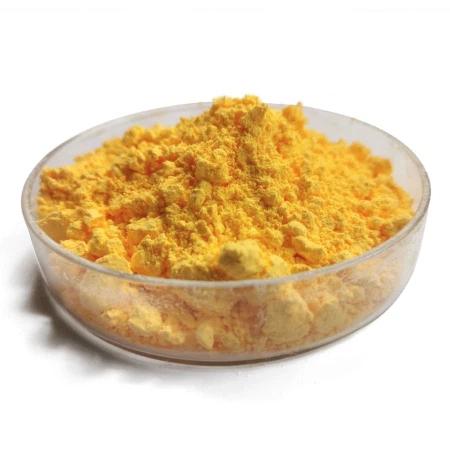
First off, let's quickly cover what WPC blowing agents are. These are substances that are added to the polymer - wood mixture in the WPC manufacturing process. When heated, they decompose and release gas, which creates a foamed structure in the composite. This foaming not only reduces the weight of the final product but also can improve its insulation properties and other characteristics.

Now, onto the main question: what's the effect of WPC blowing agents on the viscosity of the polymer melt?
1. Viscosity Basics
Before we dive into the effects, let's understand what viscosity is. Viscosity is basically a measure of a fluid's resistance to flow. In the context of polymer melts, a high - viscosity melt is thick and flows slowly, while a low - viscosity melt is thin and flows more easily. The viscosity of a polymer melt is influenced by several factors, including temperature, molecular weight, and the presence of additives.
2. How Blowing Agents Affect Viscosity
2.1 Gas Release and Viscosity Reduction
One of the primary ways WPC blowing agents affect the viscosity of the polymer melt is through gas release. When the blowing agent decomposes at a certain temperature, it releases gas bubbles into the polymer melt. These gas bubbles act as lubricants within the melt. They reduce the internal friction between the polymer chains, allowing them to slide past each other more easily. As a result, the overall viscosity of the polymer melt decreases.
For example, when we use Special Yellow Foaming Agent For Shoes in a polymer melt for shoe manufacturing, the gas released during the foaming process helps to lower the viscosity. This makes it easier to mold the material into the desired shoe shape. The reduced viscosity also means that less energy is required to process the melt, which can lead to cost savings in the long run.
2.2 Interaction with Polymer Chains
Blowing agents can also interact directly with the polymer chains. Some blowing agents have chemical groups that can interact with the functional groups on the polymer chains. This interaction can break or weaken the intermolecular forces between the polymer chains. When these forces are weakened, the polymer chains can move more freely, and the viscosity of the melt decreases.
Take the Conventional Style AC Blowing Agent as an example. This type of blowing agent can have a certain chemical reactivity with the polymer chains in the WPC. The reaction can cause some chain scission or modification, which in turn affects the viscosity of the melt.
2.3 Concentration of Blowing Agent
The concentration of the blowing agent in the polymer melt also plays a crucial role in determining its effect on viscosity. At low concentrations, the blowing agent may not release enough gas to significantly reduce the viscosity. As the concentration increases, more gas is released, and the viscosity reduction becomes more pronounced. However, if the concentration is too high, it can lead to excessive foaming, which may cause problems such as uneven cell structure and poor mechanical properties in the final product.
3. Impact on Processing
The change in viscosity due to the addition of WPC blowing agents has a significant impact on the processing of the polymer melt.
3.1 Molding Process
In injection molding or extrusion processes, the reduced viscosity of the polymer melt allows for better flow into the mold cavities. This results in more accurate replication of the mold design and fewer defects in the final product. For instance, when using the Lightweight Foamed Shoe Foaming Agent in shoe sole production, the lower - viscosity melt can fill the detailed shoe sole molds more easily, ensuring a high - quality finish.
3.2 Temperature and Pressure Requirements
Since the blowing agent reduces the viscosity of the polymer melt, it can also affect the temperature and pressure requirements during processing. Lower - viscosity melts generally require less pressure to flow through the processing equipment. Additionally, the gas released by the blowing agent can act as an insulating layer, which may influence the heat transfer within the melt. This means that the processing temperature may need to be adjusted accordingly to ensure proper foaming and melting of the polymer.
4. Considerations for Different Polymers
It's important to note that the effect of WPC blowing agents on viscosity can vary depending on the type of polymer used. Different polymers have different molecular structures and intermolecular forces, which can interact differently with the blowing agents.
For example, polymers with high molecular weights typically have higher viscosities. When a blowing agent is added to a high - molecular - weight polymer melt, the reduction in viscosity may be more significant compared to a low - molecular - weight polymer. This is because the long polymer chains in high - molecular - weight polymers have more internal friction, and the gas bubbles from the blowing agent can have a greater impact on reducing this friction.
5. Quality Control
When using WPC blowing agents to control the viscosity of the polymer melt, quality control is essential. We need to ensure that the blowing agent is added in the correct amount and that the processing conditions are optimized.
Regular testing of the polymer melt viscosity during the production process can help us monitor the effect of the blowing agent. We can use viscometers to measure the viscosity at different stages of processing and make adjustments as needed. This helps to ensure consistent product quality and performance.
6. Conclusion and Call to Action
In conclusion, WPC blowing agents have a significant effect on the viscosity of the polymer melt. They can reduce the viscosity through gas release, interaction with polymer chains, and other mechanisms. This reduction in viscosity has a positive impact on the processing of the polymer melt, making it easier to manufacture high - quality WPC products.
If you're in the business of manufacturing WPC products or other foamed polymer products and are looking for high - quality blowing agents, I'd love to have a chat with you. We can discuss your specific needs and how our blowing agents can help you achieve the best results in terms of viscosity control and product quality. Reach out to us to start a procurement discussion and see how we can work together to enhance your production process.
References
- "Polymer Processing: Principles and Practice" by Christopher Rauwendaal
- "Foamed Plastics" by Norman C. Lee
- Industry research reports on WPC manufacturing and blowing agent applications.