

Hey there! As a supplier of white foaming agents, I've been getting a lot of questions lately about the foam stability under shear of these agents. So, I thought I'd take a deep - dive into this topic and share some insights with you.
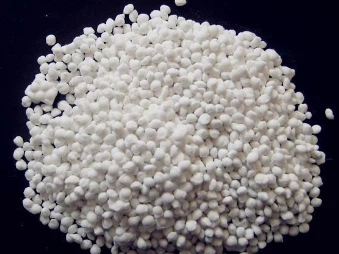

First off, let's talk about what foam stability under shear actually means. When we say "shear," we're referring to a type of force that causes layers of a substance to slide past one another. In the context of a white foaming agent, this could happen during various industrial processes like mixing, pumping, or extrusion. Foam stability under shear is all about how well the foam can maintain its structure and properties when subjected to these shearing forces.
Now, why is this important? Well, in many industries, foaming agents are used to create products with specific foam - related characteristics. For example, in the plastics industry, a good foaming agent can help create lightweight and strong plastic products. If the foam collapses under shear during the manufacturing process, it can lead to inconsistent product quality, such as uneven cell structures in foamed plastics.
So, what factors affect the foam stability under shear of a white foaming agent?
1. Chemical Composition
The chemical makeup of the foaming agent is a major factor. Different chemical components have different abilities to form and maintain foam. Some surfactants, which are commonly used in foaming agents, can form strong films around the air bubbles in the foam. These films act as a protective barrier, preventing the bubbles from coalescing (merging together) under shear. Our white foaming agents are formulated with high - quality surfactants that are carefully selected to provide excellent foam stability.
2. Concentration
The concentration of the foaming agent also plays a role. If the concentration is too low, there may not be enough surfactant molecules to form a stable foam structure. On the other hand, if it's too high, it can lead to excessive foam production, which may not be stable under shear. We've done extensive research to determine the optimal concentration ranges for our white foaming agents to ensure the best performance.
3. Temperature
Temperature can have a significant impact on foam stability. At higher temperatures, the viscosity of the liquid phase in the foam decreases, making it easier for the bubbles to move and coalesce. Our white foaming agents are designed to perform well within a wide range of temperatures, so you can use them in different industrial environments without worrying too much about temperature - related foam instability.
4. Shear Rate
The rate at which the shear force is applied is crucial. Higher shear rates can break the foam bubbles more easily. Our white foaming agents are tested under different shear rates to ensure that they can withstand the typical shear forces encountered in industrial processes.
Let's take a look at some of the applications where the foam stability under shear of our white foaming agents really matters.
Plastics Industry
In the production of foamed plastics, such as PVC Foam Pipe Foaming Agent, the foaming agent needs to create a stable foam during the extrusion or molding process. Our white foaming agents can help achieve a uniform cell structure in PVC foam pipes, improving their mechanical properties and reducing material costs.
Low - Foaming Products
For products that require low - level foaming, like Special Agent For Low Foaming Products, the foam still needs to be stable enough to perform its function without collapsing. Our agents are perfect for these applications, as they can create just the right amount of stable foam.
ABS Anti - shrinkage
In the case of ABS Anti - shrinkage Agent, the foam stability under shear is essential to prevent shrinkage during the cooling process of ABS plastics. Our white foaming agents can help maintain the foam structure, resulting in high - quality ABS products with minimal shrinkage.
Now, I know you might be wondering how we test the foam stability under shear of our white foaming agents. We use state - of - the - art equipment to simulate different industrial shear conditions. We measure parameters like foam volume, bubble size distribution, and foam lifetime under shear. This allows us to continuously improve our products and ensure that they meet the highest standards of performance.
If you're in the market for a reliable white foaming agent with excellent foam stability under shear, you've come to the right place. Our products are backed by years of research and development, and we're confident that they can meet your specific needs. Whether you're in the plastics, food, or cosmetics industry, our white foaming agents can provide the performance you're looking for.
We understand that every customer has unique requirements, so we're more than happy to work with you to find the best solution. If you have any questions or would like to discuss your specific application, don't hesitate to reach out. We're here to help you make the most of our white foaming agents and take your products to the next level.
In conclusion, foam stability under shear is a critical property of white foaming agents, and it can have a big impact on the quality and performance of the final products. Our white foaming agents are designed to excel in this aspect, offering you consistent and reliable results. So, if you're interested in learning more or making a purchase, just get in touch, and we'll start the conversation.
References
- Koehler, P. E., & Guest, J. R. (2003). Foam stability and its measurement. Advances in Colloid and Interface Science, 104, 1-21.
- Ross, S., & Olivier, J. F. (1964). On the measurement of foam stability. Journal of Colloid Science, 19(1), 30-41.
- Stubenrauch, C., & von Klitzing, R. (2002). Surface rheology and foam stability. Advances in Colloid and Interface Science, 96, 1-47.