

Hey there! As a supplier of PVC lead stabilizers, I often get asked about the reaction mechanism between PVC lead stabilizers and PVC. So, I thought I'd take some time to break it down for you in a way that's easy to understand.
First off, let's talk a bit about PVC. Polyvinyl chloride, or PVC, is one of the most widely used plastics in the world. It's used in a ton of different applications, from pipes and fittings to window frames, PVC Roof Tile Lead Stabilizer, Lead Stabilizer For Wall Panels, and even Cost-effective Shoe Material Stabilizer. But here's the thing: PVC isn't the most stable plastic on its own. When it's exposed to heat, light, or certain chemicals, it can start to break down. That's where lead stabilizers come in.
The main problem with PVC is that it can undergo a process called dehydrochlorination. Basically, when PVC is heated, it starts to lose hydrogen chloride (HCl) molecules. This forms double bonds in the polymer chain, which can lead to discoloration, brittleness, and a whole bunch of other issues. The lead stabilizers we supply are designed to prevent or slow down this dehydrochlorination process.
One of the key ways lead stabilizers work is by reacting with the HCl that's released during the dehydrochlorination of PVC. Lead compounds, like lead salts, can react with HCl to form lead chloride. This reaction helps to remove the HCl from the system, which in turn slows down the dehydrochlorination process. For example, lead stearate, a common lead stabilizer, can react with HCl as follows:
2HCl + Pb(C₁₇H₃₅COO)₂ → PbCl₂ + 2C₁₇H₃₅COOH
In this reaction, the lead stearate reacts with two molecules of HCl to form lead chloride and stearic acid. The lead chloride is a stable compound that doesn't cause any further problems in the PVC, and the stearic acid can also act as a lubricant, which is an added bonus.
Another important aspect of the reaction mechanism is the ability of lead stabilizers to react with the free radicals that are formed during the degradation of PVC. When PVC starts to break down, free radicals are generated. These free radicals can cause further degradation of the polymer by reacting with other PVC molecules. Lead stabilizers can react with these free radicals, effectively "trapping" them and preventing them from causing more damage.
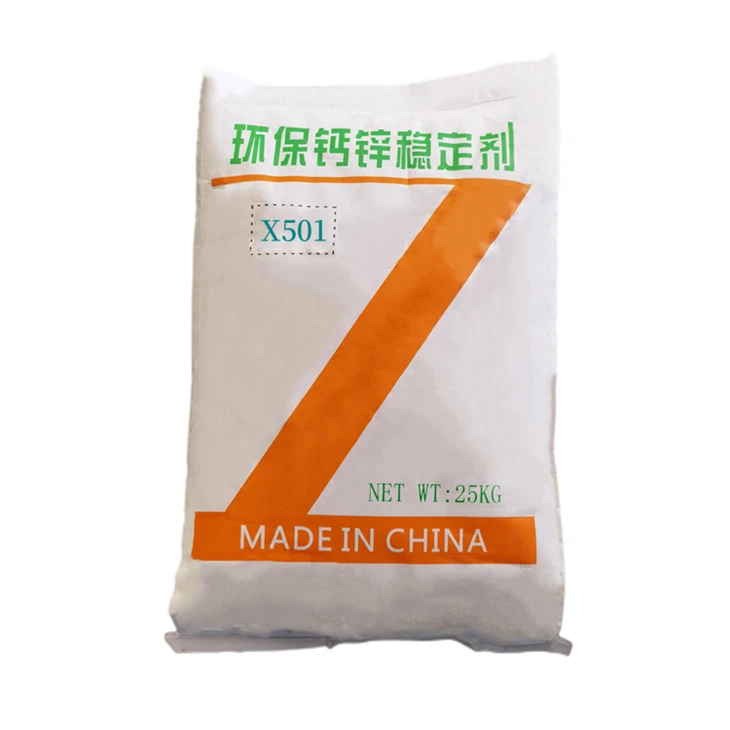
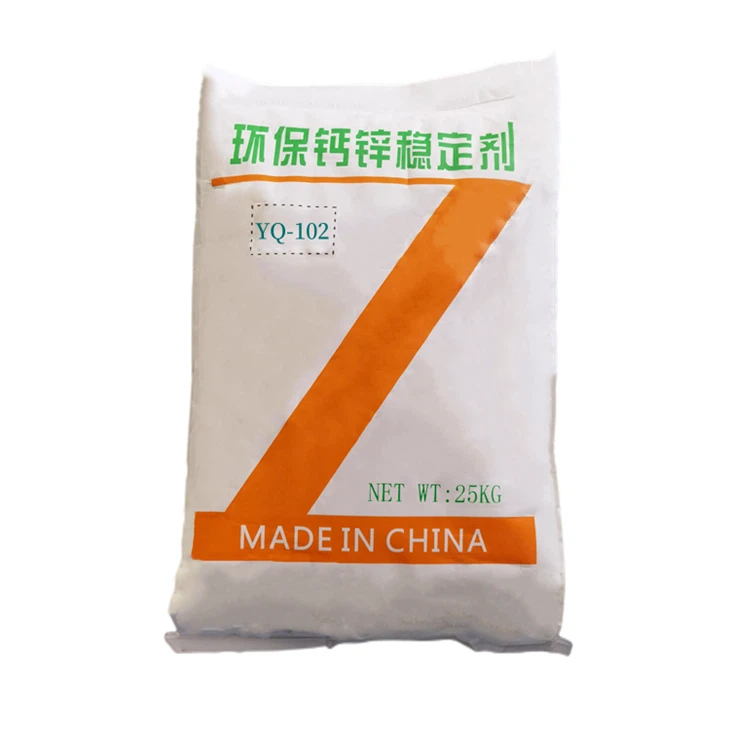
Lead stabilizers also have the ability to replace the unstable chlorine atoms in the PVC chain. The chlorine atoms in PVC can be quite reactive, especially when the polymer is exposed to heat. Lead stabilizers can react with these chlorine atoms and replace them with more stable lead-containing groups. This helps to strengthen the PVC chain and make it more resistant to degradation.
Now, let's talk about the practical implications of all this. When you're using PVC in your products, it's crucial to choose the right lead stabilizer. Different applications require different types of stabilizers, depending on factors like the processing temperature, the expected lifespan of the product, and the environmental conditions it will be exposed to.
For example, if you're making PVC roof tiles, you need a stabilizer that can withstand high temperatures during the manufacturing process and also provide long-term stability against UV radiation and weathering. Our PVC Roof Tile Lead Stabilizer is specifically formulated to meet these requirements. It contains a blend of lead compounds that are optimized for high-temperature processing and UV resistance.
If you're working on wall panels, you might need a stabilizer that offers good impact resistance and a smooth surface finish. Our Lead Stabilizer For Wall Panels is designed to do just that. It helps to improve the mechanical properties of the PVC and ensures that the wall panels look great and last a long time.
And for shoe materials, cost-effectiveness is often a major concern. Our Cost-effective Shoe Material Stabilizer provides excellent stability at a reasonable price. It helps to prevent the PVC from cracking or becoming brittle, even with regular wear and tear.
So, there you have it - a basic overview of the reaction mechanism between PVC lead stabilizers and PVC. I hope this has given you a better understanding of how these stabilizers work and why they're so important in the PVC industry.
If you're in the market for high-quality PVC lead stabilizers, I'd love to hear from you. Whether you're a small business or a large manufacturer, we can provide you with the right stabilizer solutions for your specific needs. Just reach out, and we can start a conversation about your project and how we can help.
References
- "Plastic Additives Handbook" by Hans Zweifel
- "Polyvinyl Chloride (PVC): Properties, Processing, and Applications" by Charles A. Daniels