

Hey there! As a supplier of PVC lead stabilizers, I've been getting a lot of questions lately about the role of these stabilizers in PVC automotive parts. So, I thought I'd take a few minutes to break it down for you.
First off, let's talk about what PVC is. PVC, or polyvinyl chloride, is a type of plastic that's used in a wide range of applications, including automotive parts. It's a popular choice because it's durable, lightweight, and relatively inexpensive. However, PVC has one major drawback: it's not very stable. When exposed to heat, light, or other environmental factors, PVC can break down and release harmful chemicals. That's where PVC lead stabilizers come in.
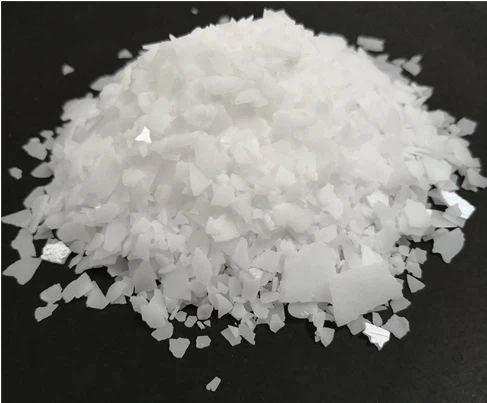
PVC lead stabilizers are additives that are used to improve the stability of PVC. They work by preventing the PVC from breaking down and releasing harmful chemicals. There are several different types of PVC lead stabilizers, each with its own unique properties and benefits. Some of the most common types of PVC lead stabilizers include PVC Pb Stabilizer, which are known for their excellent heat stability and weather resistance, and PVC Window Profile Lead Stabilizer, which are specifically designed for use in window profiles and other outdoor applications.
So, what exactly is the role of PVC lead stabilizers in PVC automotive parts? Well, there are several key ways in which these stabilizers can improve the performance and durability of PVC automotive parts.
Heat Stability
One of the most important roles of PVC lead stabilizers in PVC automotive parts is to provide heat stability. Automotive parts are often exposed to high temperatures, especially in the engine compartment. Without proper heat stability, PVC parts can become brittle and crack, which can lead to serious safety issues. PVC lead stabilizers help to prevent this by reducing the rate at which PVC breaks down when exposed to heat. This allows PVC automotive parts to maintain their strength and flexibility even under extreme heat conditions.
Weather Resistance
Another important role of PVC lead stabilizers in PVC automotive parts is to provide weather resistance. Automotive parts are also exposed to a variety of weather conditions, including sunlight, rain, and snow. Without proper weather resistance, PVC parts can become discolored, faded, and brittle over time. PVC lead stabilizers help to prevent this by protecting the PVC from the damaging effects of UV radiation and other environmental factors. This allows PVC automotive parts to maintain their appearance and performance even after years of exposure to the elements.
Chemical Resistance
In addition to heat and weather resistance, PVC lead stabilizers also provide chemical resistance. Automotive parts are often exposed to a variety of chemicals, including fuels, oils, and cleaning agents. Without proper chemical resistance, PVC parts can become damaged or degraded by these chemicals. PVC lead stabilizers help to prevent this by forming a protective barrier around the PVC, which helps to prevent the chemicals from penetrating the material. This allows PVC automotive parts to maintain their strength and integrity even when exposed to harsh chemicals.
Processability
Finally, PVC lead stabilizers also play an important role in the processability of PVC automotive parts. PVC is a relatively difficult material to process, especially when compared to other plastics. Without proper stabilizers, PVC can be prone to sticking, burning, and other processing issues. PVC lead stabilizers help to improve the processability of PVC by reducing its viscosity and improving its flow properties. This makes it easier to mold and shape PVC into the desired automotive parts, which can help to reduce production costs and improve efficiency.
As you can see, PVC lead stabilizers play a crucial role in the performance and durability of PVC automotive parts. They provide heat stability, weather resistance, chemical resistance, and improved processability, all of which are essential for ensuring the safety and reliability of automotive parts.
If you're in the market for high-quality PVC lead stabilizers for your automotive parts, look no further than High Performance Lead Stabilizer. Our stabilizers are designed to meet the highest standards of quality and performance, and they're backed by our commitment to customer satisfaction. Whether you're looking for a stabilizer for a specific application or you need help choosing the right stabilizer for your needs, our team of experts is here to help.
So, if you're interested in learning more about our PVC lead stabilizers or you'd like to discuss your specific requirements, please don't hesitate to get in touch. We'd be happy to answer any questions you may have and provide you with a free quote. Let's work together to ensure the success of your automotive parts manufacturing business!

References
- ASTM International. (Year). Standard Test Methods for Evaluating the Performance of PVC Stabilizers.
- Plastics Institute of America. (Year). Handbook of PVC Additives and Stabilizers.
- European PVC Industry Association. (Year). Technical Guidelines for PVC in Automotive Applications.