

The shelf life of a product is a crucial factor that both suppliers and customers need to understand. As a supplier of NC foaming agents, I am often asked about the shelf life of these agents. In this blog post, I will delve into what the shelf life of NC foaming agents is, the factors that affect it, and how to ensure their optimal performance within this period.
What are NC Foaming Agents?
NC foaming agents are chemical substances used in various industries, such as plastics, rubber, and construction, to create foam structures. They work by decomposing at specific temperatures, releasing gases that form bubbles within the material matrix, resulting in a foamed product. There are different types of NC foaming agents available in the market, each with its own unique properties and applications. For example, the No NH₃ Blowing Agent is a popular choice for applications where ammonia emission needs to be avoided. The Environmental Friendly PP Foaming Masterbatch is designed for polypropylene foaming, offering an environmentally friendly option. And the PVC Sheet White Powder Foaming Agent is specifically formulated for PVC sheet production.
Determining the Shelf Life of NC Foaming Agents
The shelf life of NC foaming agents can vary depending on several factors. Generally, under proper storage conditions, most NC foaming agents have a shelf life of 12 to 24 months. However, this is not a fixed value and can be influenced by the following aspects:
Chemical Composition
The chemical structure of the foaming agent plays a significant role in determining its stability over time. Some foaming agents are more chemically stable than others, which means they can maintain their properties for a longer period. For instance, agents with strong chemical bonds are less likely to degrade compared to those with weaker bonds.

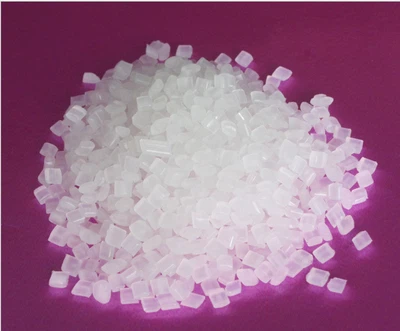
Storage Conditions
Proper storage is essential for preserving the quality of NC foaming agents. They should be stored in a cool, dry place away from direct sunlight and heat sources. High temperatures can accelerate the decomposition of the foaming agents, reducing their effectiveness. Additionally, exposure to moisture can cause clumping and chemical reactions, which can also affect the shelf life. It is recommended to store the agents in sealed containers to prevent air and moisture from entering.
Packaging
The quality of the packaging can also impact the shelf life. Good packaging materials should provide a barrier against moisture, oxygen, and light. For example, using airtight plastic bags or metal containers can help protect the foaming agents from external factors.
Signs of Degradation
It is important to be able to recognize the signs of degradation in NC foaming agents. If a foaming agent has exceeded its shelf life or has been stored improperly, it may show the following signs:
Physical Changes
The appearance of the foaming agent may change. It may become clumpy, discolored, or develop an unusual odor. These physical changes can indicate that the chemical composition of the agent has been altered.
Reduced Foaming Performance
When used in the foaming process, a degraded foaming agent may not produce the desired foam structure. The foam may have a lower density, smaller cell size, or uneven distribution of cells. This can lead to poor quality of the final product.
Extending the Shelf Life
To extend the shelf life of NC foaming agents, the following measures can be taken:
Strict Storage Management
Implement a strict storage management system to ensure that the agents are stored under optimal conditions. This includes regular temperature and humidity monitoring, proper ventilation, and segregation of different types of foaming agents.
Quality Packaging
Invest in high - quality packaging materials that can effectively protect the foaming agents. Consider using multi - layer packaging to provide better protection against external factors.
Regular Inspection
Conduct regular inspections of the stored foaming agents to detect any signs of degradation early. This allows for timely replacement or corrective actions.
Conclusion
In conclusion, the shelf life of NC foaming agents is an important consideration for both suppliers and customers. By understanding the factors that affect the shelf life, recognizing the signs of degradation, and taking appropriate measures to extend it, we can ensure the consistent quality of the foaming agents and the final products. As a supplier, I am committed to providing high - quality NC foaming agents with a reasonable shelf life. If you are interested in purchasing our NC foaming agents or have any questions about their shelf life and usage, please feel free to contact us for further discussion and procurement negotiation.
References
- "Handbook of Foaming Agents and Blowing Agents" by John Wiley & Sons
- Industry standards and guidelines on the storage and handling of chemical foaming agents.