

Hey there! As a supplier of PVC lead stabilizers, I often get asked about the shelf-life of these products. It's a crucial question, especially for those in the PVC manufacturing industry. Let's dig into it and find out what you need to know.
First off, what exactly is a PVC lead stabilizer? Well, PVC (polyvinyl chloride) is a widely used plastic, but it has a bit of a problem. When exposed to heat, light, or certain chemicals during processing or use, it can break down and degrade. That's where lead stabilizers come in. They help prevent this degradation, making PVC products more durable and long-lasting.
Now, let's talk about shelf-life. The shelf-life of PVC lead stabilizers can vary depending on several factors. One of the most important factors is the storage conditions. If you store these stabilizers in a cool, dry place away from direct sunlight and extreme temperatures, they can last a relatively long time.
Typically, under ideal storage conditions, PVC lead stabilizers can have a shelf-life of around 12 to 24 months. But it's not set in stone. Some high - quality stabilizers might last even longer, while others could have a shorter lifespan if they're not stored properly.
For example, if the storage area is too humid, the stabilizers can absorb moisture. This can lead to clumping or chemical reactions within the product, which will reduce its effectiveness and shorten its shelf - life. Similarly, if the temperature is too high, it can accelerate the decomposition of the stabilizer components.
Another factor that affects shelf - life is the type of PVC lead stabilizer. There are different formulations available in the market. Some are more stable and resistant to environmental factors than others. For instance, Lead Stabilizer for PVC Pipe might have a different shelf - life compared to a general - purpose PVC lead stabilizer.
The packaging also plays a role. Good quality, air - tight packaging can help protect the stabilizer from moisture and oxygen, which are two of the main culprits for degradation. If the packaging is damaged or not sealed properly, the stabilizer is more likely to be exposed to the elements and have a shorter shelf - life.
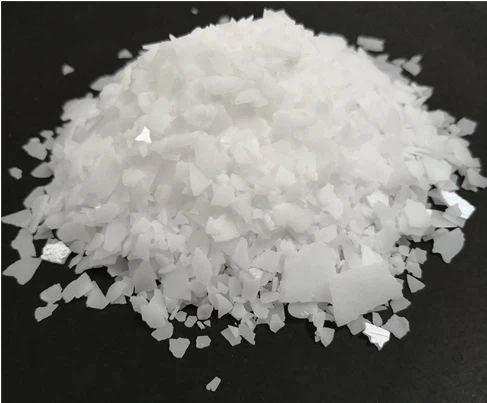
So, how can you tell if a PVC lead stabilizer has gone bad? Well, there are a few signs. If you notice any significant changes in the physical appearance, like clumping, discoloration, or a strange odor, it's a red flag. Also, if the stabilizer doesn't perform as expected during the PVC processing, such as not providing the right level of heat stability or causing problems with the final product's quality, it might be past its prime.
It's important to note that using an expired or degraded PVC lead stabilizer can have serious consequences. It can lead to poor - quality PVC products that are more prone to cracking, discoloration, and other forms of damage. This can result in increased production costs, customer complaints, and even potential safety issues in some cases.
As a supplier, I always recommend that our customers follow the storage guidelines provided with the product. And if you're not sure about the shelf - life or the condition of your stabilizers, don't hesitate to reach out to us. We're here to help you make the most of our PVC Pb Stabilizer products.
Now, let's touch on an alternative to PVC lead stabilizers. In recent years, there has been a growing interest in Superior Green Calcium Zinc Stabilizer. These stabilizers are more environmentally friendly compared to lead - based ones. They also have their own shelf - life characteristics, which are generally similar to PVC lead stabilizers in terms of being affected by storage conditions.
However, the choice between lead - based and calcium - zinc stabilizers depends on various factors, such as the specific requirements of your PVC application, cost, and environmental regulations in your area.

If you're in the market for PVC lead stabilizers or want to learn more about their shelf - life and usage, we'd love to have a chat with you. Whether you're a small - scale PVC manufacturer or a large - scale industry player, we can provide you with the right products and advice to meet your needs. Contact us to start a discussion about your PVC stabilizer requirements and let's work together to ensure the success of your PVC production.
References
- "Plastic Additives Handbook" by Hans Zweifel
- Industry research reports on PVC stabilizers