

As a seasoned supplier of internal lubricants, one question I'm frequently asked is whether internal lubricants have an expiration date. This is a crucial topic for our customers, as understanding the shelf life of these products can significantly impact their performance and cost - effectiveness in various applications.
The Concept of Expiration in Chemical Products
In the chemical industry, the term "expiration date" is often used to describe the point after which a product's quality, efficacy, or safety may no longer meet the specified standards. This can be due to a variety of factors, including chemical reactions, degradation, and contamination.
For internal lubricants, which are commonly used in the plastics, rubber, and other polymer industries to reduce friction and improve flow properties during processing, the concept of expiration is closely related to their chemical stability. Most internal lubricants are organic compounds, such as fatty acids, esters, or amides. Over time, these compounds can undergo oxidation, hydrolysis, or other chemical reactions when exposed to air, moisture, heat, or light.
Factors Affecting the Shelf Life of Internal Lubricants
Oxidation
Oxidation is one of the most common causes of degradation in internal lubricants. When exposed to oxygen, the unsaturated bonds in the lubricant molecules can react with oxygen to form peroxides and other oxidation products. These products can change the physical and chemical properties of the lubricant, such as its viscosity, melting point, and lubricating performance. For example, oxidation can cause the lubricant to become more viscous, which may affect its ability to disperse evenly in the polymer matrix during processing.
Hydrolysis
Hydrolysis is another important factor that can affect the shelf life of internal lubricants, especially those containing ester groups. Esters can react with water to form carboxylic acids and alcohols in the presence of moisture and catalysts, such as acids or bases. This reaction can lead to a decrease in the lubricant's molecular weight and a change in its chemical composition, which may reduce its lubricating efficiency.

Temperature and Light
High temperatures and exposure to light can accelerate the chemical reactions in internal lubricants. Elevated temperatures can increase the reaction rate of oxidation and hydrolysis, while light, especially ultraviolet (UV) light, can initiate photochemical reactions that break down the lubricant molecules. Therefore, proper storage conditions, such as keeping the lubricants in a cool, dark place, are essential to extend their shelf life.
How to Determine if an Internal Lubricant has Expired
Determining whether an internal lubricant has expired can be challenging, as the signs of degradation may not always be obvious. However, there are several methods that can be used to assess the quality of the lubricant.
Visual Inspection
A simple visual inspection can provide some clues about the condition of the lubricant. If the lubricant has changed color, become cloudy, or developed a precipitate, it may be a sign of degradation. For example, oxidation can cause the lubricant to turn yellow or brown, while hydrolysis may result in the formation of a white or milky precipitate.
Physical Property Testing
Testing the physical properties of the lubricant, such as its viscosity, melting point, and acid value, can also help to determine its quality. A significant change in these properties compared to the original specifications may indicate that the lubricant has expired. For instance, an increase in viscosity may suggest oxidation or polymerization, while a decrease in melting point may be due to hydrolysis or the presence of impurities.
Performance Testing
Ultimately, the best way to determine if an internal lubricant has expired is to test its performance in the intended application. If the lubricant fails to provide the expected lubricating effect, such as reducing friction or improving flow, it may be time to replace it.
Shelf Life of Different Types of Internal Lubricants
The shelf life of internal lubricants can vary depending on their chemical composition and storage conditions. Here are some examples of common internal lubricants and their typical shelf lives:
Low - volatility Internal Lubricant
Low - volatility internal lubricants are designed to have minimal evaporation during processing, which makes them suitable for high - temperature applications. These lubricants typically have a relatively long shelf life, usually around 1 - 2 years when stored properly. You can find more information about our Low - volatility Internal Lubricant.
PVC Foam Board Lubricant G60
PVC Foam Board Lubricant G60 is specifically formulated for use in the production of PVC foam boards. It helps to improve the foaming process and the surface quality of the boards. Under normal storage conditions, this lubricant can maintain its quality for about 12 - 18 months. For detailed product information, please visit PVC Foam Board Lubricant G60.
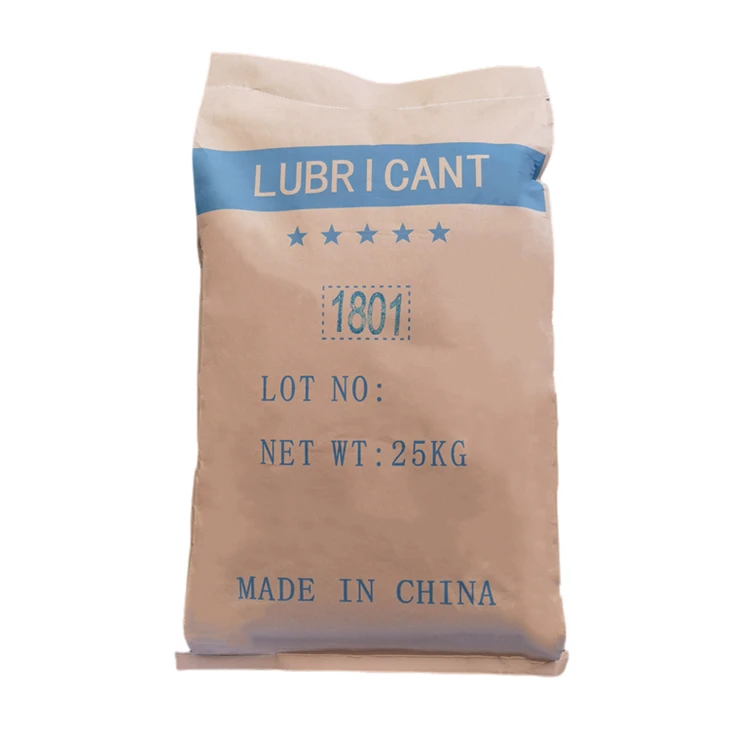
Higher Saturated Fatty Acid 1801
Higher Saturated Fatty Acid 1801 is a common internal lubricant with good thermal stability and lubricating properties. It has a shelf life of approximately 1 - 1.5 years when stored in a cool, dry place. More details about this product can be found at Higher Saturated Fatty Acid 1801.
Importance of Using Non - Expired Internal Lubricants
Using non - expired internal lubricants is crucial for several reasons. Firstly, expired lubricants may not provide the desired lubricating effect, which can lead to processing problems, such as poor flow, uneven dispersion, and surface defects in the final products. This can result in increased production costs due to rework or scrap.
Secondly, the degradation products of expired lubricants may have adverse effects on the quality and performance of the polymers. For example, oxidation products can cause discoloration, embrittlement, or reduced mechanical properties of the polymers.
Finally, using non - expired lubricants helps to ensure the safety of the production process and the final products. Some degradation products may be toxic or hazardous, which can pose risks to workers and consumers.
Storage and Handling Recommendations
To maximize the shelf life of internal lubricants, it is important to follow proper storage and handling practices. Here are some recommendations:
- Store in a cool, dry place: Keep the lubricants away from direct sunlight, heat sources, and moisture. The ideal storage temperature is usually between 10°C and 30°C.
- Seal the containers tightly: This helps to prevent the entry of air, moisture, and contaminants.
- Avoid cross - contamination: Use clean equipment and containers when handling the lubricants to prevent the introduction of foreign substances.
- Rotate stock: Use the oldest stock first to ensure that the lubricants are used before their expiration dates.
Conclusion
In conclusion, internal lubricants do have an expiration date, which is determined by their chemical stability and storage conditions. Oxidation, hydrolysis, temperature, and light are the main factors that can affect the shelf life of these products. By understanding the concept of expiration, how to determine if a lubricant has expired, and the importance of using non - expired lubricants, our customers can make informed decisions to ensure the quality and efficiency of their production processes.
If you have any questions about our internal lubricants, including their shelf life, storage, or application, please feel free to contact us for further information and to discuss your procurement needs. We are committed to providing high - quality products and excellent customer service to meet your specific requirements.
References
- Kirk - Othmer Encyclopedia of Chemical Technology.
- Plastics Additives Handbook, 6th Edition.
- Journal of Polymer Science: Part A: Polymer Chemistry.