

What is the density of polyethylene wax lubricant?
As a professional supplier of Polyethylene Wax Lubricant, I often encounter inquiries about the properties of our products, and one of the most frequently asked questions is about the density of polyethylene wax lubricant. In this blog post, I will delve into the details of the density of polyethylene wax lubricant, its significance, and how it relates to the performance of the lubricant.
Understanding Polyethylene Wax Lubricant
Polyethylene wax lubricant is a versatile material widely used in various industries, including plastics, rubber, coatings, and adhesives. It is derived from polyethylene, a thermoplastic polymer known for its excellent chemical resistance, low friction coefficient, and high melting point. Polyethylene wax lubricant is typically produced through the polymerization of ethylene monomers, followed by a series of purification and modification processes to achieve the desired properties.
The primary function of polyethylene wax lubricant is to reduce friction and improve the flow properties of materials during processing. It acts as a lubricating agent, preventing materials from sticking to processing equipment and reducing the energy required for processing. Additionally, polyethylene wax lubricant can enhance the surface finish of products, improve their mechanical properties, and increase their resistance to wear and tear.
Density of Polyethylene Wax Lubricant
The density of polyethylene wax lubricant is an important physical property that affects its performance and application. Density is defined as the mass per unit volume of a substance and is typically expressed in grams per cubic centimeter (g/cm³) or kilograms per cubic meter (kg/m³). The density of polyethylene wax lubricant can vary depending on several factors, including its molecular weight, chemical composition, and manufacturing process.
Generally, the density of polyethylene wax lubricant ranges from 0.91 to 0.97 g/cm³. Low-density polyethylene wax lubricants (LDPE wax) have a density of around 0.91 to 0.93 g/cm³, while high-density polyethylene wax lubricants (HDPE wax) have a density of around 0.94 to 0.97 g/cm³. The density of polyethylene wax lubricant can also be affected by the presence of additives or fillers, which can increase or decrease its density depending on their nature and concentration.

Significance of Density in Polyethylene Wax Lubricant
The density of polyethylene wax lubricant plays a crucial role in determining its performance and application. Here are some of the key ways in which density affects the properties and behavior of polyethylene wax lubricant:

- Compatibility: The density of polyethylene wax lubricant can affect its compatibility with other materials. Materials with similar densities are more likely to be compatible and form a homogeneous mixture, while materials with different densities may separate or form layers. This is particularly important in applications where the lubricant needs to be mixed with other polymers or additives to achieve the desired properties.
- Dispersion: The density of polyethylene wax lubricant can also affect its dispersion in a matrix. A lubricant with a lower density may have a tendency to float or rise to the surface of a matrix, while a lubricant with a higher density may sink or settle at the bottom. This can affect the distribution of the lubricant in the matrix and its ability to provide uniform lubrication.
- Mechanical Properties: The density of polyethylene wax lubricant can influence the mechanical properties of the final product. A lubricant with a higher density may provide better reinforcement and improve the stiffness and strength of the product, while a lubricant with a lower density may have a softer and more flexible feel. The density of the lubricant can also affect the impact resistance, abrasion resistance, and other mechanical properties of the product.
- Processing Properties: The density of polyethylene wax lubricant can affect its processing properties, such as melt flow rate, viscosity, and mold release. A lubricant with a lower density may have a higher melt flow rate and lower viscosity, making it easier to process and flow through the processing equipment. On the other hand, a lubricant with a higher density may have a lower melt flow rate and higher viscosity, which can make it more difficult to process but may also provide better mold release properties.
Applications of Polyethylene Wax Lubricant
Polyethylene wax lubricant is used in a wide range of applications across various industries. Here are some of the common applications of polyethylene wax lubricant:

- Plastics Industry: Polyethylene wax lubricant is widely used in the plastics industry to improve the processing properties of plastics, such as injection molding, extrusion, and blow molding. It can reduce the friction between the plastic and the processing equipment, prevent the plastic from sticking to the mold, and improve the surface finish of the final product. Polyethylene wax lubricant is also used as a processing aid in the production of PVC, PE, PP, and other plastics.
- Rubber Industry: In the rubber industry, polyethylene wax lubricant is used as a processing aid to improve the flow properties of rubber compounds and prevent them from sticking to the processing equipment. It can also enhance the surface finish of rubber products, improve their mechanical properties, and increase their resistance to wear and tear. Polyethylene wax lubricant is commonly used in the production of tires, belts, hoses, and other rubber products.
- Coatings Industry: Polyethylene wax lubricant is used in the coatings industry to improve the scratch resistance, abrasion resistance, and gloss of coatings. It can also reduce the surface tension of the coating, improve its wetting properties, and prevent the formation of defects such as pinholes and orange peel. Polyethylene wax lubricant is commonly used in the production of automotive coatings, industrial coatings, and architectural coatings.
- Adhesives Industry: In the adhesives industry, polyethylene wax lubricant is used to improve the flow properties of adhesives and prevent them from sticking to the substrate. It can also enhance the bond strength of adhesives, improve their flexibility, and increase their resistance to moisture and chemicals. Polyethylene wax lubricant is commonly used in the production of hot melt adhesives, pressure-sensitive adhesives, and solvent-based adhesives.
Our Polyethylene Wax Lubricant Products
As a leading supplier of Polyethylene Wax Lubricant, we offer a wide range of high-quality products to meet the diverse needs of our customers. Our products are available in different densities, molecular weights, and chemical compositions to provide optimal performance in various applications.
One of our popular products is the Internal Lubricant For SPC Floor, which is specifically designed for use in the production of SPC (Stone Plastic Composite) floors. This lubricant has a low density and excellent compatibility with SPC materials, making it ideal for improving the processing properties and surface finish of SPC floors.
Another product we offer is the Polyethylene Wax Lubricant, which is a versatile lubricant suitable for use in a wide range of applications, including plastics, rubber, coatings, and adhesives. This lubricant has a medium density and provides excellent lubrication and processing performance.
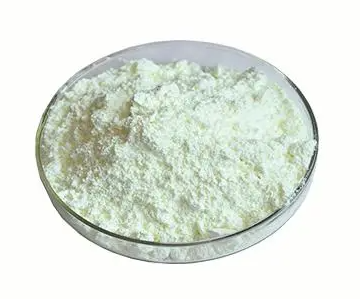
We also have the PVC WPC Door Lubricant PE Wax, which is specifically formulated for use in the production of PVC and WPC (Wood Plastic Composite) doors. This lubricant has a high density and provides excellent reinforcement and surface finish for PVC and WPC doors.
Contact Us for Purchase and Negotiation
If you are interested in our Polyethylene Wax Lubricant products or have any questions about the density or other properties of our lubricants, please feel free to contact us. Our team of experts is ready to provide you with detailed information and technical support to help you choose the right lubricant for your specific application.
We are committed to providing high-quality products and excellent customer service. We believe that by working together, we can achieve mutual success and create value for our customers. So, don't hesitate to reach out to us and start the conversation about your lubricant needs.
References
- "Polyethylene Wax: Properties, Applications, and Market Trends." Polymer Science and Technology, Vol. XX, No. XX, 20XX.
- "Lubricants in Plastics Processing." Plastics Engineering Handbook, 5th Edition, 20XX.
- "Rubber Processing and Lubrication." Rubber Technology Handbook, 4th Edition, 20XX.
- "Coatings and Lubricants." Paint and Coatings Technology, Vol. XX, No. XX, 20XX.
- "Adhesives and Lubricants." Adhesive Technology Handbook, 3rd Edition, 20XX.