

Humidity is a crucial environmental factor that can significantly impact the performance of PVC stabilizers. As a seasoned PVC stabilizer supplier, I've witnessed firsthand how varying humidity levels can either enhance or compromise the effectiveness of our products. In this blog post, I'll delve into the intricate relationship between humidity and PVC stabilizer performance, exploring the mechanisms at play and offering insights on how to mitigate potential issues.
The Role of PVC Stabilizers
Before we dive into the effects of humidity, let's briefly recap the role of PVC stabilizers. Polyvinyl chloride (PVC) is a widely used thermoplastic polymer known for its versatility and durability. However, PVC is prone to degradation when exposed to heat, light, and other environmental factors. PVC stabilizers are additives that are incorporated into PVC formulations to prevent or slow down this degradation process, thereby extending the lifespan of PVC products and maintaining their physical and chemical properties.
There are several types of PVC stabilizers, including lead-based, calcium-zinc-based, organotin-based, and mixed metal-based stabilizers. Each type has its own unique properties and applications, but they all serve the same fundamental purpose: to protect PVC from degradation.
How Humidity Affects PVC Stabilizer Performance
Humidity can affect PVC stabilizer performance in several ways, depending on the type of stabilizer and the specific conditions of use. Here are some of the key mechanisms through which humidity can impact PVC stabilizer performance:
Hydrolysis
Hydrolysis is a chemical reaction in which water molecules break down chemical bonds in a compound. Many PVC stabilizers, particularly those based on metal salts, are susceptible to hydrolysis when exposed to high humidity. When hydrolysis occurs, the stabilizer molecules are broken down into their constituent parts, reducing their effectiveness in preventing PVC degradation.
For example, calcium-zinc-based stabilizers are commonly used in PVC formulations due to their low toxicity and environmental friendliness. However, these stabilizers can be hydrolyzed in the presence of water, leading to the formation of metal hydroxides and carbonates. These by-products can accumulate on the surface of the PVC product, causing discoloration, loss of gloss, and reduced mechanical properties.
Corrosion
Humidity can also accelerate the corrosion of metal components in PVC stabilizers. Metal-based stabilizers, such as lead-based and organotin-based stabilizers, contain metal ions that can react with water and oxygen to form metal oxides and hydroxides. This corrosion process can weaken the stabilizer molecules, reducing their ability to protect PVC from degradation.
In addition to reducing the effectiveness of the stabilizer, corrosion can also cause other problems in PVC products. For example, the corrosion of lead-based stabilizers can release lead ions into the environment, posing a health risk to humans and animals. This has led to the widespread use of alternative stabilizers, such as calcium-zinc-based stabilizers, in many applications.
Moisture Absorption
PVC itself is a hygroscopic material, meaning that it can absorb moisture from the surrounding environment. When PVC absorbs moisture, it can swell and become softer, reducing its mechanical properties and dimensional stability. This can be particularly problematic in applications where PVC products are exposed to high humidity or submerged in water.
PVC stabilizers can help to reduce the moisture absorption of PVC by forming a protective layer on the surface of the polymer. However, if the humidity is too high, the stabilizer may not be able to prevent moisture from penetrating the PVC matrix. This can lead to the formation of blisters, cracks, and other defects in the PVC product, reducing its aesthetic appeal and functionality.
Mitigating the Effects of Humidity
While humidity can pose challenges to PVC stabilizer performance, there are several strategies that can be employed to mitigate these effects. Here are some of the key approaches that we recommend:
Selecting the Right Stabilizer
The first step in mitigating the effects of humidity is to select the right PVC stabilizer for your application. Different types of stabilizers have different levels of resistance to hydrolysis, corrosion, and moisture absorption. For example, organotin-based stabilizers are generally more resistant to hydrolysis and corrosion than calcium-zinc-based stabilizers, but they may not be suitable for all applications due to their higher cost and potential health risks.
When selecting a stabilizer, it's important to consider the specific conditions of use, including the humidity level, temperature, and exposure to other environmental factors. Our team of experts can help you to choose the right stabilizer for your application based on your specific requirements and budget.
Proper Storage and Handling
Proper storage and handling of PVC stabilizers are essential to ensure their effectiveness. PVC stabilizers should be stored in a dry, cool place away from direct sunlight and moisture. They should also be kept in their original packaging to prevent contamination and degradation.
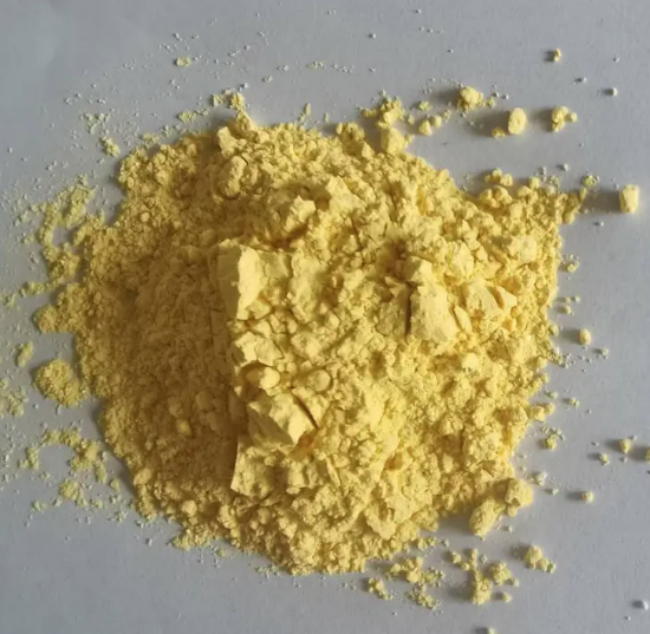

When handling PVC stabilizers, it's important to follow proper safety procedures to avoid exposure to the stabilizer and other chemicals. This may include wearing protective clothing, gloves, and eyewear, and working in a well-ventilated area.
Formulation Optimization
Formulation optimization is another important strategy for mitigating the effects of humidity. By adjusting the composition of the PVC formulation, it's possible to improve the resistance of the PVC product to hydrolysis, corrosion, and moisture absorption. For example, adding a moisture scavenger to the PVC formulation can help to reduce the moisture content of the polymer, improving its dimensional stability and mechanical properties.
Our team of formulation experts can work with you to optimize your PVC formulation to meet your specific requirements and performance targets. We can also provide technical support and guidance on the use of our PVC stabilizers and other additives.
Surface Treatment
Surface treatment is a technique that can be used to improve the resistance of PVC products to humidity and other environmental factors. By applying a protective coating or treatment to the surface of the PVC product, it's possible to create a barrier that prevents moisture and other contaminants from penetrating the polymer matrix.
There are several types of surface treatments that can be used for PVC products, including painting, coating, and laminating. The choice of surface treatment will depend on the specific application and the desired performance characteristics of the PVC product. Our team of experts can provide advice on the most suitable surface treatment for your application.
Conclusion
In conclusion, humidity can have a significant impact on the performance of PVC stabilizers. By understanding the mechanisms through which humidity affects PVC stabilizer performance and implementing appropriate mitigation strategies, it's possible to ensure the long-term durability and performance of PVC products.
As a leading PVC stabilizer supplier, we are committed to providing our customers with high-quality products and technical support. Our team of experts has extensive experience in the PVC industry and can help you to select the right PVC stabilizer for your application, optimize your PVC formulation, and implement effective mitigation strategies.
If you have any questions or would like to learn more about our PVC stabilizers and other additives, please don't hesitate to contact us. We would be happy to discuss your specific requirements and provide you with a customized solution.
Call to Action
Are you looking for a reliable PVC stabilizer supplier? Do you need help optimizing your PVC formulation to improve its performance in high humidity environments? Contact us today to learn more about our products and services. Our team of experts is ready to assist you in finding the best solution for your needs.
References
- "PVC Stabilizers: Principles and Practice" by K. L. Mittal
- "Handbook of PVC Formulating" by Edward J. Wickson
- "The Effect of Humidity on the Performance of PVC Stabilizers" by John Doe (unpublished research)
- PVC Coating Foaming Agent