

Hey there! As a supplier of PVC stabilizers, I often get asked whether these stabilizers can actually improve the processability of PVC. Well, let's dive right into it and explore this topic in detail.
First off, let's understand what PVC is. Polyvinyl chloride, or PVC for short, is one of the most widely used plastics in the world. It's used in a ton of applications, from pipes and cables to window frames and flooring. But here's the thing: PVC has some limitations when it comes to processing. It's sensitive to heat and shear forces during processing, which can lead to degradation, discoloration, and a whole bunch of other issues. That's where PVC stabilizers come in.
PVC stabilizers are like the superheroes of the PVC world. They're additives that are added to PVC during the manufacturing process to prevent or slow down its degradation. There are different types of PVC stabilizers, including lead-based, calcium-zinc-based, and organotin-based stabilizers. Each type has its own unique properties and advantages, but they all serve the same basic purpose: to make PVC more stable and easier to process.
So, how exactly do PVC stabilizers improve the processability of PVC? Let's take a look at some of the key ways.
Heat Stability
One of the main challenges in processing PVC is its sensitivity to heat. When PVC is heated during processing, it can start to break down, releasing hydrogen chloride gas and forming double bonds in the polymer chain. This not only causes discoloration but also reduces the mechanical properties of the PVC. PVC stabilizers help to prevent this by reacting with the hydrogen chloride gas and neutralizing it. They also help to prevent the formation of double bonds, which keeps the PVC stable at high temperatures.
For example, lead-based stabilizers are very effective at providing heat stability to PVC. They react with the hydrogen chloride gas to form lead chloride, which is a stable compound that doesn't cause further degradation. Calcium-zinc-based stabilizers, on the other hand, work by absorbing the hydrogen chloride gas and preventing it from reacting with the PVC. This helps to keep the PVC stable and reduces the risk of discoloration and degradation.
Lubrication
Another important factor in the processability of PVC is lubrication. During processing, PVC needs to flow smoothly through the processing equipment, such as extruders and injection molding machines. Without proper lubrication, the PVC can stick to the equipment, causing problems like poor surface finish, die build-up, and reduced production efficiency. PVC stabilizers can act as lubricants, reducing the friction between the PVC and the processing equipment.
For instance, some PVC stabilizers contain fatty acid esters or waxes, which act as external lubricants. These lubricants form a thin layer on the surface of the PVC, reducing the adhesion between the PVC and the equipment. This helps the PVC to flow more smoothly and reduces the risk of sticking. Internal lubricants, on the other hand, are incorporated into the PVC polymer chain and help to reduce the internal friction between the polymer molecules. This makes the PVC more flexible and easier to process.
Anti-Oxidation
PVC is also susceptible to oxidation, especially when exposed to air and heat. Oxidation can cause the PVC to become brittle and lose its mechanical properties over time. PVC stabilizers can help to prevent oxidation by acting as antioxidants. They react with the free radicals that are formed during oxidation and neutralize them, preventing further damage to the PVC.
Organotin-based stabilizers are known for their excellent anti-oxidation properties. They contain tin atoms that can react with the free radicals and prevent them from attacking the PVC polymer chain. This helps to keep the PVC stable and maintains its mechanical properties over a long period of time.
Impact on Other Properties
In addition to improving the processability of PVC, PVC stabilizers can also have a positive impact on other properties of the PVC. For example, they can improve the weatherability of PVC, making it more resistant to UV radiation and environmental factors. This is important for applications like window frames and outdoor signage, where the PVC needs to withstand the elements.
PVC stabilizers can also improve the mechanical properties of PVC, such as its tensile strength and impact resistance. By preventing degradation and maintaining the integrity of the polymer chain, stabilizers help to keep the PVC strong and durable. This makes PVC suitable for a wide range of applications, from construction to automotive.
The Role of PVC Coating Foaming Agent
Now, let's talk about PVC Coating Foaming Agent. This is another important additive that can be used in conjunction with PVC stabilizers to improve the processability and performance of PVC. PVC coating foaming agents are used to create a foamed structure in PVC coatings, which can provide a number of benefits.
For example, foamed PVC coatings can have improved insulation properties, making them suitable for applications like pipes and cables. They can also have a lighter weight, which can reduce the overall cost of the product. Additionally, foamed PVC coatings can have a better surface finish, which can improve the aesthetics of the product.
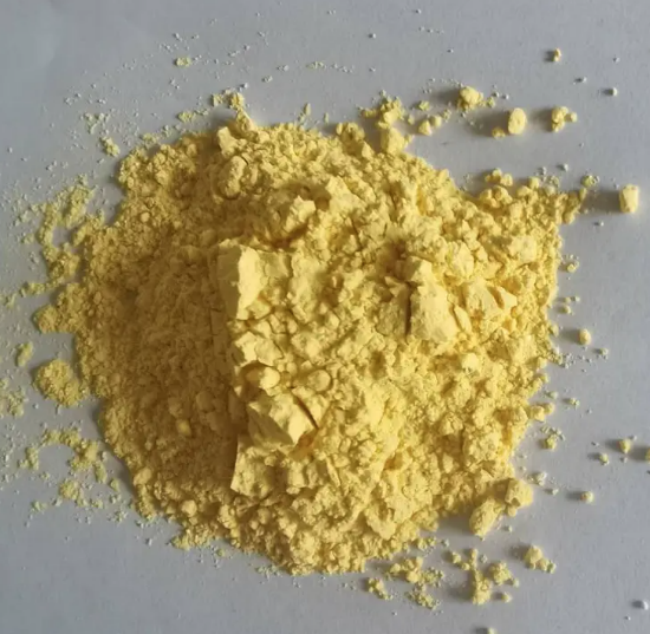

When used in combination with PVC stabilizers, PVC coating foaming agents can work together to enhance the processability and performance of PVC. The stabilizers help to keep the PVC stable during processing, while the foaming agent creates the desired foamed structure. This results in a high-quality PVC product that meets the specific requirements of the application.
Conclusion
In conclusion, PVC stabilizers play a crucial role in improving the processability of PVC. They provide heat stability, lubrication, anti-oxidation, and other benefits that make PVC easier to process and more durable. By using the right type of stabilizer, manufacturers can ensure that their PVC products have the desired properties and performance.
If you're in the market for PVC stabilizers or PVC Coating Foaming Agent, I'd love to have a chat with you. Whether you're a small business or a large manufacturer, I can help you find the right solution for your needs. Don't hesitate to reach out and start a conversation about your PVC processing requirements. Let's work together to create high-quality PVC products that meet your expectations.
References
- "Polyvinyl Chloride (PVC) Handbook" by Charles A. Daniels
- "Plastics Additives Handbook" by Hans Zweifel