

As a supplier of NC foaming agents, I've witnessed firsthand the diverse needs and challenges faced by our customers in achieving optimal foaming performance. NC foaming agents are widely used in various industries, including plastics, rubber, and synthetic materials, to create lightweight, porous structures with enhanced insulation, cushioning, and aesthetic properties. In this blog post, I'll share some insights and practical tips on how to adjust the foaming performance of NC foaming agents to meet your specific requirements.
Understanding the Basics of NC Foaming Agents
Before delving into the adjustment techniques, it's essential to have a basic understanding of how NC foaming agents work. NC foaming agents are chemical compounds that decompose at a specific temperature, releasing gas (usually nitrogen or carbon dioxide) and creating bubbles within the polymer matrix. The foaming process is influenced by several factors, including the type and concentration of the foaming agent, the processing temperature, the pressure, and the properties of the polymer matrix.
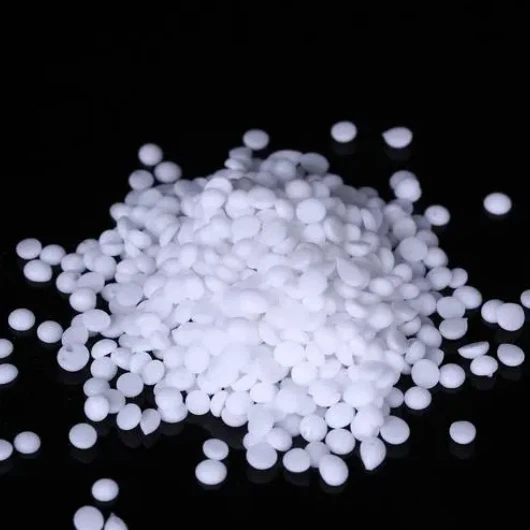
There are different types of NC foaming agents available in the market, each with its own unique characteristics and applications. For example, PVC Sheet White Powder Foaming Agent is specifically designed for PVC sheets, offering excellent foaming performance and a smooth surface finish. On the other hand, No NH₃ Blowing Agent is a low-odor, environmentally friendly option suitable for applications where ammonia emissions need to be minimized. ABS Injection Moulding Masterbatch is another popular choice for ABS injection molding, providing uniform cell structure and improved mechanical properties.
Factors Affecting Foaming Performance
1. Type and Concentration of Foaming Agent
The type of foaming agent you choose depends on the specific polymer and application requirements. Different foaming agents have different decomposition temperatures, gas release rates, and foaming efficiencies. For example, some foaming agents are designed for high-temperature applications, while others are more suitable for low-temperature processing.
The concentration of the foaming agent also plays a crucial role in determining the foaming performance. A higher concentration of foaming agent generally results in a higher expansion ratio and a more porous structure. However, excessive use of foaming agent can lead to issues such as poor cell structure, surface defects, and reduced mechanical properties. Therefore, it's important to optimize the concentration of the foaming agent based on the desired foaming properties and the processing conditions.
2. Processing Temperature
The processing temperature is one of the most critical factors affecting the foaming performance of NC foaming agents. The decomposition temperature of the foaming agent should be carefully matched with the processing temperature of the polymer. If the processing temperature is too low, the foaming agent may not decompose completely, resulting in a low expansion ratio and poor cell structure. On the other hand, if the processing temperature is too high, the foaming agent may decompose too rapidly, leading to cell coalescence, surface defects, and reduced mechanical properties.
It's important to note that the optimal processing temperature may vary depending on the type of polymer, the type and concentration of the foaming agent, and the processing equipment. Therefore, it's recommended to conduct preliminary tests to determine the optimal processing temperature for your specific application.
3. Pressure
The pressure during the foaming process also affects the foaming performance. Higher pressure can help to control the expansion of the bubbles and prevent cell coalescence, resulting in a more uniform cell structure. However, excessive pressure can also reduce the expansion ratio and increase the density of the foam. Therefore, it's important to optimize the pressure based on the desired foaming properties and the processing conditions.
4. Polymer Properties
The properties of the polymer matrix, such as melt viscosity, molecular weight, and crystallinity, also affect the foaming performance. Polymers with high melt viscosity tend to have a more difficult time forming bubbles, resulting in a lower expansion ratio and a less uniform cell structure. On the other hand, polymers with low melt viscosity may allow the bubbles to coalesce more easily, leading to larger cells and a higher density of the foam.
In addition, the crystallinity of the polymer can also affect the foaming performance. Crystalline polymers tend to have a more ordered structure, which can make it more difficult for the foaming agent to penetrate and decompose. Therefore, it's important to choose a polymer with suitable properties for the foaming process.
Adjustment Techniques
1. Adjusting the Concentration of Foaming Agent
One of the simplest ways to adjust the foaming performance is to change the concentration of the foaming agent. If you want to increase the expansion ratio and create a more porous structure, you can increase the concentration of the foaming agent. However, it's important to note that increasing the concentration of the foaming agent may also increase the risk of surface defects and reduced mechanical properties. Therefore, it's recommended to conduct preliminary tests to determine the optimal concentration of the foaming agent for your specific application.
2. Modifying the Processing Temperature
As mentioned earlier, the processing temperature is a critical factor affecting the foaming performance. If you want to increase the expansion ratio, you can increase the processing temperature within the recommended range. However, it's important to note that increasing the processing temperature may also increase the risk of cell coalescence and surface defects. Therefore, it's recommended to conduct preliminary tests to determine the optimal processing temperature for your specific application.
On the other hand, if you want to reduce the expansion ratio and create a denser foam, you can decrease the processing temperature. However, it's important to note that decreasing the processing temperature may also result in a lower expansion ratio and a less uniform cell structure. Therefore, it's recommended to conduct preliminary tests to determine the optimal processing temperature for your specific application.
3. Controlling the Pressure
Controlling the pressure during the foaming process can also help to adjust the foaming performance. If you want to create a more uniform cell structure and prevent cell coalescence, you can increase the pressure within the recommended range. However, it's important to note that increasing the pressure may also reduce the expansion ratio and increase the density of the foam. Therefore, it's recommended to conduct preliminary tests to determine the optimal pressure for your specific application.
4. Using Additives
In some cases, using additives can help to improve the foaming performance of NC foaming agents. For example, nucleating agents can be added to the polymer matrix to promote the formation of bubbles and create a more uniform cell structure. Plasticizers can also be added to the polymer matrix to reduce the melt viscosity and improve the flowability of the polymer, which can help to create a more porous structure.
However, it's important to note that using additives may also affect the properties of the polymer matrix and the final foam product. Therefore, it's recommended to conduct preliminary tests to determine the optimal type and concentration of additives for your specific application.
Conclusion
Adjusting the foaming performance of NC foaming agents requires a thorough understanding of the factors affecting the foaming process and the use of appropriate adjustment techniques. By carefully selecting the type and concentration of the foaming agent, optimizing the processing temperature and pressure, and using additives if necessary, you can achieve the desired foaming properties and create high-quality foam products.
As a supplier of NC foaming agents, we are committed to providing our customers with high-quality products and technical support. If you have any questions or need further assistance in adjusting the foaming performance of our NC foaming agents, please don't hesitate to contact us. We look forward to working with you to meet your specific requirements and achieve your business goals.

References
- "Foaming Agents for Polymers" by John W. Summers
- "Plastics Foams: Mechanisms and Materials" by Charles A. Harper
- "Handbook of Polymer Foams and Foam Technology" by Daniel Klempner and Kurt C. Frisch