

Hey there! I'm a supplier of PVC stabilizers, and today I wanna chat about the recycling methods for PVC stabilizers. PVC stabilizers play a crucial role in the PVC industry. They help prevent the degradation of PVC during processing and use, which is super important for maintaining the quality and performance of PVC products. But as we all know, with the increasing focus on environmental protection, recycling these stabilizers has become a hot topic.
First off, let's understand why recycling PVC stabilizers is so important. PVC is one of the most widely used plastics in the world, and a significant amount of PVC stabilizers are consumed every year. Recycling these stabilizers not only helps reduce waste but also conserves valuable resources. It can also cut down on the production cost in the long run, which is a win - win for both the environment and our business.
One of the common recycling methods for PVC stabilizers is mechanical recycling. This process involves collecting used PVC products that contain stabilizers, cleaning them thoroughly to remove any dirt, debris, or other contaminants, and then grinding them into small particles. After that, these particles can be remelted and reprocessed into new PVC products. During this process, the stabilizers that were originally in the PVC can still function to some extent. However, mechanical recycling has its limitations. The quality of the recycled PVC may degrade over multiple recycling cycles, and the effectiveness of the stabilizers may also decrease.
Another method is chemical recycling. Chemical recycling breaks down the PVC polymer into its basic components. There are several ways to achieve this. One approach is pyrolysis, where the PVC is heated in the absence of oxygen at high temperatures. This process decomposes the PVC into gases, liquids, and solid residues. The stabilizers in the PVC may end up in the solid residue or be released in the form of certain chemical compounds. These stabilizer - containing products can then be further processed to recover the stabilizers. For example, some metal - based stabilizers can be extracted from the residues through chemical reactions.
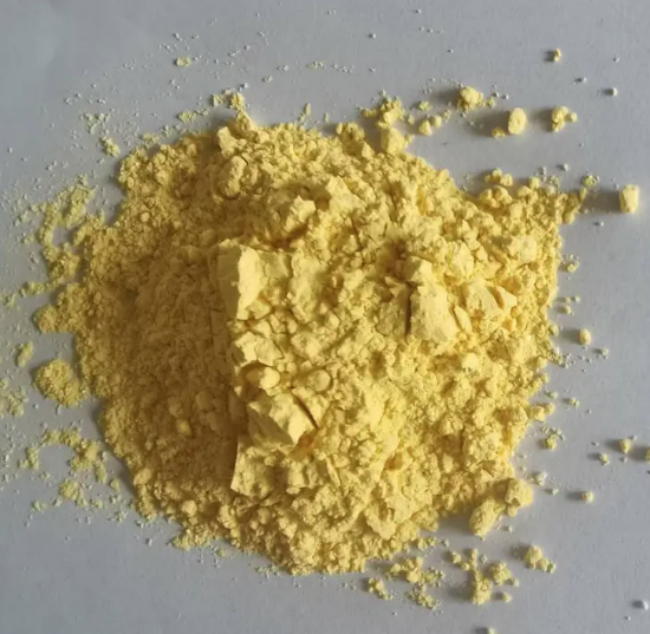

Solvent - based recycling is also an option. In this method, a suitable solvent is used to dissolve the PVC and separate it from the stabilizers. The stabilizers can then be recovered from the solution through various separation techniques such as filtration, evaporation, or precipitation. Solvent - based recycling can be quite effective in recovering high - quality stabilizers, but it requires the use of appropriate solvents, which need to be carefully selected to ensure they are environmentally friendly and cost - effective.
Now, let's talk about some of the challenges in recycling PVC stabilizers. One major issue is the complexity of PVC products. PVC is often combined with other materials in products, such as fillers, plasticizers, and pigments. These additional components can make it difficult to separate and recycle the stabilizers. Also, different types of PVC stabilizers have different chemical properties, which means that a one - size - fits - all recycling method may not work. We need to develop specific recycling processes for different types of stabilizers.
As a PVC stabilizer supplier, I'm constantly looking for better ways to recycle these valuable substances. We're investing in research and development to improve the existing recycling methods and explore new ones. We believe that by promoting the recycling of PVC stabilizers, we can contribute to a more sustainable PVC industry.
If you're in the market for high - quality PVC stabilizers, or if you're interested in learning more about our recycling initiatives, don't hesitate to reach out. We can have a detailed discussion about your needs and how we can work together to achieve your goals. And if you're also involved in the PVC coating area, you might be interested in our PVC Coating Foaming Agent. It's a great product that can enhance the performance of your PVC coating.
In conclusion, recycling PVC stabilizers is not only an environmental necessity but also a business opportunity. By adopting effective recycling methods, we can reduce waste, conserve resources, and create a more sustainable future for the PVC industry. So, let's take action and make a positive impact together.
References:
- "Handbook of PVC Formulating" by Edward J. Wickson
- Research papers on PVC recycling and stabilizer recovery from scientific journals such as Polymer Degradation and Stability