

Hey there! As a supplier of PVC Ca Zn stabilizers, I often get asked about the differences between PVC Ca Zn stabilizers and other types of stabilizers. So, I thought I'd write this blog to break it down for you.
What Are Stabilizers Anyway?
Before we dive into the differences, let's quickly talk about what stabilizers are for. PVC (polyvinyl chloride) is a super popular plastic, but it has a bit of a problem. When it's exposed to heat, light, or certain chemicals during processing or use, it can start to break down. That's where stabilizers come in. They help keep the PVC in good shape, making sure it doesn't degrade and keeps its mechanical and physical properties.
The Big Players in the Stabilizer World
There are several types of stabilizers out there, but the main ones we'll compare PVC Ca Zn stabilizers to are lead stabilizers, organotin stabilizers, and Ba Zn stabilizers.
Lead Stabilizers
Lead stabilizers have been around for ages. They're really good at providing long - term heat stability and are pretty cost - effective. They've been used in a wide range of PVC applications, like pipes, cables, and profiles. However, they've got a major drawback. Lead is a heavy metal, and it's toxic. It can cause all sorts of health problems, especially when it leaches into the environment. There are also strict regulations around the use of lead in many countries, which has led to a decline in its popularity.
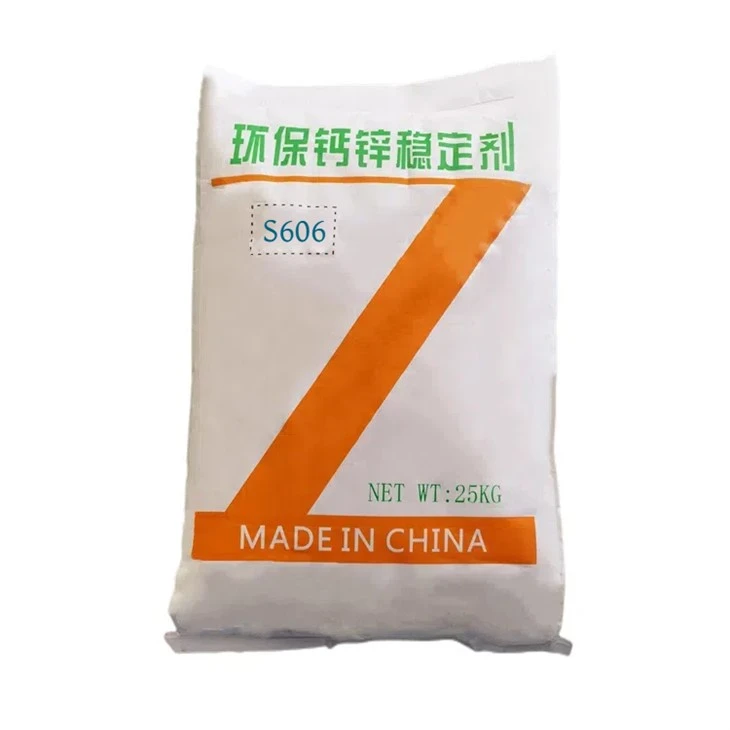
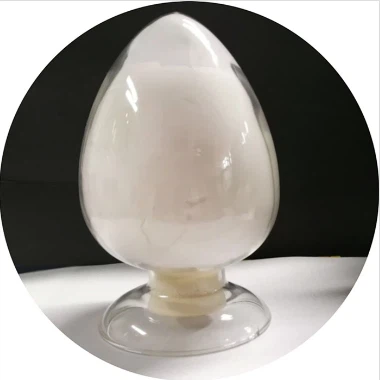
On the other hand, PVC Ca Zn stabilizers are non - toxic. They're a much greener option, which is a huge plus in today's environmentally - conscious world. They're also compliant with most international environmental regulations. So, if you're in an industry that needs to meet strict environmental standards, like food packaging or toys, PVC Ca Zn stabilizers are the way to go. Check out our PVC Stabilizer For Artificial Leather Materials which is a great example of a non - toxic application.
Organotin Stabilizers
Organotin stabilizers are known for their excellent heat and light stability. They're often used in high - performance PVC applications, like clear films and bottles. They can give PVC a high level of clarity and transparency, which is really important in some products. But they also have some issues. They're quite expensive, and some types of organotin stabilizers can have a negative impact on the environment.
PVC Ca Zn stabilizers, while they might not offer the same level of clarity as organotin stabilizers in all cases, are much more affordable. They can still provide good heat and light stability for a wide range of applications. For example, our SPC Floor Composite Material Additives use PVC Ca Zn stabilizers to ensure good stability during the manufacturing process and long - term use of the floors.
Ba Zn Stabilizers
Ba Zn stabilizers are another alternative. They're a good choice for some soft PVC applications, like vinyl flooring and artificial leather. They offer moderate heat stability and are relatively inexpensive. But they don't have the same level of long - term stability as PVC Ca Zn stabilizers. Ba Zn stabilizers can also have some compatibility issues with certain PVC formulations.
PVC Ca Zn stabilizers, however, have better long - term stability. They can maintain the performance of PVC over a longer period, even under harsh conditions. Our Soft Sole Stabilizer uses PVC Ca Zn stabilizers to ensure that the soft soles maintain their flexibility and durability over time.
Advantages of PVC Ca Zn Stabilizers
Let's take a closer look at some of the unique advantages of PVC Ca Zn stabilizers.
Good Initial Color Stability
When PVC is being processed, it can start to change color if it's not properly stabilized. PVC Ca Zn stabilizers do a great job of maintaining the initial color of the PVC. This is really important in applications where the appearance of the final product matters, like in consumer goods or decorative items.
Excellent Lubrication Properties
They have good lubrication properties, which means that during the processing of PVC, there's less friction. This can lead to a smoother production process, less wear and tear on the processing equipment, and better surface finish of the final product.
Compatibility
PVC Ca Zn stabilizers are highly compatible with a wide range of PVC formulations. This means that they can be easily incorporated into different types of PVC products without causing any compatibility issues. Whether you're making rigid PVC pipes or soft PVC films, PVC Ca Zn stabilizers can work well.
Applications of PVC Ca Zn Stabilizers
PVC Ca Zn stabilizers are used in a variety of applications. Here are some of the most common ones:
Building and Construction
In the building and construction industry, PVC Ca Zn stabilizers are used in products like window profiles, pipes, and siding. They provide the necessary heat and weather resistance to ensure that these products last a long time.
Consumer Goods
For consumer goods such as toys, food packaging, and household items, the non - toxicity of PVC Ca Zn stabilizers is a major advantage. They ensure that these products are safe for use by consumers.
Automotive
In the automotive industry, PVC Ca Zn stabilizers are used in interior parts like dashboard covers and seat covers. They help these parts withstand the heat and sunlight inside the car without degrading.
Conclusion
In conclusion, PVC Ca Zn stabilizers offer a great alternative to other types of stabilizers. They're non - toxic, environmentally friendly, and have excellent performance characteristics. Whether you're looking for a stabilizer for a specific application or just want to make your PVC products more sustainable, PVC Ca Zn stabilizers are definitely worth considering.
If you're interested in learning more about our PVC Ca Zn stabilizers or are looking to start a procurement process, don't hesitate to reach out. We're here to answer all your questions and help you find the best stabilizer solution for your needs.
References
- "Handbook of PVC Formulating" by Edward J. Wickson
- "Plastic Additives: An A - Z Reference" by Geoffrey Pritchard