

Hey there! As a supplier of PVC Pipe ACR Processing Aid, I often get asked about the proper storage conditions for this product. So, I thought I'd share some insights on this topic to help you keep your ACR processing aid in top - notch condition.
First off, let's understand what PVC Pipe ACR Processing Aid is. ACR (Acrylic Copolymer Resin) processing aids are used in PVC pipe manufacturing to improve the processing performance of PVC. They can enhance the melt strength, promote fusion, and improve the surface finish of the final PVC pipes. There are different types of ACR processing aids available, like PVC Foaming Profile Acrylic Acid Additives ACR, PVC Profile Impact Modifier, and PVC Toughening Agent Modifier, each with its own unique properties and applications.
Temperature
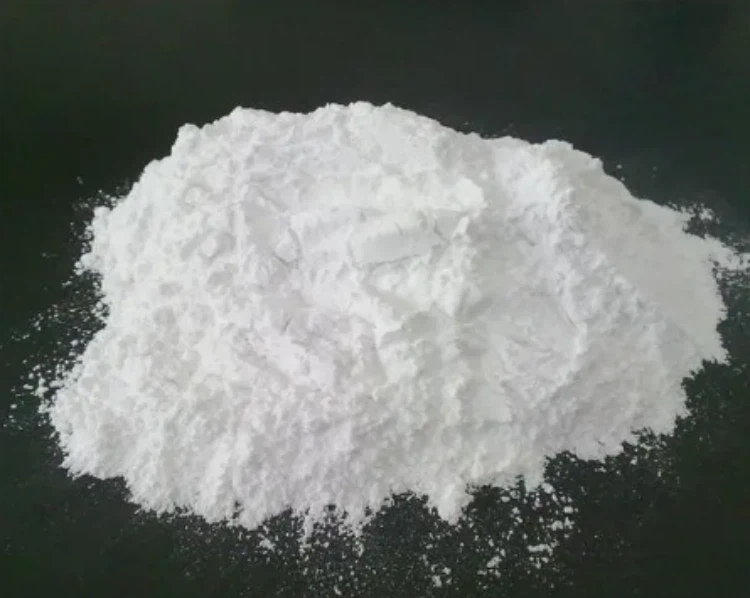
Temperature is a crucial factor when it comes to storing PVC Pipe ACR Processing Aid. These additives are usually in a powder or granular form. In general, they should be stored at a relatively stable temperature.
For most ACR processing aids, the ideal storage temperature range is between 10°C and 30°C (50°F - 86°F). If the temperature is too low, say below 10°C, the powder might become more compact, and it could be a bit more difficult to handle. The low - temperature environment might also cause some of the components in the ACR to crystallize or change their physical state, which could affect their performance when added to the PVC processing.
On the other hand, if the temperature is too high, above 30°C, there's a risk of the ACR starting to degrade. High temperatures can accelerate chemical reactions within the ACR, leading to a change in its molecular structure. This can result in a loss of its processing - enhancing properties, such as reduced melt strength improvement or less effective fusion promotion in the PVC pipes.
So, it's important to store the ACR processing aid in a place where the temperature can be controlled. A warehouse with proper insulation and climate - control systems is a great option. If you don't have access to a climate - controlled warehouse, at least try to keep the storage area away from direct sunlight and sources of heat, like furnaces or heaters.
Humidity
Humidity is another big deal when storing PVC Pipe ACR Processing Aid. ACR is hygroscopic, which means it can absorb moisture from the air. When ACR absorbs too much moisture, several problems can occur.
Excessive moisture can cause the ACR powder or granules to clump together. These clumps are not only difficult to break up but can also lead to uneven distribution when added to the PVC compound. This uneven distribution can result in inconsistent properties in the final PVC pipes, such as variations in strength or surface quality.
The recommended relative humidity for storing ACR processing aid is below 60%. To achieve this, you can use dehumidifiers in the storage area. Also, make sure the storage containers are properly sealed. If the ACR is stored in bags, ensure the bags are tightly closed, and if it's in drums, the lids should be securely fastened.
Light
Light, especially ultraviolet (UV) light, can have a negative impact on PVC Pipe ACR Processing Aid. UV light can cause photo - degradation of the ACR. This means that the UV rays can break down the chemical bonds in the ACR, altering its structure and reducing its effectiveness as a processing aid.
To protect the ACR from light, it should be stored in opaque containers or in a dark storage area. If the storage area has windows, use blinds or curtains to block out sunlight. And if you're transporting the ACR, make sure the shipping containers are also light - resistant.
Storage Containers
The choice of storage containers is also important. As mentioned earlier, the containers should be able to keep out moisture and light.
For small - scale storage, plastic bags with good sealing properties can be used. However, for larger quantities, drums or bulk storage silos are more appropriate. Drums should be made of materials that are resistant to corrosion and can prevent the entry of air and moisture.
If you're using bulk storage silos, they need to be regularly inspected for any signs of damage or leakage. Also, make sure there are proper ventilation systems in the silos to prevent the build - up of static electricity, which could potentially cause a fire hazard when handling the ACR powder.
Shelf Life
PVC Pipe ACR Processing Aid has a limited shelf life. Under proper storage conditions (correct temperature, humidity, and light protection), most ACR processing aids can be stored for about 12 to 18 months.
After this period, the performance of the ACR might start to decline. So, it's a good practice to implement a first - in, first - out (FIFO) inventory management system. This means using the oldest stock of ACR processing aid first to ensure that you're always using the product within its optimal shelf life.

Contamination
Contamination is something that can easily happen but should be avoided at all costs. ACR processing aid should be stored away from other chemicals, especially those that could react with it. For example, strong acids or alkalis can react with the ACR and change its properties.
Also, make sure the storage area is clean and free from dust and debris. When handling the ACR, use clean tools and equipment to prevent any foreign particles from getting into the product.
In summary, proper storage of PVC Pipe ACR Processing Aid is essential to maintain its quality and effectiveness. By controlling the temperature, humidity, light exposure, and preventing contamination, you can ensure that the ACR performs as expected when used in PVC pipe manufacturing.
If you're in the market for high - quality PVC Pipe ACR Processing Aid or have any questions about storage or application, don't hesitate to reach out. We're here to help you get the best results in your PVC pipe production.
References
- Polymer Processing Handbook, edited by Z. Tadmor and C. G. Gogos
- Plastics Additives: An A - Z Reference by Geoffrey Pritchard