

Hey there! As a supplier of PVC foam pipe foaming agents, I've been getting a lot of questions lately about how these agents affect the fire - resistance of pipes. So, I thought I'd sit down and write this blog to share some insights on the topic.
First off, let's talk about what PVC foam pipes are. PVC, or polyvinyl chloride, is a widely used plastic material. PVC foam pipes are made by adding a foaming agent to the PVC resin during the manufacturing process. This creates a cellular structure within the pipe, which has several benefits like reduced weight, improved insulation properties, and cost - effectiveness.
Now, when it comes to fire - resistance, it's a crucial factor, especially in applications where the pipes are used in buildings, industrial settings, or anywhere where fire safety is a concern. So, how does the foaming agent play into this?

The Basics of Fire - Resistance in PVC Pipes
PVC itself has some inherent fire - resistant properties. It has a relatively high ignition temperature and releases less heat when burning compared to some other plastics. However, the addition of a foaming agent can change these characteristics.
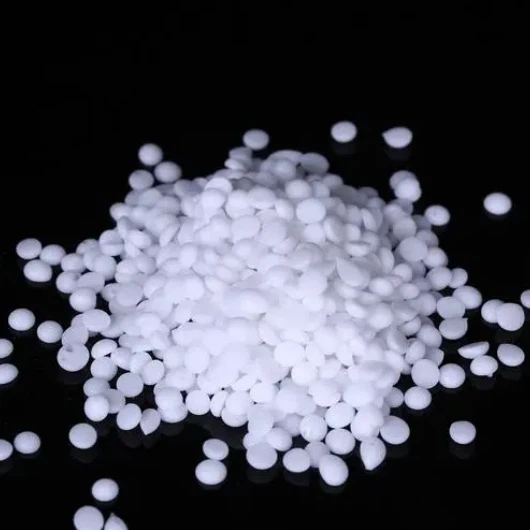
The foaming agent works by decomposing at a certain temperature during the extrusion process of the PVC pipe. This decomposition releases gas, which forms the bubbles or cells in the foam structure. But this process can also have an impact on the fire - resistance of the final product.
Positive Effects of Foaming Agents on Fire - Resistance
One of the potential positive effects of a well - chosen foaming agent is the creation of a more insulating structure. The cellular structure formed by the foaming agent can act as a barrier to heat transfer. When a fire occurs, this insulation can slow down the rate at which the heat reaches the inner parts of the pipe and the surrounding environment.
Some advanced foaming agents can also release substances during decomposition that can help suppress the fire. For example, certain foaming agents may release non - flammable gases like carbon dioxide or nitrogen. These gases can dilute the oxygen around the fire, making it more difficult for the fire to spread and sustain itself.
Negative Effects of Foaming Agents on Fire - Resistance
On the flip side, there are also some potential negative effects. If the foaming agent decomposes too easily or at a relatively low temperature, it can start to break down before the PVC itself reaches its ignition point. This can lead to the release of flammable gases or volatile organic compounds (VOCs), which can actually fuel the fire.
Moreover, the foaming process can sometimes create a more porous structure in the pipe. A porous pipe may allow oxygen to penetrate more easily, which can increase the combustibility of the PVC. If the cells in the foam are too large or interconnected, it can create channels for oxygen and flames to spread more rapidly through the pipe.
Choosing the Right Foaming Agent for Fire - Resistant PVC Pipes
As a supplier, I know how important it is to choose the right foaming agent. There are several factors to consider:
Decomposition Temperature
The decomposition temperature of the foaming agent should be carefully matched with the processing temperature of the PVC and the expected service temperature of the pipe. A foaming agent that decomposes at the right temperature will ensure proper foaming without compromising the fire - resistance.
Gas Release
The type of gas released during decomposition is crucial. As mentioned earlier, non - flammable gases are preferred. We need to look for foaming agents that release gases like carbon dioxide or nitrogen rather than flammable ones.
Compatibility with PVC
The foaming agent should be fully compatible with the PVC resin. Incompatible agents can lead to poor foaming quality and may also affect the overall properties of the pipe, including its fire - resistance.
Our Product Range
We offer a variety of PVC foam pipe foaming agents that are designed to balance the foaming performance and fire - resistance. In addition to our PVC foam pipe foaming agents, we also have other great products in our catalog. Check out our Foaming Agent For PP Board, which is ideal for creating high - quality PP boards with excellent foaming effects. Our ABS Injection Moulding Masterbatch is perfect for those involved in ABS injection moulding processes. And if you're looking for an environmentally friendly option, our Environmental Friendly PP Foaming Masterbatch is a great choice.
Case Studies
Let's take a look at some real - world examples. In a recent project, a construction company was using our PVC foam pipe foaming agent for a building's plumbing system. The pipes were tested in a fire - safety simulation, and the results were quite impressive. The pipes showed a significantly lower rate of heat transfer compared to non - foamed PVC pipes. The cellular structure created by our foaming agent acted as an effective insulation layer, delaying the spread of fire and heat.
In another case, a factory was using PVC foam pipes in an industrial setting. They initially had issues with fire - safety because the foaming agent they were using was releasing flammable gases at a relatively low temperature. After switching to our foaming agent, the fire - resistance of the pipes improved significantly. The new agent released non - flammable gases and created a more stable foam structure, reducing the risk of fire spread.
Conclusion
In conclusion, the effect of a PVC foam pipe foaming agent on the fire - resistance of pipes can be both positive and negative. It all comes down to choosing the right foaming agent. As a supplier, we're committed to providing high - quality foaming agents that not only ensure excellent foaming performance but also enhance the fire - resistance of PVC pipes.
If you're in the market for PVC foam pipe foaming agents or any of our other products, I'd love to have a chat with you. Whether you're a manufacturer looking to improve your product's fire - safety or a contractor in need of reliable pipes, we can help. Don't hesitate to reach out for more information or to start a procurement discussion.
References
- ASTM International. (20XX). Standard test methods for fire - related testing of plastics.
- Plastics Industry Association. (20XX). Technical guide to PVC pipe manufacturing.