

Hey there! As a supplier of PVC stabilizers, I've been getting a lot of questions lately about how these stabilizers affect the impact resistance of PVC. So, I thought I'd take a deep dive into this topic and share what I've learned.
First off, let's quickly understand what PVC is and why impact resistance matters. PVC, or polyvinyl chloride, is a widely used plastic known for its versatility. It's used in everything from pipes and window frames to flooring and packaging. Impact resistance is crucial because it determines how well PVC can withstand sudden forces without cracking or breaking. This is especially important in applications where the PVC products might be subject to physical stress, like outdoor furniture or automotive parts.
Now, let's talk about PVC stabilizers. These are additives that are mixed with PVC resin during the manufacturing process. Their main job is to prevent the degradation of PVC when it's exposed to heat, light, and other environmental factors. But they also have a significant impact on the mechanical properties of PVC, including its impact resistance.
One of the key ways PVC stabilizers affect impact resistance is by improving the thermal stability of PVC. When PVC is heated during processing, it can start to break down, which can lead to a decrease in its mechanical strength. Stabilizers help to prevent this breakdown by neutralizing the hydrochloric acid that's released during the degradation process. This means that the PVC retains its molecular structure and, as a result, its impact resistance.
Another way stabilizers enhance impact resistance is by modifying the morphology of the PVC. Some stabilizers can promote the formation of a more uniform and fine-grained structure in the PVC matrix. This fine-grained structure can absorb and distribute impact energy more effectively, reducing the likelihood of cracks forming. For example, certain metal-based stabilizers can act as nucleating agents, which encourage the growth of small, evenly spaced crystals in the PVC. These crystals can act as barriers to crack propagation, making the PVC more resistant to impact.
There are different types of PVC stabilizers, and each type can have a different effect on impact resistance. Let's take a look at some of the most common types:
1. Lead-based stabilizers
Lead-based stabilizers have been used in the PVC industry for a long time. They're known for their excellent thermal stability and good impact resistance. The lead compounds in these stabilizers can react with the hydrochloric acid released during PVC degradation, forming a protective layer on the surface of the PVC. This layer helps to prevent further degradation and also improves the impact strength of the material. However, due to environmental and health concerns, the use of lead-based stabilizers is being phased out in many countries.
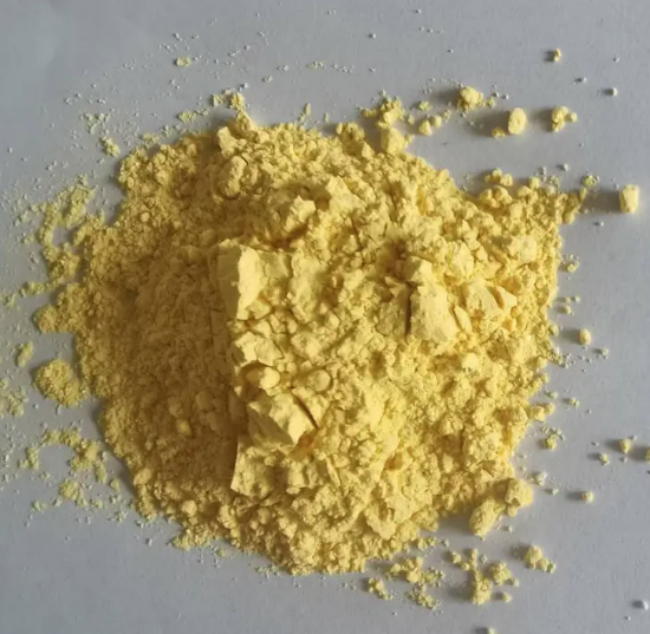

2. Calcium-zinc (Ca-Zn) stabilizers
Ca-Zn stabilizers are a more environmentally friendly alternative to lead-based stabilizers. They work by scavenging the hydrochloric acid and preventing the degradation of PVC. In terms of impact resistance, Ca-Zn stabilizers can provide good results, especially when used in combination with other additives. They can also improve the transparency of PVC, which is an added bonus in applications where appearance is important.
3. Organotin stabilizers
Organotin stabilizers are highly effective in providing thermal stability and impact resistance to PVC. They can react with the PVC molecules at a molecular level, forming strong bonds that help to maintain the integrity of the material. Organotin stabilizers are often used in high-performance PVC applications, such as medical devices and food packaging, where strict quality and safety standards are required.
4. Mixed metal stabilizers
Mixed metal stabilizers are a combination of different metal compounds, such as barium, cadmium, and zinc. They offer a balance of properties, including good impact resistance, thermal stability, and cost-effectiveness. However, like lead-based stabilizers, some mixed metal stabilizers contain heavy metals that can be harmful to the environment and human health.
When choosing a PVC stabilizer for a specific application, it's important to consider the desired level of impact resistance, as well as other factors like processing conditions, cost, and environmental regulations. For example, if you're making PVC pipes that will be used in a high-impact environment, you might want to choose a stabilizer that provides excellent impact resistance, such as an organotin stabilizer. On the other hand, if you're making PVC flooring for a residential area, a Ca-Zn stabilizer might be a more suitable choice due to its environmental friendliness and good impact performance.
In addition to the type of stabilizer, the amount of stabilizer used can also affect the impact resistance of PVC. Generally, increasing the amount of stabilizer can improve the thermal stability and impact resistance of PVC up to a certain point. However, using too much stabilizer can have a negative effect on the mechanical properties of PVC, such as reducing its flexibility and increasing its brittleness. So, it's important to find the right balance.
It's also worth noting that other additives can interact with PVC stabilizers and affect the impact resistance of the final product. For example, impact modifiers are often added to PVC to further improve its impact strength. These modifiers can work in conjunction with stabilizers to enhance the overall performance of the PVC. Some common impact modifiers include acrylonitrile-butadiene-styrene (ABS), chlorinated polyethylene (CPE), and methyl methacrylate-butadiene-styrene (MBS).
As a PVC stabilizer supplier, I've seen firsthand how the right choice of stabilizer can make a big difference in the quality and performance of PVC products. That's why I'm always happy to work with my customers to understand their specific needs and recommend the best stabilizer solutions. Whether you're looking for a stabilizer that offers high impact resistance, environmental friendliness, or a combination of both, I can help you find the perfect fit.
If you're in the market for PVC stabilizers and want to learn more about how they can improve the impact resistance of your PVC products, I'd love to hear from you. You can reach out to me to discuss your requirements and get a free sample of our high-quality PVC stabilizers. And if you're also interested in PVC coating foaming agents, you can check out our PVC Coating Foaming Agent page for more information.
In conclusion, PVC stabilizers play a crucial role in enhancing the impact resistance of PVC. By improving thermal stability, modifying the morphology of the PVC, and working in conjunction with other additives, stabilizers can help to create PVC products that are more durable and reliable. So, if you're looking to take your PVC products to the next level, don't underestimate the power of a good stabilizer.
References
- "PVC Technology" by W. V. Titow
- "Handbook of PVC Formulating" by Edward J. Wickson