

Hey there! If you're in the plastics and rubber industry, you've probably heard of NC foaming agents. As a supplier of these agents, I often get asked one burning question: "Is NC foaming agent biodegradable?" Let's dig into this topic and find out.
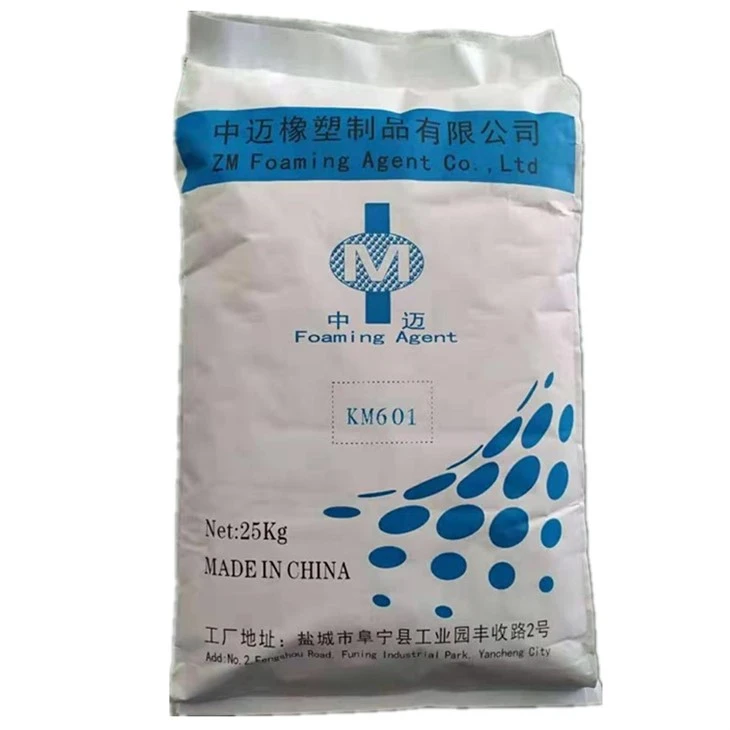
First off, let's understand what NC foaming agents are. NC foaming agents are widely used in the manufacturing of plastics and rubber products. They're super useful for creating lightweight, porous materials with improved insulation, shock - absorption, and other properties. You can check out some of our related products like ABS Injection Moulding Masterbatch and Particle Blowing Agent For PP Products.
Now, back to the big question: biodegradability. Biodegradability refers to the ability of a substance to be broken down by natural organisms such as bacteria, fungi, and other microorganisms. When a material is biodegradable, it can return to nature in a relatively short period without causing long - term pollution.
NC foaming agents typically contain chemical compounds that are designed to decompose at specific temperatures to release gases, which create the foaming effect. The most common type of NC foaming agents are organic compounds. Whether they're biodegradable depends on their chemical structure.
Some of the traditional NC foaming agents are not very biodegradable. These agents often have complex chemical structures that are difficult for microorganisms to break down. For example, some azodicarbonamide - based NC foaming agents, which are widely used in the industry, have a stable chemical structure. Microorganisms in the environment don't have the necessary enzymes to quickly break down these compounds into simpler substances. As a result, these agents can persist in the environment for a long time if they end up in landfills or natural water bodies.
However, the industry is evolving. There's a growing demand for environmentally - friendly products, and we've seen the development of more biodegradable NC foaming agents. These new - generation agents are formulated with more natural and easily - degradable raw materials. For instance, some manufacturers are using plant - based polymers or other renewable resources as the base for their foaming agents. These materials are more likely to be recognized and broken down by microorganisms in the environment.
Our company has also been keeping up with this trend. We offer Non - ammonia Foaming Agent, which is not only ammonia - free but also has a better chance of being biodegradable compared to some traditional agents. This type of agent is designed to meet the needs of customers who are more environmentally conscious.
When it comes to the biodegradation process of NC foaming agents, it can be affected by many factors. Temperature, humidity, and the presence of specific microorganisms all play a role. In a warm and moist environment with a rich microbial population, the biodegradation process may be faster. On the other hand, in a cold and dry environment, the process can be significantly slowed down.
Let's talk about the benefits of using biodegradable NC foaming agents. From an environmental perspective, using biodegradable agents reduces the long - term environmental impact. When products made with these agents reach the end of their life cycle, they can be more easily integrated back into the natural ecosystem. This helps to reduce the amount of waste in landfills and the pollution of natural resources.
From a business perspective, offering biodegradable products can also give companies a competitive edge. More and more consumers are willing to pay a premium for environmentally - friendly products. By using biodegradable NC foaming agents, manufacturers can market their products as "green" and attract a larger customer base.
But there are also some challenges in promoting biodegradable NC foaming agents. One of the main challenges is cost. The production of biodegradable agents often requires more expensive raw materials and more complex manufacturing processes. This can lead to higher product prices, which may make some customers hesitant to switch from traditional agents.
Another challenge is performance. Some biodegradable agents may not perform as well as traditional ones in certain applications. For example, they may have a narrower temperature range for foaming or produce a less uniform foam structure. However, as research and development continue, these issues are gradually being addressed.
So, to sum it up, while some traditional NC foaming agents are not biodegradable, there are now more and more biodegradable options available in the market. As a supplier, we're committed to providing products that balance performance and environmental friendliness.
If you're in the market for NC foaming agents and are concerned about biodegradability, we'd love to have a chat with you. We can discuss the different types of agents we offer, their performance characteristics, and their environmental impact. Whether you're looking for a high - performance traditional agent or a more environmentally - friendly option, we have the expertise and products to meet your needs.
If you're interested in learning more about our NC foaming agents or want to start a procurement discussion, don't hesitate to reach out. We're here to help you make the best choice for your business and the environment.
References

- "Handbook of Polymer Foams and Technology" by Daniel Klempner and Klaus C. Frisch
- "Environmental Impact of Chemical Additives in Plastics" by various industry research reports