

White foaming agents are widely used in various industries, from the production of PVC products to the manufacturing of personal care items. As a supplier of white foaming agents, I often encounter questions from customers regarding their safety, particularly whether they cause skin irritation. In this blog post, I will delve into the science behind white foaming agents and explore whether they pose a risk to the skin.
What Are White Foaming Agents?
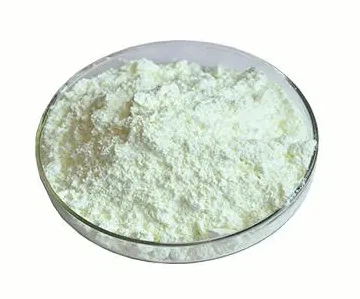
White foaming agents are substances that, when mixed with a liquid, produce a foam. They work by reducing the surface tension of the liquid, allowing air to be trapped within it and form bubbles. These agents can be found in a variety of products, including cleaning solutions, shampoos, body washes, and industrial foaming applications.
There are different types of white foaming agents, each with its own chemical composition and properties. Some of the most common types include anionic, cationic, non - ionic, and amphoteric surfactants. Anionic surfactants, such as sodium lauryl sulfate (SLS) and sodium laureth sulfate (SLES), are widely used due to their excellent foaming and cleaning properties. Cationic surfactants are often used in fabric softeners and hair conditioners, while non - ionic surfactants are found in milder, more gentle products. Amphoteric surfactants have both positive and negative charges and are known for their low irritation potential.
The Mechanism of Skin Irritation
Skin irritation can occur when a substance comes into contact with the skin and disrupts its normal function. The skin has a protective barrier called the stratum corneum, which consists of dead skin cells and lipids. When this barrier is damaged, the skin becomes more vulnerable to moisture loss, inflammation, and the entry of harmful substances.
Chemical irritants can cause skin irritation in several ways. They can disrupt the lipid layer of the stratum corneum, leading to increased water loss and dryness. Some chemicals can also activate the immune system, triggering an inflammatory response. Symptoms of skin irritation can range from mild redness and itching to more severe reactions such as blistering and swelling.
Can White Foaming Agents Cause Skin Irritation?
The answer to whether white foaming agents cause skin irritation is not straightforward. It depends on several factors, including the type of foaming agent, its concentration, the duration of exposure, and the individual's skin sensitivity.
Anionic Surfactants: Anionic surfactants like SLS and SLES are powerful cleaning and foaming agents. However, they have been associated with skin irritation, especially in high concentrations or for individuals with sensitive skin. These surfactants can strip the skin of its natural oils, leading to dryness, itching, and redness. In some cases, prolonged exposure to high - strength SLS or SLES can cause contact dermatitis, a type of skin inflammation.
Non - Ionic and Amphoteric Surfactants: Non - ionic and amphoteric surfactants are generally considered to be milder and less likely to cause skin irritation. Non - ionic surfactants have a lower charge density, which makes them less likely to interact with the skin's proteins and disrupt the lipid barrier. Amphoteric surfactants can adjust their charge according to the pH of the environment, which allows them to be compatible with the skin's natural pH and reduces the risk of irritation.

Concentration and Exposure: Even mild foaming agents can cause irritation if used in high concentrations or for extended periods. For example, a product with a high concentration of a non - ionic surfactant may still cause skin problems if a person uses it every day for a long time. On the other hand, a small amount of a potentially irritating anionic surfactant in a well - formulated product may not cause any issues.
Assessing the Safety of White Foaming Agents
To ensure the safety of white foaming agents, manufacturers conduct a series of tests. These tests include in vitro studies, which are performed on cell cultures, and in vivo studies, which involve testing on human subjects or animals (although animal testing is becoming less common due to ethical concerns).
In vitro tests can measure the cytotoxicity of a foaming agent, which is its ability to damage cells. These tests can also assess the effect of the agent on the skin's barrier function. In vivo studies, such as patch tests, involve applying a small amount of the product to the skin of human volunteers and monitoring for any signs of irritation over a period of time.
Regulatory agencies around the world, such as the U.S. Food and Drug Administration (FDA) and the European Union's Cosmetics Regulation, set limits on the use of potentially irritating substances in consumer products. Manufacturers must comply with these regulations to ensure the safety of their products.
Our Approach as a White Foaming Agent Supplier
As a supplier of white foaming agents, we are committed to providing safe and high - quality products. We offer a range of foaming agents, including PVC Foam Pipe Foaming Agent, PVC Frame Foaming Agent, and Non - ammonia Foaming Agent.
We work closely with our customers to understand their specific needs and recommend the most suitable foaming agents for their applications. For customers in the personal care industry, we offer mild and gentle foaming agents that are less likely to cause skin irritation. These agents are carefully formulated and tested to meet the highest safety standards.
In the industrial sector, we provide foaming agents that are optimized for performance while also considering safety. Our PVC Foam Pipe Foaming Agent and PVC Frame Foaming Agent are designed to produce high - quality foam in PVC products without posing a significant risk to the health of workers or end - users.
How to Minimize the Risk of Skin Irritation
If you are using products containing white foaming agents, there are several steps you can take to minimize the risk of skin irritation:
- Choose Mild Products: Look for products that are labeled as "mild," "gentle," or "for sensitive skin." These products are likely to contain less irritating foaming agents.
- Read the Label: Check the ingredient list for potentially irritating substances such as SLS and SLES. If you have sensitive skin, you may want to avoid products that contain these ingredients in high concentrations.
- Limit Exposure: Avoid using products with foaming agents for extended periods or in high concentrations. Follow the instructions on the product label and use the recommended amount.
- Moisturize: After using products with foaming agents, apply a moisturizer to help restore the skin's natural barrier and prevent dryness.
Conclusion
White foaming agents can cause skin irritation, but the risk depends on various factors. By understanding the different types of foaming agents, their properties, and how they interact with the skin, consumers can make informed choices about the products they use. As a supplier, we are dedicated to providing safe and effective foaming agents that meet the diverse needs of our customers.
If you are interested in purchasing white foaming agents for your business, we invite you to contact us for more information and to discuss your specific requirements. We look forward to working with you to find the best foaming solutions for your applications.
References
- Basketter, D. A., & Scholes, E. W. (1992). The evaluation of skin irritancy: a review. Contact Dermatitis, 27(5), 241 - 248.
- Berardesca, E., & Maibach, H. I. (Eds.). (2005). Textbook of cosmetic dermatology. Taylor & Francis.
- Nohynek, G. J., Dufour, E., & Roberts, D. W. (2010). A review of the skin sensitization potential of surfactants. Food and Chemical Toxicology, 48(7), 1930 - 1942.